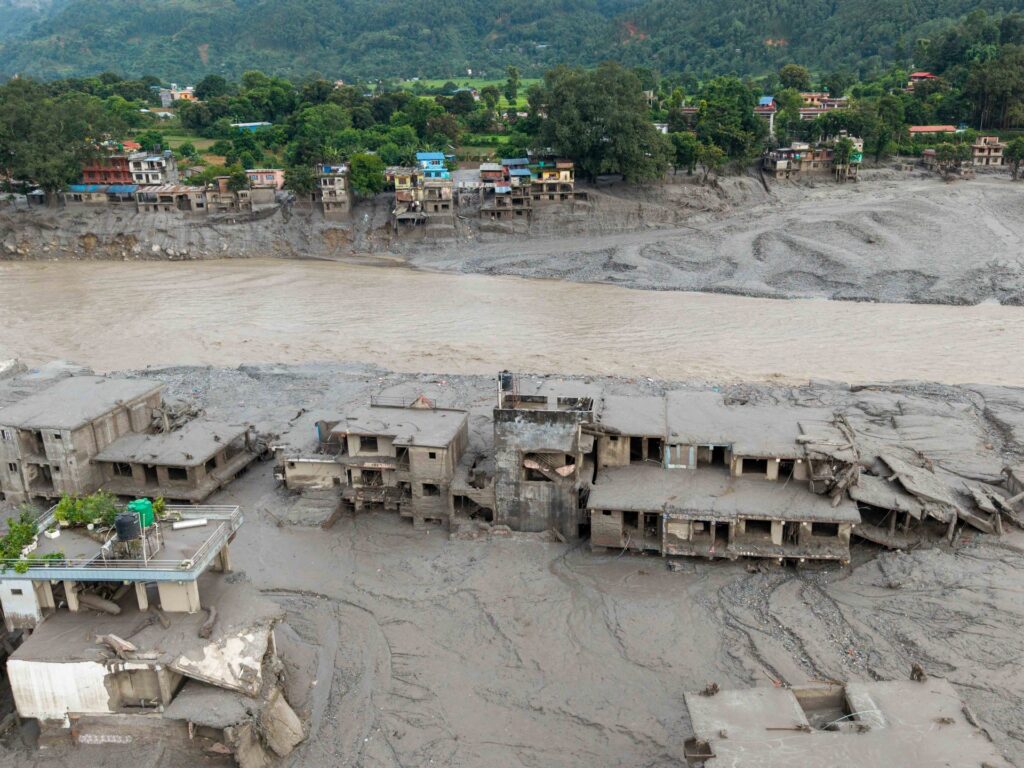
Tragedy has struck again near the border between Nepal and Tibet, where devastating flash floods have wreaked havoc, resulting in over 160 confirmed deaths and around 1,400 people still reported missing. Rescue teams are urgently continuing their operations as they race against time to find survivors amid the chaotic aftermath.
The floods, triggered by intense and sudden downpours, swept through the vulnerable mountainous regions, washing away homes, infrastructure, and entire communities along the border. The swift waters have not only caused loss of life but also left thousands displaced, struggling to find shelter and access essential resources.
Authorities from both Nepal and China have mobilized emergency response units, deploying hundreds of rescuers equipped with boats, helicopters, and medical supplies. These efforts focus on searching submerged areas, reaching isolated villages, and evacuating survivors to safer locations.
Local residents recount the terrifying moments when the torrents hit unexpectedly, leaving little time to escape. The geography of the region, characterized by steep slopes and narrow valleys, worsened the disaster’s impact as debris and water flowed rapidly downhill.
International humanitarian organizations have stepped in with aid and support. Relief packages including food, clean water, clothes, and medical aid are being distributed at key relief camps established nearby.
Meanwhile, meteorologists are closely monitoring the weather patterns to issue timely warnings to prevent further casualties. Authorities have urged communities living along the flood-prone zones to be vigilant and cooperate with ongoing relief operations.
The scale of this catastrophe has prompted calls for improving disaster preparedness and infrastructure resilience, especially in mountainous border areas susceptible to extreme weather events.
Despite the somber scenario, rescue teams remain determined, working tirelessly through challenging terrain and adverse conditions. Each recovered missing person brings hope amid the sorrow.
As the floodwaters recede gradually, attention is also turning to rebuilding and rehabilitation efforts. Government officials and non-governmental organizations are coordinating plans for long-term recovery, aiming to restore normalcy and enhance community safety against future floods.
This disaster serves as a grim reminder of the increasing vulnerability to climate-related calamities in the Himalayan region, underscoring the need for collective action and regional cooperation.
The ongoing rescue operations, alongside international support, highlight the resilience and solidarity in the face of one of the most severe natural disasters to hit the Nepal-Tibet border area in recent years.