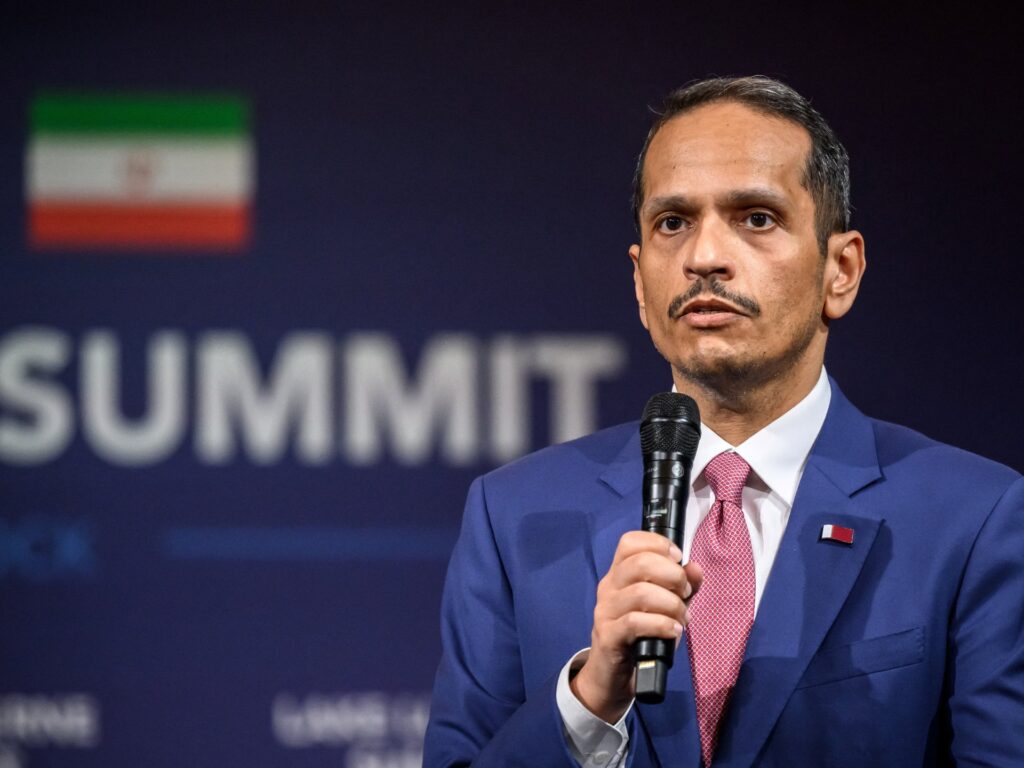
In a significant diplomatic move, Qatar’s Prime Minister Sheikh Mohammed is set to visit Tehran in an effort to revive stalled negotiations between the United States and Iran. This visit comes as the conflict and tensions involving the US and Israel concerning Iran approach the six-month mark without any substantial diplomatic progress.
The ongoing standoff has seen no breakthrough despite numerous attempts at dialogue, raising concerns over prolonged instability in the region. Qatar’s active engagement signals a push from regional players to broker peace and facilitate dialogue between the two adversaries.
Sheikh Mohammed’s trip to Tehran underscores Qatar’s growing role in Middle Eastern diplomacy, often acting as a mediator in conflicts due to its neutral stance and strong ties across diverse political landscapes.
Since the US withdrawal from the Iran nuclear deal and the subsequent escalations involving Israel’s concerns over Iran’s nuclear ambitions, relations have remained strained. The lack of diplomatic progress has intensified fears of a wider conflict, which regional and global powers are keen to prevent.
Qatar’s initiative aims to break the diplomatic deadlock by encouraging renewed talks that could potentially lead to de-escalation and resolution. The prime minister’s engagement with Iranian officials is expected to focus on creating a framework for dialogue that includes not only Tehran and Washington but also other significant stakeholders in the region.
This diplomatic effort holds importance against the backdrop of ongoing military tensions and economic sanctions affecting the region. A successful dialogue could pave the way for easing sanctions, improving economic conditions, and stabilizing the geopolitical climate.
Observers note that Qatar’s approach is pragmatic, leveraging its unique position to serve as a conduit for communication where traditional diplomatic channels have faltered. The visit may also underscore broader regional dynamics where smaller but influential states seek to assert their roles as peace brokers.
As the US and Israel continue their firm stance on Iran, the international community watches closely to see if Qatar’s mediation could open new avenues for negotiation and possibly avert further escalation.
In summary, Sheikh Mohammed’s visit to Tehran represents a pivotal moment in Middle Eastern diplomacy, aiming to restart US-Iran talks amid a protracted conflict with no diplomatic solutions currently on the horizon. The outcome of this visit could potentially reshape the regional security landscape and provide hope for renewed peace efforts.