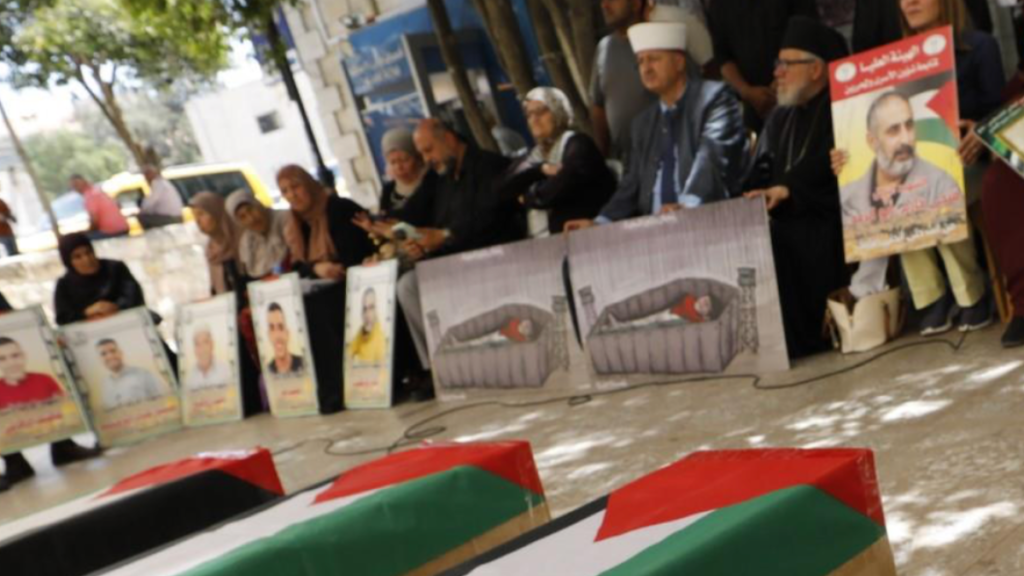
Palestinians across the occupied West Bank have been holding vigils to demand the return of approximately 1,700 Palestinian bodies currently held by Israel. These bodies, which include those of individuals killed in various conflicts and confrontations, are retained under Israeli policies that have drawn significant criticism from Palestinian communities and international observers alike.
The issue of the bodies is deeply emotional and symbolic for Palestinians, as the return of the deceased is tied to cultural, religious, and familial responsibilities. Palestinian leaders and families argue that holding these bodies is a form of collective punishment and a violation of human rights and international law. Vigils and protests have become frequent as Palestinians seek to bring global attention to what they describe as an ongoing injustice.
Israeli authorities justify the retention of the bodies on security grounds, stating that some of those deceased were involved in attacks against Israelis. However, Palestinians contend that the continued withholding of the bodies prevents proper funerals and closure for families, exacerbating grief and communal tensions.
The practice has a long history within the Israeli-Palestinian conflict, often linked to prisoner exchanges or ceasefire agreements. In some instances, bodies have been returned after diplomatic negotiations, but the current number held remains significant and unresolved.
International organizations and human rights groups have called for the immediate return of the bodies, emphasizing respect for human dignity and the importance of resolving humanitarian issues irrespective of political disputes. The ongoing vigils in the West Bank highlight the depth of Palestinian yearning for dignity, justice, and the right to honor their dead.
The retention of bodies adds another dimension to the complex and tragic conflict, underscoring the emotional and human costs experienced by communities caught in political strife. As calls for returns grow louder, the situation remains a poignant reminder of the enduring pain and challenges facing peace efforts in the region.