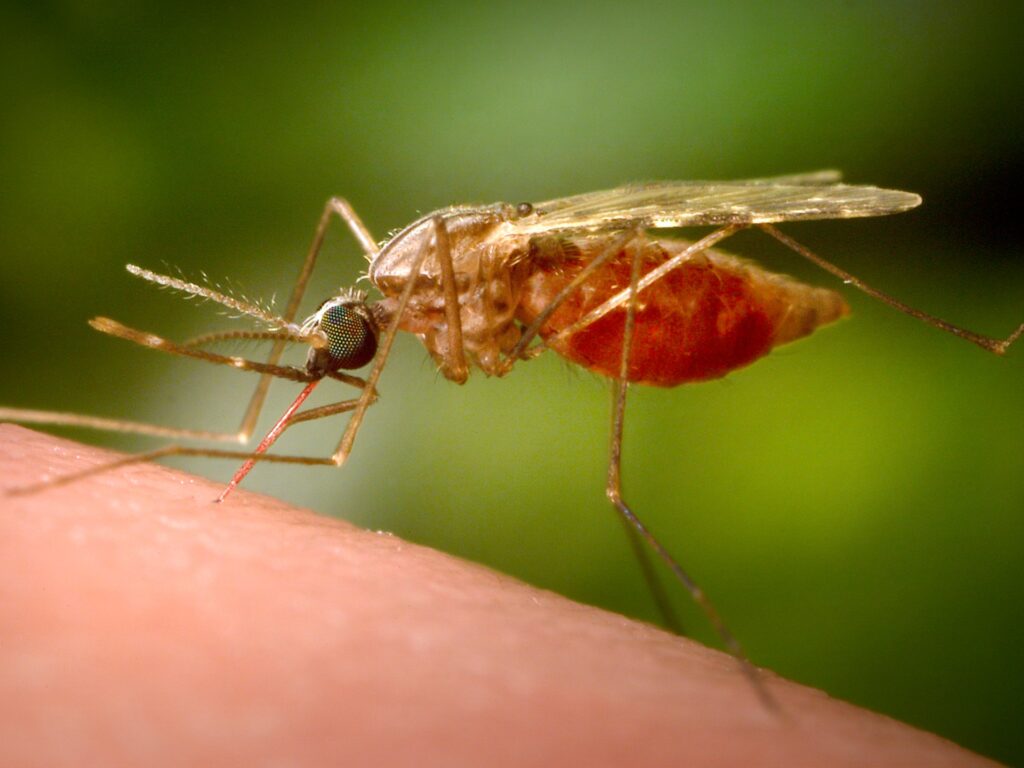
In a concerning development at one of Germany’s busiest airports, four workers have been hospitalized after contracting malaria, a disease typically associated with tropical regions. Investigations have revealed that the source of the infection was mosquitoes that hitched a ride aboard incoming planes, leading to an unusual outbreak in the temperate climate of Germany.
The affected employees work at a major German airport hub, where their roles involve close proximity to incoming international flights. The four individuals are currently receiving treatment in hospital, and health officials are closely monitoring their condition to ensure full recovery.
This incident highlights a rare but serious risk posed by vector-borne illnesses in airports that serve as global transit points. Malaria, caused by Plasmodium parasites transmitted through Anopheles mosquito bites, is uncommon in Europe, and these cases mark a significant public health concern.
Authorities responded swiftly by deploying mosquito traps around the airport to contain the spread. The airport management has also ramped up vector control measures, including insecticide spraying and enhanced screening of incoming aircraft for stowaway insects.
Experts explain that mosquitoes traveling in the luggage holds or cargo compartments of flights from endemic regions can survive the journey and potentially transmit diseases upon arrival. Prevention strategies involve international cooperation to inspect and control vectors before boarding and upon arrival.
Airport workers are being educated on how to protect themselves against mosquito bites, including the use of repellents and protective clothing, especially in areas with greenery or standing water where mosquitoes breed.
Public health authorities are also advising passengers to be vigilant about using personal protective measures during travel and to report any symptoms consistent with malaria if recently abroad.
This incident serves as a wake-up call about the interconnectedness of global travel and infectious diseases, stressing the importance of robust vector surveillance and rapid response systems at international travel hubs.
The airport continues to cooperate with the Robert Koch Institute and other health agencies to investigate the outbreak’s scope, enhance mosquito control, and prevent future cases from occurring.
While the malaria cases at the German airport are currently isolated, the situation underscores the need for ongoing vigilance to prevent mosquito-borne diseases from gaining a foothold in non-endemic regions through global air travel.
The four affected employees’ conditions are stable, and hospital officials are optimistic about their recovery. Meanwhile, enhanced biosecurity measures remain in place to protect both airport staff and travelers from similar incidents in the future.