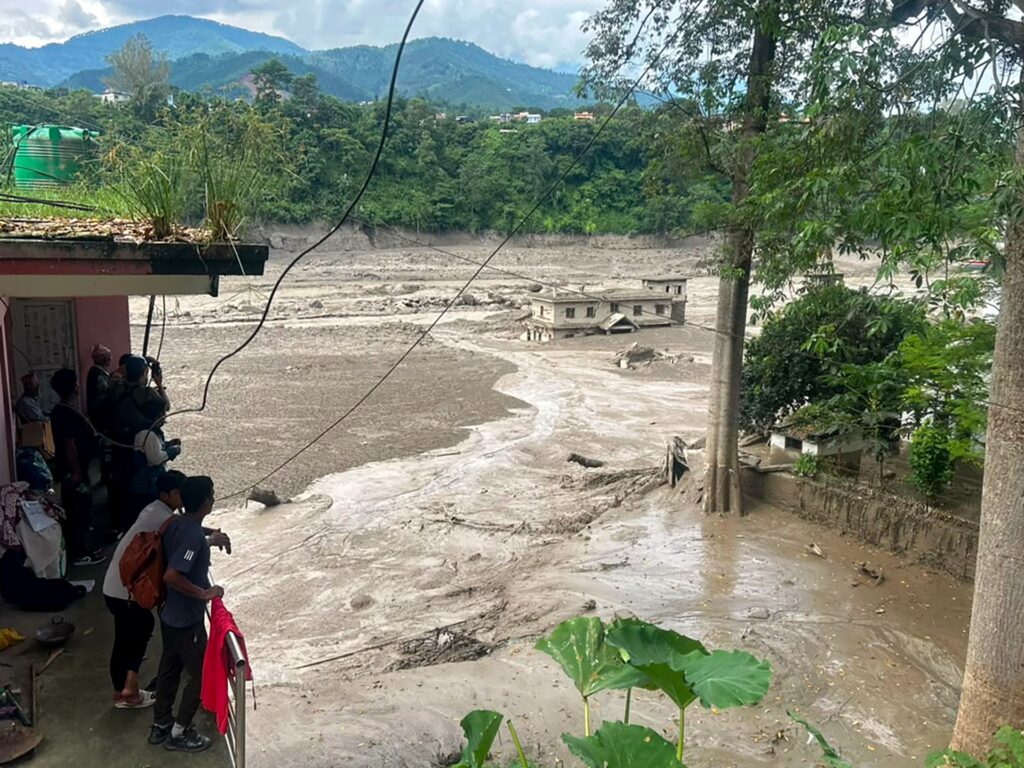
A catastrophic flash flood has caused widespread destruction along the Nepal-Tibet border, resulting in the death of more than 90 people and leaving hundreds unaccounted for. The sudden deluge struck with little warning, devastating communities and triggering extensive rescue operations in the affected regions.
The hardest hit areas in Nepal have reported significant casualties as swiftly rising waters swept through villages and towns. Emergency services are struggling to gain access to some of the hardest-to-reach zones due to damaged infrastructure and ongoing adverse weather conditions.
Across the border in Tibet, authorities have confirmed ‘major casualties’ in the neighboring Gyirong County, where numerous residents remain missing amid the chaos. Rescue teams from both Nepal and Tibet are coordinating efforts to search for survivors and provide aid, but officials warn that the death toll may continue to rise as more information comes in.
The weather event is attributed to intense monsoon rains exacerbated by the mountainous terrain, which often makes these areas vulnerable to sudden floods and landslides. Experts have noted that the geographic and climatic conditions in this region contribute to a high risk of flash floods during the rainy season.
Local governments have activated emergency response plans and are mobilizing resources for relief and reconstruction. Temporary shelters and medical camps are being set up to assist displaced families and address health emergencies stemming from the flood.
The Nepalese government has called for international assistance to bolster rescue and recovery measures due to the scale of the disaster. Humanitarian organizations are also preparing to dispatch relief materials, including food, clean water, and emergency medical supplies.
Communities along the border are grappling with the immediate aftermath, including loss of homes, livelihoods, and essential infrastructure such as roads, schools, and hospitals. Many residents have been displaced, requiring long-term recovery support and rehabilitation.
Authorities have urged local populations to remain vigilant as additional rainfall is forecast in the coming days, which could trigger further flooding and landslides. Efforts to monitor river levels and improve early warning mechanisms are underway to mitigate future risks.
This tragic flood event underscores the vulnerability of mountainous border regions to natural disasters and highlights the need for enhanced disaster preparedness and response strategies in Nepal and neighboring Tibet. The international community’s support and cooperation will be crucial in addressing the humanitarian and infrastructural challenges posed by this disaster.