A Christian group has taken legal action against the Dutch government in response to a recently imposed trade ban on products originating from the West Bank. This ban prohibits the sale and distribution of goods labeled as West Bank products, a move that the government asserts is aligned with international law and its stance on the Israeli-Palestinian conflict. However, the Christian group claims that the ban unjustly impacts businesses and individuals, including those affiliated with Christian communities in the region who rely on agricultural exports for their livelihood.
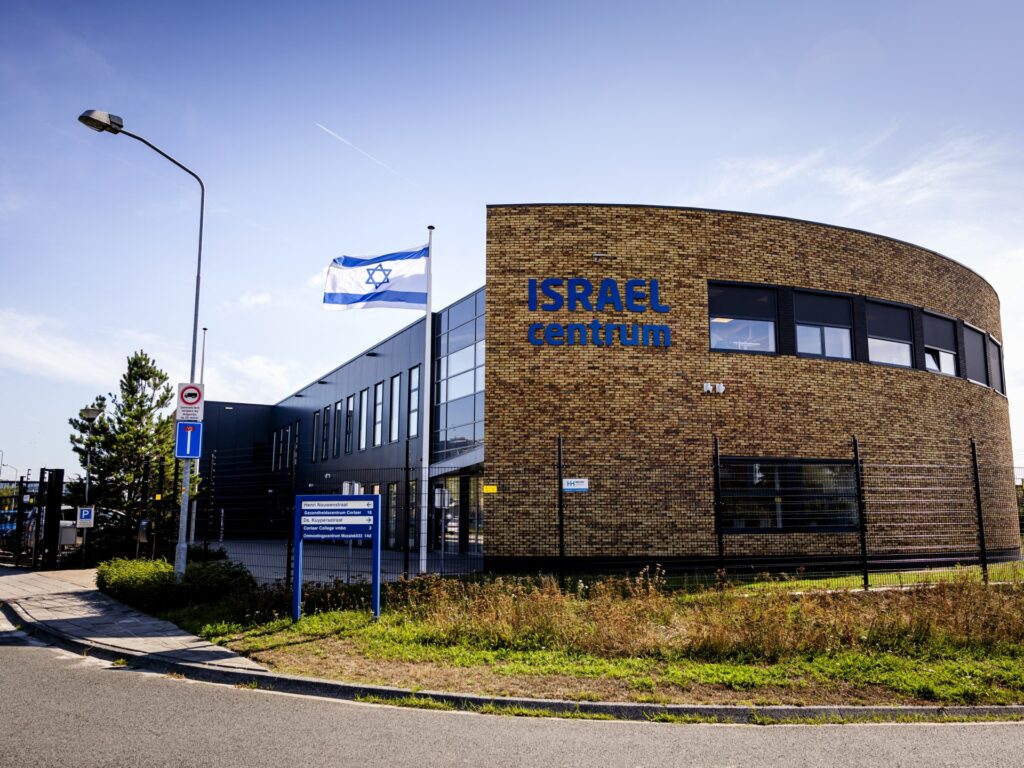
The dispute has also drawn attention to the plight of the Israeli Product Centre, a key distributor of West Bank products in the Netherlands. Representatives from the Centre have voiced concerns that the government has not allowed adequate time for them to sell off existing inventory stockpiled before the enforcement of the ban. They argue that this abrupt cutoff causes significant financial losses and operational difficulties, as they are left with products that cannot legally be sold in the Dutch market.
The Dutch government defends the trade ban as a principled stance aimed at supporting a peaceful resolution to the conflict and maintaining compliance with EU regulations, which discourage labeling products from Israeli settlements in occupied territories as originating from Israel. The government believes the policy elevates the importance of human rights and international law, even as it acknowledges the economic hardships posed.
Critics of the ban worry that such restrictive measures may inadvertently hurt the Palestinian and Israeli communities that both depend on the trade. Specifically, farmers and small business owners in the West Bank face losing significant revenue streams, which may escalate tension and instability in an already volatile region.
The Christian group’s lawsuit claims that the Dutch government’s decision did not sufficiently consider the socio-economic impact on the Christian population in the West Bank, many of whom depend on agricultural commerce for their survival. They argue that the ban fails to distinguish between products produced in Israeli settlements, which are disputed territory, and those produced by Palestinian residents, thereby unfairly penalizing a vulnerable community.
Legal experts note that the case could set a precedent regarding how trade policies intersect with international political conflicts and the protection of minority communities. The outcome may influence future legislation within the EU and beyond, especially concerning ethical trade and the labeling of products from conflict zones.
The Israeli Product Centre is urging the Dutch government to provide a transitional period that allows for the complete and equitable sale of existing stock, mitigating the financial damage while complying with new trade regulations. Simultaneously, activists and supporters of the Christian group call for a more nuanced approach that balances political objectives with humanitarian and commercial concerns.
This legal confrontation highlights broader tensions within Europe regarding trade with contested regions and the ethical considerations nations face when shaping foreign and trade policies. As the case progresses, stakeholders from various backgrounds, including religious groups, government officials, and business leaders, watch closely to see how justice and diplomacy will be balanced in this complex issue.