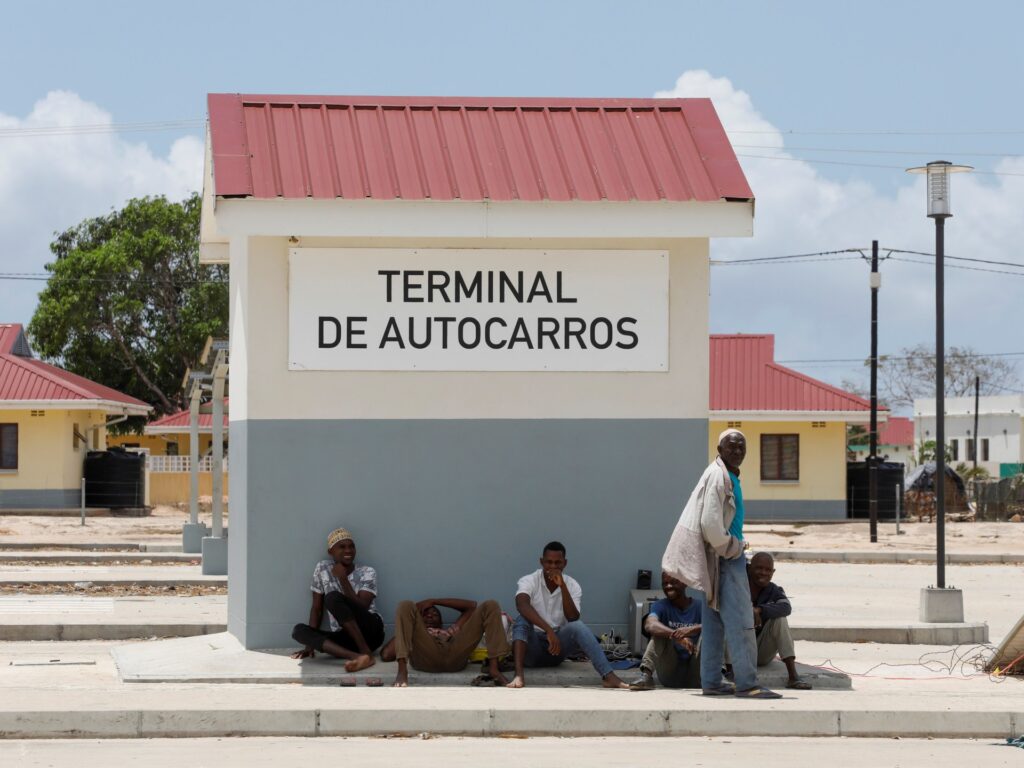
Northern Mozambique is currently facing a severe humanitarian crisis as escalating violence continues to trigger massive displacement. In the past year alone, more than 100,000 people have been forced to flee their homes, adding to the already staggering 1.3 million displaced individuals in the region. This surge in violence has destabilized communities, undermined local economies, and strained the resources of humanitarian organizations striving to provide aid.
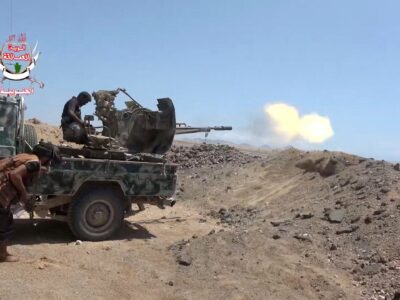
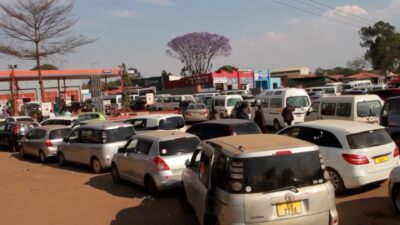
The root causes of this violence are multifaceted, involving complex interactions between insurgent groups, economic deprivation, and political instability. Armed groups operating in the area have increased attacks on villages, targeting civilians and infrastructure, which has heightened security concerns and prompted mass evacuations. Many of the displaced are seeking refuge in overcrowded camps or neighboring towns, where access to food, clean water, healthcare, and shelter remains critically inadequate.
The impact on vulnerable populations is profound, particularly affecting women, children, and the elderly. Displacement disrupts education and healthcare services, exacerbates poverty, and increases the risk of exploitation and abuse. Humanitarian agencies have called for intensified international support to address the immediate needs while also working towards long-term solutions that promote peace and stability.
Government and regional authorities are grappling with the challenge of restoring security, but the persistent violence complicates efforts to facilitate safe returns and rebuild communities. Enhanced coordination among stakeholders, increased funding for humanitarian operations, and a concerted focus on development initiatives are urgently required to mitigate the ongoing crisis.
As the violence persists, the displacement situation in northern Mozambique is expected to worsen, underscoring the pressing need for comprehensive measures that address both the humanitarian emergency and the underlying factors driving conflict. Without sustained attention and intervention, the well-being and futures of millions residing in this troubled region remain at grave risk.