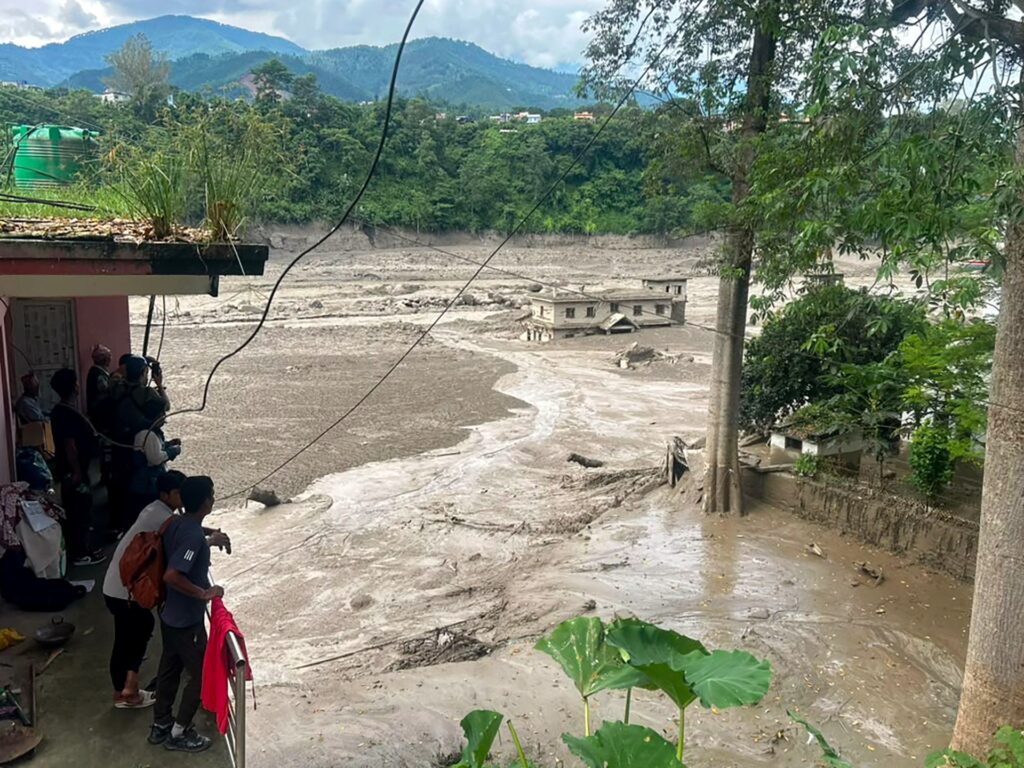
A devastating flash flood has struck Nepal, resulting in the confirmed deaths of at least 22 people, with hundreds more reported missing. The sudden and violent flooding has caused widespread destruction across several regions in Nepal, overwhelming rescue and relief operations.
The disaster struck without much warning, leading to severe casualties and displacements. Emergency services and local authorities are engaged in ongoing search and rescue missions to find survivors and account for those missing.
In the neighboring region of Tibet, specifically in the county of Gyirong, officials have reported significant casualties and many people missing as a result of the same natural disaster. The floodwaters have breached natural and man-made barriers, affecting numerous villages and towns across the border.
The major casualties reported in Tibet compound the severity of the situation, highlighting the cross-border impact of the flash flood. Local governments in both Nepal and Tibet are mobilizing resources, including helicopters, military personnel, and emergency medical teams, to reach isolated and inaccessible areas.
Experts attribute the flash floods to unusually heavy monsoon rains combined with melting glaciers in the Himalayas, which have increased water volumes in rivers and streams, leading to flash flooding. Climate change and environmental degradation are seen as contributing factors that have exacerbated the intensity of such natural disasters in the Himalayan region.
The international community has expressed concern and offered aid to assist with relief efforts. Humanitarian organizations are coordinating with local authorities to provide food, shelter, medical aid, and psychological support to the displaced populations.
Villagers and residents in affected areas have been advised to relocate temporarily to safer zones as authorities warn of possible further flooding. Infrastructure, including bridges, roads, and communication networks, has suffered extensive damage, complicating the delivery of aid and rescue operations.
The Nepalese government has declared a state of emergency in the worst-affected regions, while Tibetan authorities are implementing similar emergency measures. Both sides have called for enhanced weather monitoring systems and improved disaster preparedness to mitigate future risks.
As the rescue teams continue their work, communities in Nepal and Tibet are grappling with the immediate aftermath of the flood, mourning lost loved ones, and beginning the long process of recovery and rebuilding.
This tragic event serves as a stark reminder of the vulnerability of mountainous regions to flash floods and the pressing need for coordinated disaster management strategies across borders, especially in areas prone to the impacts of climate change.
Authorities urge residents to remain vigilant and heed advisories from officials as monsoon season progresses, with heightened alertness necessary to prevent further loss of life.
Ongoing assessments by meteorologists and disaster management experts aim to better understand the dynamics of the flood and to develop early warning mechanisms, potentially saving lives in future incidents.
The humanitarian crisis unfolding in Nepal and Tibet is likely to require sustained international support and cooperation to address the immediate and long-term needs of the affected populations.