Skip to content
October 30, 2026
  • Facebook
  • Twitter
  • Instagram
  • Youtube
  • tiktok
MILLENNIUM NEWS 24/7

MILLENNIUM NEWS 24/7

Bridging The Community’s World Wide

  • Home
  • IP TV LIVE
  • U.S.News
  • LOCAL ELECTION
  • State News
    • Alabama
    • Alaska
    • Arizona
    • Arkansas
    • California
    • Colorado
    • Connecticut
    • Delaware
    • Florida
    • Georgia
    • Hawaii
    • Idaho
    • Illinois
    • Indiana
    • Iowa
    • Kansas
    • Kentucky
    • Louisiana
    • Maryland
    • Massachusetts
    • Michigan
    • Maine
    • Minnesota
    • Mississippi
    • Missouri
    • Montana
    • Nebraska
    • Nevada
    • New Hampshire
    • New Jersey
    • New Mexico
    • New York
    • North Carolina
    • North Dakota
    • Oregon
    • Pennsylvania
    • Rhode Island
    • South Carolina
    • South Dakota
    • Tennessee
    • Texas
    • Virginia
    • Washington
    • West Virginia
    • U.S. Virgin Islands
  • Politics
  • World News
  • Sports
  • Entertainment
  • Weather
  • Business
  • Health News
  • Urban Cultural Programs
  • ADVERTISEMENT
  • About Us
  • Contact us
Live TV

A Teacher’s Slap, Student’s Death Revives India’s Corporal Punishment Debate

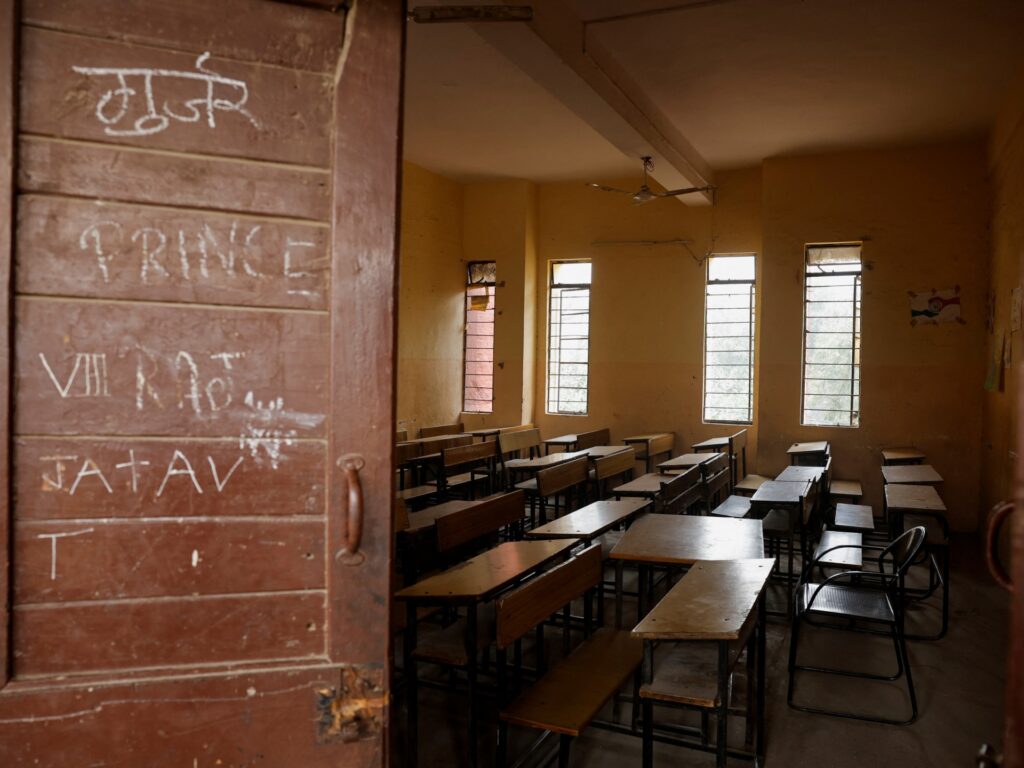
The tragic death of Teja, a young student allegedly subjected to a teacher’s slap, has reignited a fierce debate in India about the continuing prevalence of corporal punishment despite a decade-old legal ban.

Teja’s death has spotlighted a grim reality: more than ten years after the prohibition of corporal punishment in schools, the practice remains disturbingly common across the country. This incident forces India to confront a critical question it has yet to fully address—why is corporal punishment still routinely inflicted on children more than a decade after it was outlawed?

Corporal punishment, which includes any physical punishment like slapping, hitting, or caning a child as discipline, has been banned in Indian schools since the Supreme Court’s 2006 directive and the subsequent Right of Children to Free and Compulsory Education Act, 2009. The legislation explicitly forbids any physical or mental harassment of students, aiming to promote a safe and nurturing educational environment.

Despite this legal framework, numerous cases over the years have revealed the grim persistence of corporal punishment, often seen as a disciplinary tool by teachers and school authorities. Many educators argue that such methods are necessary for maintaining discipline and order, reflecting deep-rooted attitudes about child-rearing and discipline.

The case of Teja, whose death reportedly followed the trauma of a teacher’s abrupt and violent disciplinary action, illustrates the potentially fatal consequences of continued physical punishment. Reports indicate that the physical blow triggered a severe medical emergency, ultimately leading to the student’s demise.

This tragic event has sparked outrage among parents, human rights activists, and policymakers who argue that corporal punishment is not only ineffective but also deeply harmful, violating children’s rights and dignity.

Experts emphasize that corporal punishment cultivates fear and trauma among students rather than fostering learning or respect. Psychological research supports the notion that non-violent forms of discipline are more effective in encouraging positive behavior and nurturing children’s emotional well-being.

The persistent use of physical punishment in educational institutions reflects broader societal attitudes toward violence and discipline that need urgent reform. Child rights organizations are calling for stricter enforcement of existing laws, comprehensive teacher training, and awareness campaigns to change perceptions and practices.

Furthermore, effective monitoring mechanisms and reporting systems must be established in schools to ensure immediate action against violations and to support victims.

The government and educational authorities face pressure to revisit current policies and frameworks to better protect students. There is a growing consensus that education systems must prioritize child safety and dignity over outdated punitive measures.

In conclusion, Teja’s death is a stark reminder that India has not fully implemented or embraced the ban on corporal punishment. It highlights the urgent need for collective action from all stakeholders—including educators, legislators, parents, and civil society—to eradicate this harmful practice and ensure safe, supportive educational environments for every child.


About Author

admin

See author's posts

Post navigation

Previous Devastating Flash Floods in Nepal and Tibet Result in Heavy Casualties and Missing Persons
Next ICC Chief Urges Japan to Resist US Pressure Amid Sanctions on Court Officials

Related Stories

Iran War Live Update: Oil Tankers Hit in Hormuz; Trump Predicts Swift End to Conflict

Iran War Live Update: Oil Tankers Hit in Hormuz; Trump Predicts Swift End to Conflict

Brazil Summons Argentinian Diplomat Over Bolsonaro’s Flight to US

Brazil Summons Argentinian Diplomat Over Bolsonaro’s Flight to US

Germany and France Brace for Youth-Led Protests on Halloween Weekend

Germany and France Brace for Youth-Led Protests on Halloween Weekend

Entertainment

Fans Voice Support on Final Night of Macklemore’s ‘Free Palestine’ Tour 1

Fans Voice Support on Final Night of Macklemore’s ‘Free Palestine’ Tour

Kylian Mbappe Faces Backlash in China as Major Brands End Partnerships Over Meme Controversy 2

Kylian Mbappe Faces Backlash in China as Major Brands End Partnerships Over Meme Controversy

Macklemore Opens ‘Free Palestine’ Tour in Dublin to a Sold-Out Crowd 3

Macklemore Opens ‘Free Palestine’ Tour in Dublin to a Sold-Out Crowd

Macklemore Kicks Off Free Palestine Tour Emphasizing Humanity and Solidarity 4

Macklemore Kicks Off Free Palestine Tour Emphasizing Humanity and Solidarity

Canadian Publisher Severes Relationship with Best-Selling Writer Orelien Over AI Use 5

Canadian Publisher Severes Relationship with Best-Selling Writer Orelien Over AI Use

Celebrating Fela Kuti’s Legacy and the Global Rise of Afrobeats 6

Celebrating Fela Kuti’s Legacy and the Global Rise of Afrobeats

Satirical AI Video Captures the Juxtaposition of Paris Protests and Tourism 7

Satirical AI Video Captures the Juxtaposition of Paris Protests and Tourism

Top News

Iran War Live Update: Oil Tankers Hit in Hormuz; Trump Predicts Swift End to Conflict

Iran War Live Update: Oil Tankers Hit in Hormuz; Trump Predicts Swift End to Conflict

Brazil Summons Argentinian Diplomat Over Bolsonaro’s Flight to US

Brazil Summons Argentinian Diplomat Over Bolsonaro’s Flight to US

Germany and France Brace for Youth-Led Protests on Halloween Weekend

Germany and France Brace for Youth-Led Protests on Halloween Weekend

Fans Voice Support on Final Night of Macklemore’s ‘Free Palestine’ Tour

Fans Voice Support on Final Night of Macklemore’s ‘Free Palestine’ Tour

  • Home
  • About Us
  • Facebook
  • Twitter
  • Instagram
  • Youtube
  • tiktok
Editor: Nur M Tofader, Office: 250 Park Avenue, 7th Floor, New York, NY 10177 & Tell: 718 893 0002 (Office), 7188441300, +1212 401 6266, e-mail: Info@millenniuamtv24.com, e-mail: Info@millenniuamnews24.com, Copyright © Millennium News 24/7 | DarkNews by AF themes.