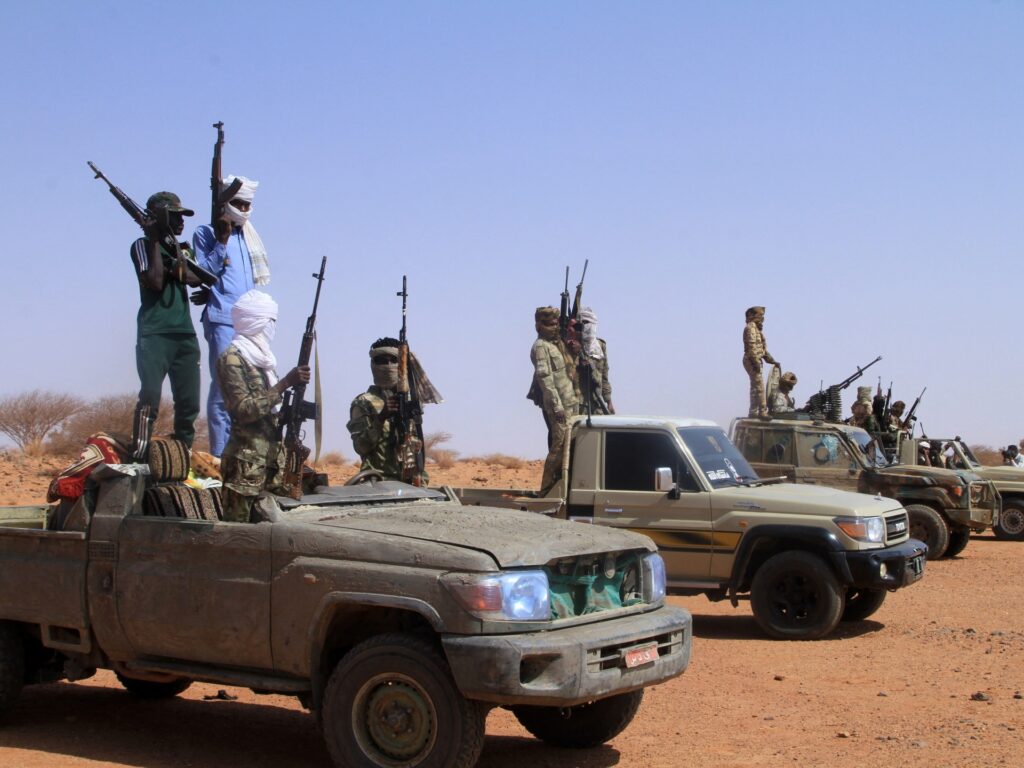
The ongoing conflict in Sudan is showing potential signs of a shift that could shape the country’s forthcoming political phase. Recent developments on the battlefield indicate significant movements that involve the Sudanese Army gaining ground, defections within the Rapid Support Forces (RSF), and strategic political maneuvers by General Abdel Fattah al-Burhan, the army chief.
The Sudanese Army has reportedly made notable advances in key conflict zones. This military progress might alter the balance of power on the ground, creating new dynamics both militarily and politically. As the army strengthens its position, it could translate its battlefield successes into greater leverage in political negotiations and the post-conflict power structure.
Meanwhile, defections from the RSF to the army add another dimension to the evolving situation. The RSF, known for its powerful militia forces, has been a major actor in the conflict, and defections from its ranks could weaken its operational capacity and morale. These shifts within the RSF suggest internal strains, possibly reflecting dissatisfaction with leadership or strategic direction.
General al-Burhan is reportedly capitalizing on these changes by pushing a political agenda that aligns with the army’s interests. His moves suggest an attempt to assert control over Sudan’s transitional process and future governance. This political push indicates that the military leadership is eager to consolidate power amid the ongoing conflict, positioning itself to influence the country’s political trajectory once the fighting subsides.
The intersection of military gains, internal divisions within the RSF, and al-Burhan’s political ambitions points to a complex and fluid conflict landscape. It underscores the possibility that Sudan’s battlefield is not only a site of violent contest but also a critical arena where the terms of the next political phase are being contested and potentially redefined.
Observers suggest that the outcome of this conflict could either pave the way for a new political settlement favoring the army’s leadership or, alternatively, exacerbate divisions leading to prolonged instability. The balance of power established through these battlefield dynamics will likely influence the composition and orientation of Sudan’s future government.
In summary, the current military developments in Sudan signal more than just a shift in control over territory. They reflect underlying political realignments and struggles for supremacy that could determine the course of the country’s next political phase. The battlefield, thus, remains a decisive factor in shaping Sudan’s political future, with army gains, RSF defections, and General al-Burhan’s strategic moves serving as key elements in this evolving equation.