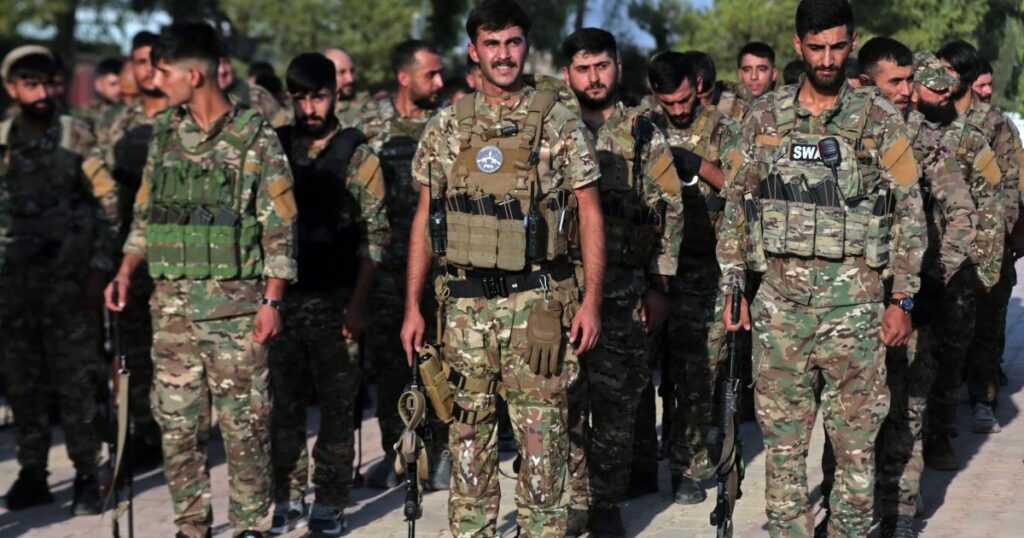
In a significant development in the ongoing tumultuous landscape of Syria, the Kurdish-led Syrian Democratic Forces (SDF) have officially dissolved after merging with the Syrian national army. This marks a pivotal moment in the region’s military and political dynamics, ending over a decade of autonomous Kurdish-led military operations.
The Syrian Democratic Forces, primarily composed of Kurdish fighters along with Arab and other ethnic groups, were instrumental in the fight against the Islamic State of Iraq and the Levant (ISIL) for over ten years. Their efforts played a crucial role in significantly weakening the extremist group and recapturing large swaths of territory in northeastern Syria.
The dissolution and merger come as part of a broader political and strategic realignment within Syria, aimed at consolidating military power under the national government’s control. This move is intended to foster greater national unity and streamline military command structures within the war-torn country.
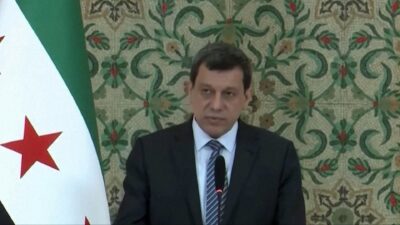
Amid these developments, the commander of the SDF has turned focus toward cultural issues, particularly championing the preservation of the Kurdish language. With the military chapter closing, the commander emphasizes the importance of sustaining Kurdish cultural identity and linguistic heritage as key to the community’s continued resilience and recognition.
Kurdish has faced historical marginalization and restrictions in Syria, and the promotion of its use is seen as vital to maintaining the ethnic group’s distinct identity. The commander is actively campaigning for increased educational and media opportunities in Kurdish to ensure its survival and growth.
This campaign aligns with broader Kurdish aspirations across the region for cultural rights and political recognition. It highlights a transition from armed conflict toward preserving cultural and social frameworks that define the Kurdish people.
Experts note that while the military integration may reduce some of the autonomy previously held by the SDF, advocacy for cultural preservation may pave the way for a new form of Kurdish identity expression through language and tradition rather than armed struggle.
The merger could also influence regional stability, as Kurdish forces have been a significant player in the complex Syrian conflict involving various local and international actors. The national army’s absorption of these forces might lead to a rearrangement of alliances and power balances.
As the Syrian government seeks to restore full control over its territory, the Kurdish population’s role within this framework will be closely watched by observers both in the region and internationally. The success of the Kurdish language campaign might set a precedent for other minority groups advocating for cultural preservation amidst shifting political landscapes.
In summary, the dissolution of the Kurdish-led Syrian Democratic Forces following their merger with the national army marks the end of a notable military chapter in Syria’s fight against ISIL and the beginning of a new era focused on cultural preservation and national unity. The SDF commander’s push for Kurdish language preservation underscores the enduring significance of cultural identity in a region long marked by conflict and change.