The recent shift in the United States’ policy toward Iran under the Trump administration has triggered a complex reaction among Gulf states. With Washington ramping up pressure on Tehran through tougher sanctions and the possibility of military action, countries in the Gulf region find themselves at a strategic crossroads.
The Trump administration’s new Iran approach primarily involves a combination of heightened economic sanctions and the implicit threat of military escalation to curb Tehran’s nuclear ambitions and regional influence. This policy stance marks a significant departure from previous diplomatic efforts and has prompted mixed responses across the Gulf Cooperation Council (GCC) countries.
Gulf states, historically wary of Iran, largely support efforts to limit Tehran’s regional influence. However, they are also deeply concerned about the potential fallout from aggressive U.S. actions. Sanctions are viewed as a preferable strategy by many in the region, as they apply pressure on Iran’s economy without immediate risk of armed conflict.
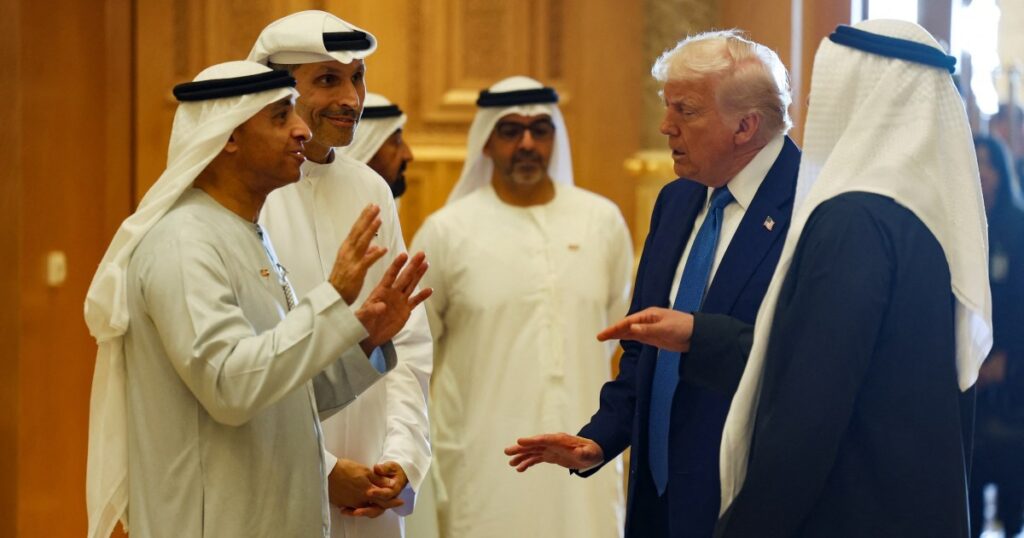
Countries like Saudi Arabia and the United Arab Emirates have expressed cautious backing for the sanctions regime, recognizing the need to prevent Iran from developing nuclear weapons and curtailing its support for proxy groups across the Middle East. These states perceive a strong, economically weakened Iran as less capable of destabilizing their own governments and neighbors.
Nevertheless, Gulf leaders are acutely aware of the risks associated with escalating tensions. The specter of missile strikes or direct military confrontation raises fears of widespread disruption, including attacks on vital oil infrastructure and shipping lanes crucial to the global economy.
This delicate balancing act compels Gulf states to weigh the benefits of supporting U.S. sanctions against the dangers of provoking Tehran into retaliatory actions. The potential for escalation has led some Gulf countries to pursue discreet diplomatic channels alongside public support for sanctions, aiming to de-escalate tensions while maintaining a united front against Iran’s regional policies.
The Gulf’s strategic calculus also involves managing relations with the United States and navigating internal political pressures. While aligning with Washington remains a priority, Gulf leaders must consider the domestic and regional implications of the United States’ tough stance on Iran.
In conclusion, the Gulf states’ reaction to Trump’s new Iran approach is characterized by a cautious endorsement of sanctions coupled with a clear apprehension about military escalation. As Washington intensifies its pressure on Tehran, Gulf countries continue to carefully evaluate the trade-offs between economic restrictions and the risks of conflict, balancing their security interests amid an increasingly volatile regional landscape.