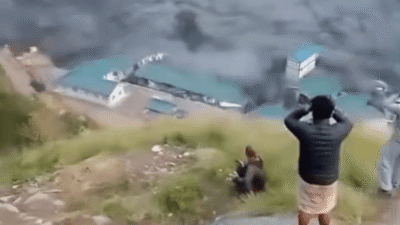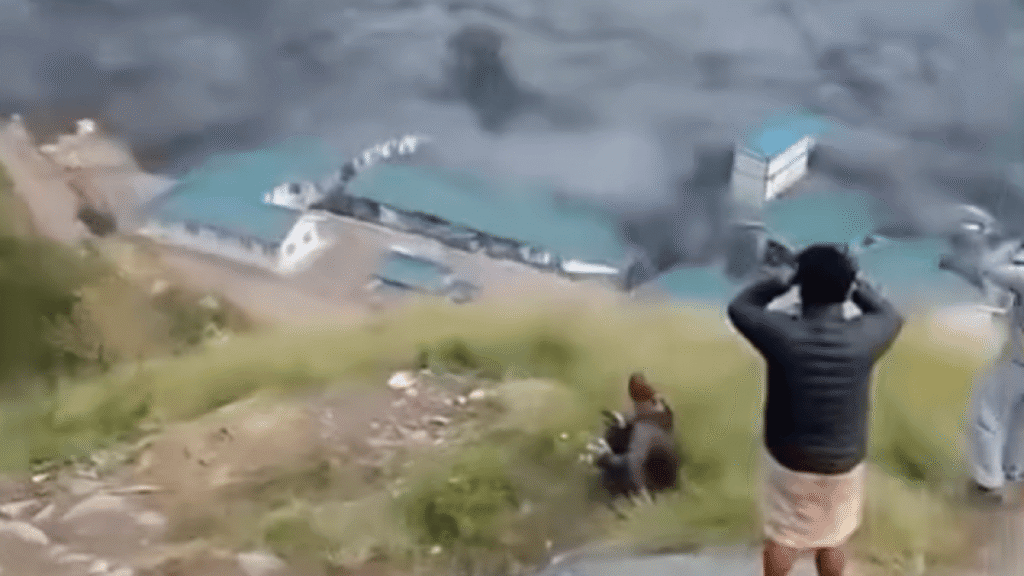
A devastating flash flood struck the Budhi Gandaki river area in Nepal on Sunday, causing significant destruction including the sweeping away of multiple buildings. The sudden surge of water, likely triggered by intense rainfall upstream, overwhelmed the riverbanks and rushed through the surrounding communities with little warning.
Officials report that the floodwaters have caused widespread damage to infrastructure, leaving several homes and local buildings destroyed or severely damaged. The affected areas are currently facing challenges in accessing aid due to the disrupted road networks and communication lines.
Emergency response teams have been deployed to conduct search and rescue operations, with efforts focused on locating any individuals trapped or missing amid the rubble. Authorities are also setting up temporary shelters for displaced families and coordinating with local agencies to provide essential supplies such as food, water, and medical care.
Experts indicate that the topography of the region, combined with recent weather patterns, may have contributed to the severity of the flood. Nepal’s mountainous terrain frequently experiences flash floods during monsoon seasons, often resulting in abrupt and destructive water flows.
Residents in flood-prone zones are urged to remain vigilant and follow safety advisories issued by the government. Meteorological departments continue to monitor weather conditions closely to provide timely warnings in case of further risks.
The flash flood incident underscores the urgent need for improved flood management infrastructure and disaster preparedness in Nepal. Local authorities have called for increased investment in early warning systems and community awareness programs to mitigate the impacts of similar natural disasters in the future.
Neighboring regions are also advised to remain alert as heavy rain continues to affect parts of the country. The government is collaborating with international relief organizations to ensure a coordinated response and support for affected populations.
This tragic event serves as a reminder of the destructive power of nature and the critical importance of resilience-building measures in vulnerable areas. Efforts to rebuild and recover are expected to require significant time and resources, with ongoing assessments to be conducted to understand the full extent of the damage.
For now, the priority remains on saving lives, providing assistance to those impacted, and preventing further casualties as the situation develops.