In a landmark development, Syria has been officially removed from the United States’ list of designated state sponsors of terrorism—a designation that has been in place for several decades. This removal marks a pivotal moment for Damascus as it seeks to ‘shake off’ its troubled past and move toward a future focused on recovery and rebuilding.
The decision to take Syria off the terrorism list was announced recently, signaling a major shift in US policy toward the war-torn nation. The designation had previously led to stringent economic and diplomatic sanctions, which severely restricted Syria’s ability to engage in international trade and access foreign capital. The lifting of these sanctions offers the country a much-needed opportunity to revitalize its economy and undertake comprehensive post-war reconstruction efforts.
For Syria, the end of this era of isolation is expected to bring substantial relief. The sanctions had crippled key sectors such as oil exports, financial transactions, and foreign investments, all of which are crucial for rebuilding infrastructure destroyed during over a decade of civil conflict. The removal from the terror list not only will improve Syria’s international standing but also is likely to encourage foreign investors and aid organizations to resume or increase their engagement with the country.
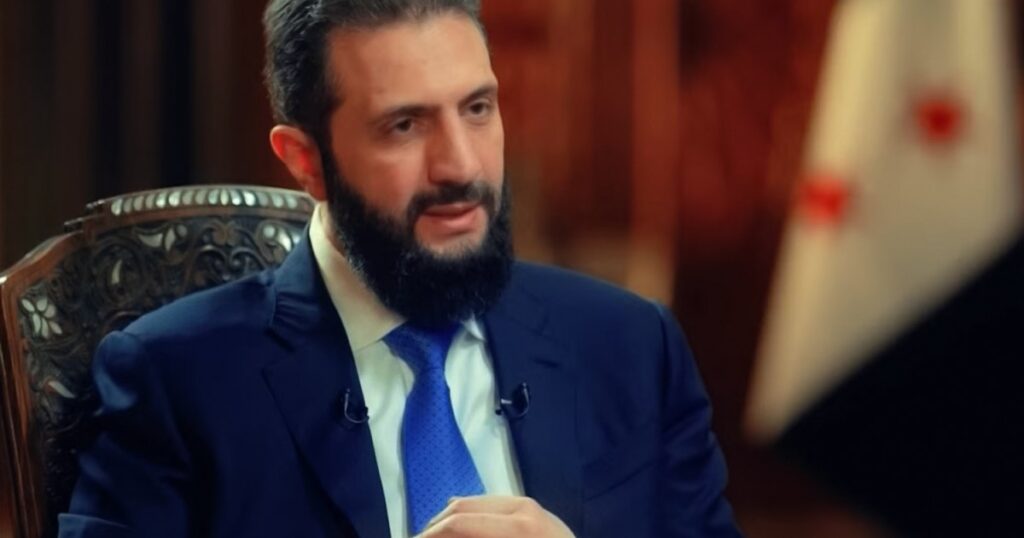
Farouk al-Sharaa, Syria’s Former Foreign Minister and an influential political figure, hailed the move as a major breakthrough. According to al-Sharaa, shedding the decades-old designation allows Syria to finally turn the page on a turbulent past defined by conflict and external blame. He emphasized that this development opens up possibilities for peace, stability, and economic development that were previously unattainable under the heavy sanctions.
The US typically uses the terror list to penalize nations believed to support terrorist activities. Syria’s inclusion was based on allegations related to past support for groups deemed terrorist organizations by Washington. However, the changing geopolitical landscape and shifts in US foreign policy priorities appear to have influenced the decision to grant Syria relief from these sanctions, likely hoping to promote regional stability and counterbalance other influences in the Middle East.
The path forward for Syria remains complex. Although the removal from the terrorism list offers significant legal and economic benefits, the country still faces numerous challenges. Political reconciliation remains fragile, reconstruction costs are tremendous, and many Syrians continue to grapple with displacement and humanitarian issues.
Moreover, the process of reintegrating Syria into the global economy will require time and effort to rebuild trust with international partners and investors. Nonetheless, experts view this decision as a crucial step that could catalyze wider diplomatic engagement and economic recovery in Syria.
International bodies and financial institutions are likely to respond positively by considering renewed aid packages and investment frameworks aimed at alleviating hardship and encouraging reconstruction. This can lead to job creation, infrastructure rebuilding, and social services improvement crucial for post-conflict recovery.
In summary, Syria’s removal from the US terror list symbolizes a fundamental shift towards normalization and development after years of conflict and isolation. This decision not only relieves the strain of sanctions but also offers hope for a stabilized and prosperous future for the Syrian people. The international community will be closely watching as Damascus navigates the opportunities and challenges ahead in this new chapter.