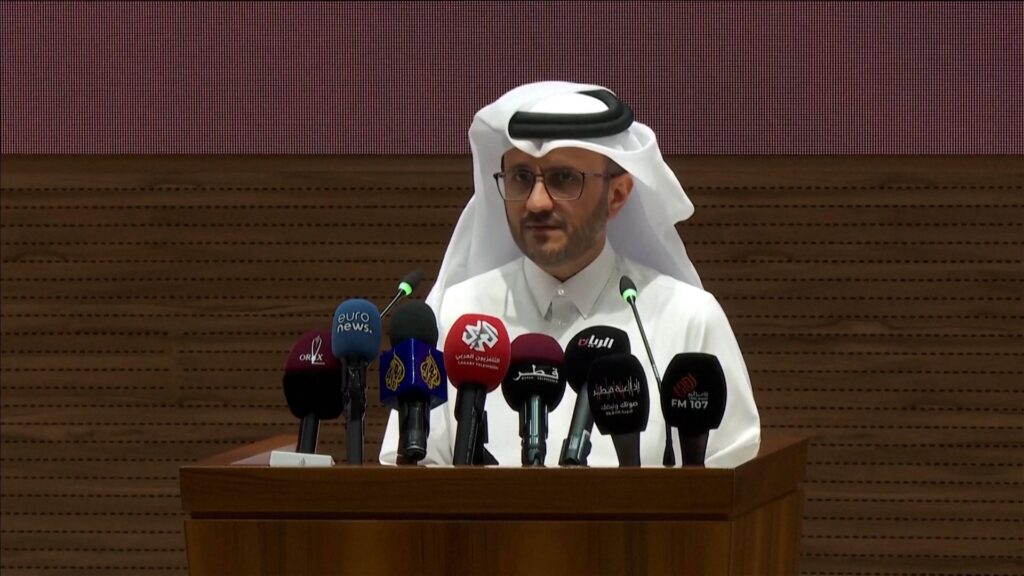
In a recent briefing on Tuesday, Qatar’s Foreign Ministry publicly labeled the United States’ sanctions imposed on Iran as unilateral measures. This statement highlights the ongoing controversy surrounding international responses to Iran’s policies and actions. The US sanctions, which have been enforced independently by the United States without broad international consensus, aim to pressure Iran on issues such as its nuclear program and regional activities.
Qatar’s official position underscores the diplomatic nuance in Middle Eastern geopolitics, where the reactions to US foreign policy can vary significantly among regional players. The country’s declaration may reflect concerns about the impact of these sanctions on regional stability and economic relations with Iran.
Unilateral sanctions are typically those enforced by a single country, often without backing from multilateral organizations like the United Nations or broad international coalitions. Qatar’s Foreign Ministry emphasized that such sanctions lack collective international endorsement, thus questioning their legitimacy and potential effectiveness.
This stance by Qatar may influence diplomatic dialogues in the region and affects multilateral discussions regarding Iran’s economic and political relations globally. Moreover, it can affect Qatar’s relations with both the United States and Iran, as Doha balances its foreign policy between maintaining ties with Western powers and its neighboring states.
The US sanctions on Iran have included restrictions on trade, investment, and financial transactions, aiming to curb Iran’s influence and discourage controversial activities. However, nations like Qatar suggest that these measures, when applied without wider international support, could undermine diplomatic efforts and escalate tensions.
In broader context, Qatar’s comment contributes to ongoing debates about the role and impact of sanctions in international relations, where unilateral actions may lead to diplomatic rifts and complicate efforts for collective problem-solving.
As the international community continues to navigate complex political landscapes, Qatar’s assertion that the US sanctions on Iran are unilateral serves as a pivotal reminder of the differing perspectives that shape global diplomacy.