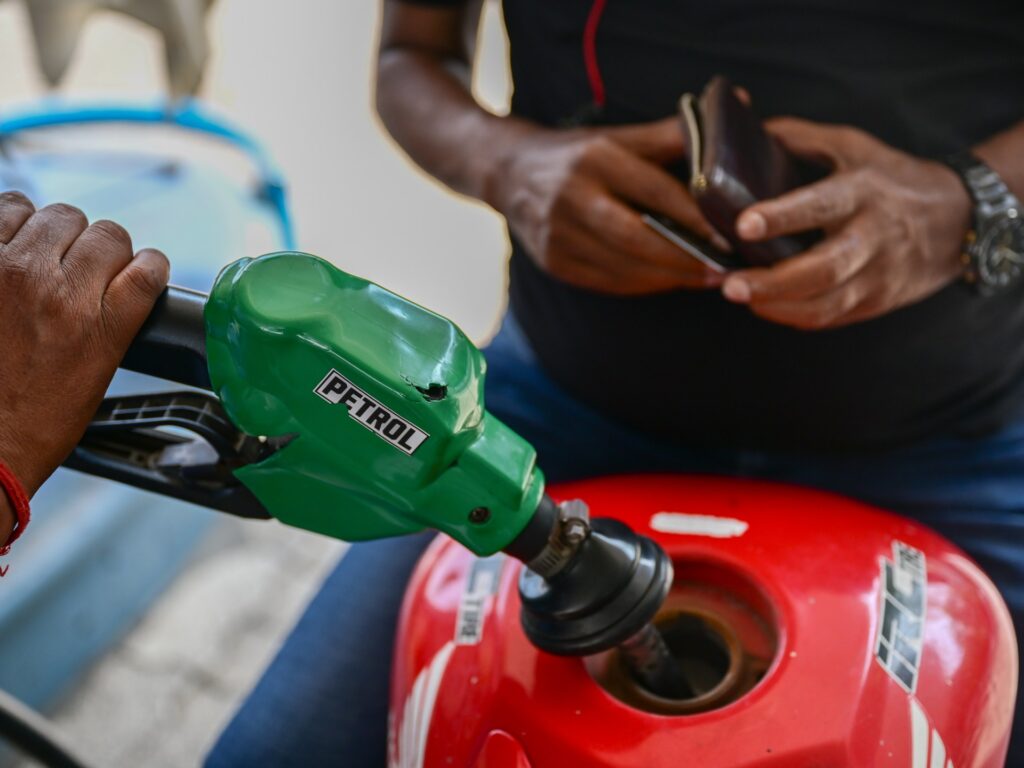
Since the outbreak of conflict involving Iran, with attacks by the US and Israel, petrol prices have surged worldwide, affecting at least 145 countries. This escalation in petrol costs has raised concerns about economic stability and the increased financial burden on consumers globally.
The ripple effects of geopolitical tensions in the Middle East, a critical region for the world’s oil supply, have been felt acutely across numerous nations. Many countries have reported notable increases in retail fuel prices, leading to higher transportation costs, inflationary pressures on goods, and overall increased cost of living.
Petrol prices historically respond quickly to disruptions in supply, and the recent hostilities have resulted in a constrained oil market. Markets reacted swiftly to news of attacks, with crude oil prices soaring as traders anticipating supply shortages. This volatility has then translated into increased pump prices for consumers everywhere.
Economic analysts point out that for the average consumer, the increase in petrol prices means spending considerably more on fuel than before the conflict began. For countries dependent on oil imports, the financial exposure is even greater, intensifying trade deficits and straining budgets.
Governments of affected nations are under pressure to manage the economic fallout. Some are implementing measures such as subsidies to shield their citizens from the price shock, while others are exploring alternative energy sources to reduce oil dependency.
The combined economic, social, and political implications of the petrol price hikes are significant. Rising fuel costs contribute directly to higher costs for goods and services, as transportation and production costs increase. This can dampen consumer spending and slow economic growth.
Furthermore, the increased costs disproportionately affect lower-income households, as a larger portion of their budgets is allocated to fuel and related expenses. This exacerbates inequality and can lead to social unrest.
International organizations and economic forums are monitoring the situation closely, urging diplomatic efforts to stabilize the region to secure energy supplies and stabilize prices.
While the current petrol price surge is directly tied to the ongoing conflict in Iran, its impact underscores the vulnerability of the global economy to geopolitical events. It highlights the urgent need for diversified and resilient energy strategies to mitigate such shocks in the future.
In conclusion, since the beginning of the conflict in Iran, the world has witnessed a significant rise in petrol prices affecting over 145 countries. This scenario calls for coordinated global action to address both immediate economic challenges and long-term energy security.