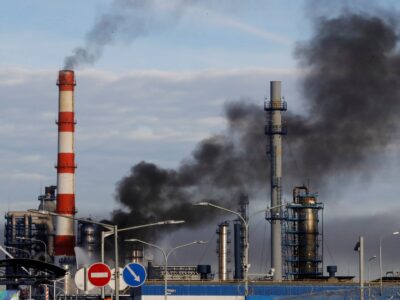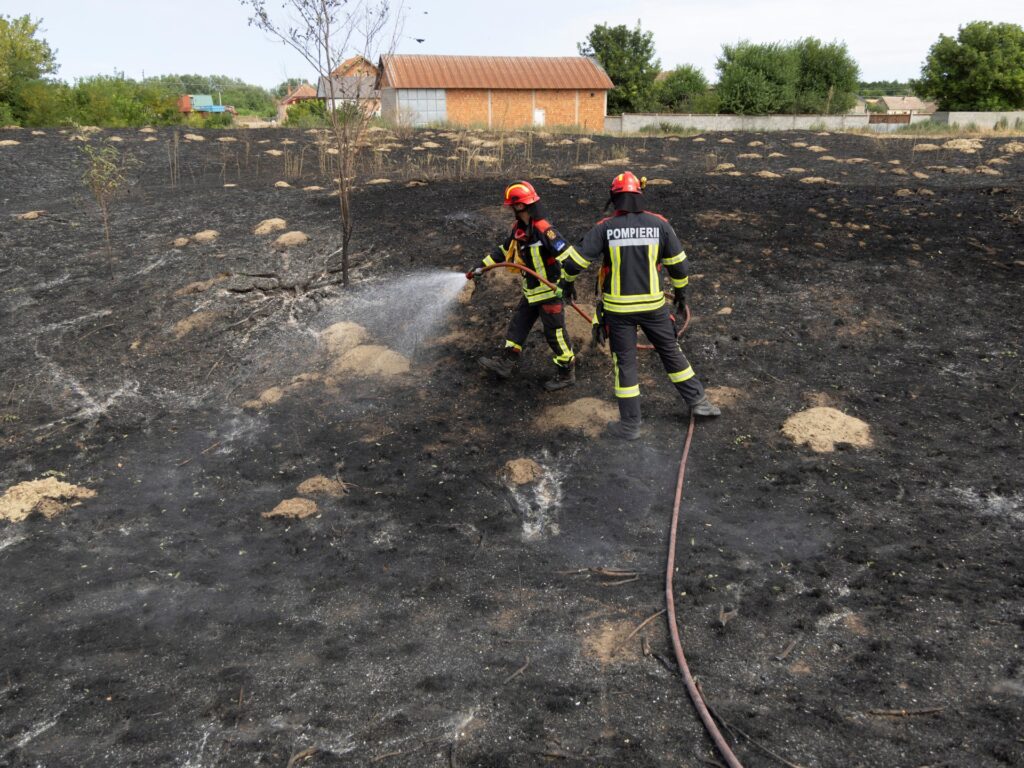
Serbia is grappling with severe wildfires exacerbated by an intense heatwave affecting the Balkan region, prompting international aid to intensify firefighting operations. The European Union has mobilized specialized crews alongside the deployment of a Russian aircraft to support Serbia’s efforts in containing the blazes. These fires, fueled by unprecedented high temperatures and dry conditions, have posed significant challenges to local firefighting resources, threatening vast areas of forest and residential zones.
The collaboration underscores the urgency and scale of the wildfire crisis, highlighting the necessity for cross-border cooperation in disaster management scenarios. EU crews have brought advanced firefighting equipment and personnel trained in wildfire suppression, complementing Serbia’s national response capabilities. Simultaneously, the Russian aerial firefighting unit provides critical air support, dropping water and fire retardants to mitigate the fire spread in inaccessible terrains.
Wildfires in the Balkans have intensified due to a combination of prolonged drought, heatwaves, and climate change impacts, leading to longer and more destructive fire seasons. Authorities warn that without coordinated action and international assistance, the situation could deteriorate, causing further ecological damage, property loss, and health risks due to smoke inhalation.
The wildfires in Serbia are part of a broader crisis affecting several countries in the region, including Croatia, Bosnia and Herzegovina, and Montenegro, all experiencing similar challenges. Regional cooperation facilitated by EU mechanisms has enabled sharing resources and expertise quickly where most needed.
This crisis also emphasizes the growing threat of climate-related disasters and the imperative for enhanced preparedness and resilience strategies. Governments are urged to invest in early warning systems, community awareness programs, and infrastructure improvements to better withstand future wildfire threats.
As firefighting efforts continue, residents are being advised to stay vigilant, follow safety instructions, and prepare for possible evacuations. The collaborative response from the EU and Russia marks a significant step towards managing and eventually overcoming this severe natural hazard in Serbia.