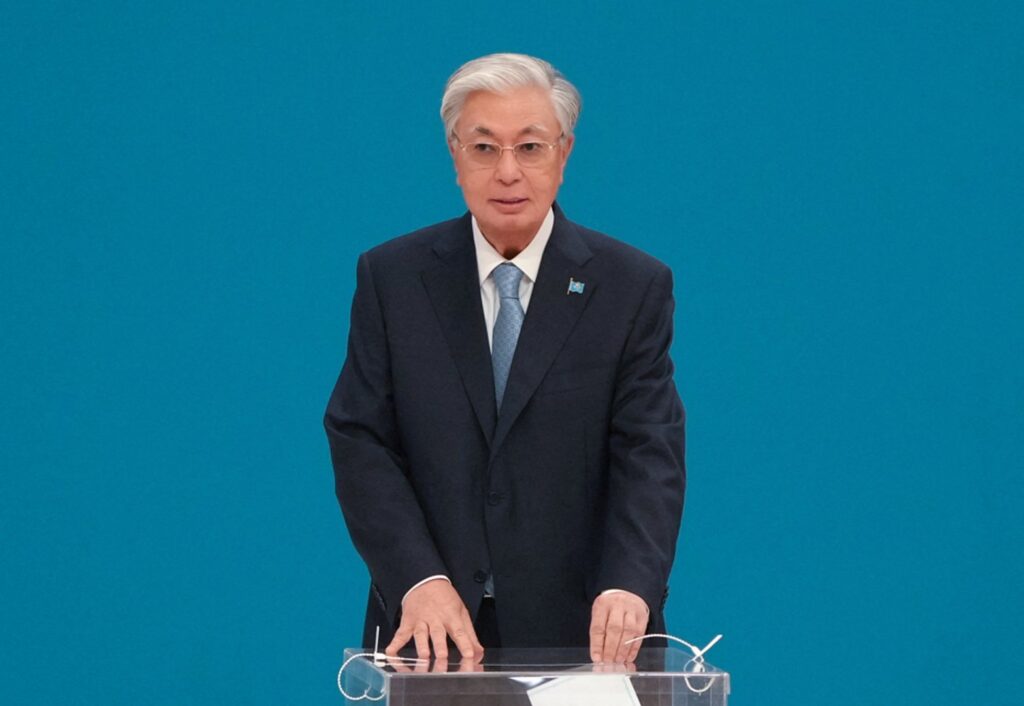
In a significant political development, exit polls indicate a sweeping victory for the pro-Tokayev Adilet party in Kazakhstan’s recent parliamentary elections. According to preliminary data, the party is expected to secure approximately 70 percent of the vote, signaling strong public support for President Kassym-Jomart Tokayev’s allies and their policies.
The parliamentary elections were closely watched both domestically and internationally, as they provide a crucial benchmark for political stability and reform momentum in Kazakhstan. The Adilet party’s dominant performance underscores the electorate’s preference for continuity and the government’s direction amid various economic and social challenges.
Kazakhstan, the world’s largest landlocked country, has been undergoing a period of political transformation and development. President Tokayev, who took office in 2019, has introduced a series of reforms aimed at consolidating governance structures and promoting economic diversification. These elections are viewed as a validation of his administration’s efforts.
The Adilet party’s platform emphasized stability, development, and social welfare, which resonated with voters seeking steady governance in uncertain times. The party’s success is also attributed to effective campaigning and mobilization efforts that highlighted the need for continued reform within the existing political framework.
Opposition parties, while present, faced challenges in gaining significant traction against the dominant Adilet party. Observers noted that the political landscape remains largely influenced by pro-government forces, with limited space for dissenting voices.
The voter turnout was reported to be high, reflecting considerable public engagement in the electoral process. This turnout strengthens the legitimacy of the elections and the mandates granted to the newly elected parliamentarians.
International reactions to the election results have been mixed, with some countries expressing support for Kazakhstan’s democratic processes, while others have called for greater inclusivity and political pluralism.
Analysts predict that with a strong parliamentary majority, the Tokayev administration will have enhanced capacity to implement its legislative agenda, focusing on economic reforms, social policies, and international cooperation.
As Kazakhstan navigates its path forward, the election outcome sets the stage for a period of relative political stability and potential accelerated reforms under President Tokayev’s leadership. The consolidation of power within his allies is expected to facilitate governance but also raises questions about the diversity of political representation and the space for opposition voices in Kazakhstan’s future.
Overall, the elections mark a pivotal moment for Kazakhstan, reflecting both the aspirations of its people for progress and the complexities of its evolving political landscape.