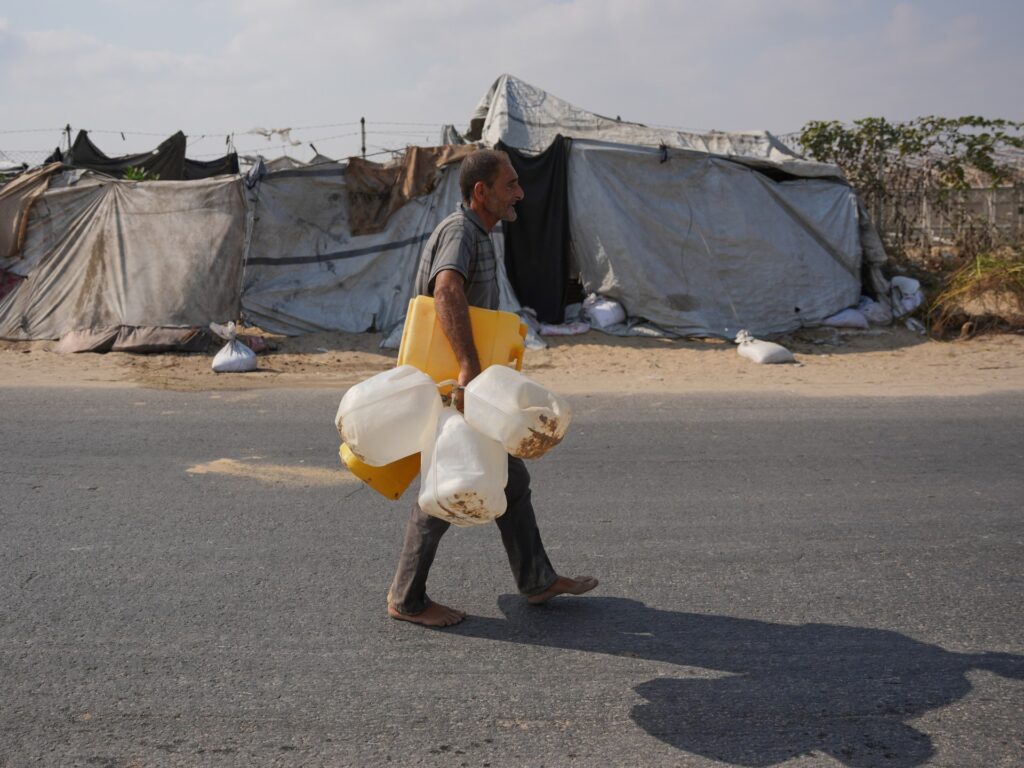
Water-related conflicts have emerged as one of the most pressing global challenges, with incidents nearly quadrupling since 2020. As the world convenes for World Water Week 2026, the spotlight turns sharply to the regions where water disputes threaten security, livelihoods, and international stability.
Experts warn that water scarcity, exacerbated by climate change, population growth, and mismanagement, is a catalyst for these conflicts. Rivers, lakes, and underground aquifers—once plentiful—now serve as flashpoints in geopolitical tensions.
The Middle East remains one of the most vulnerable regions, with long-standing disputes over the Tigris-Euphrates basin escalating amid drought conditions and political instability. Countries sharing the Nile River also face intensified friction as upstream developments alter water flow, impacting downstream nations heavily dependent on this vital lifeline.
In South Asia, the complex dynamics of the Indus and Ganges river systems involve multiple countries, with growing demands from agriculture, industry, and urban centers straining historic agreements. Climate variability and glaciers’ retreat in the Himalayas further threaten these water sources.
Sub-Saharan Africa encounters similar challenges, where rapid urbanization and agricultural expansion squeeze already limited freshwater resources. Transboundary river basins like the Zambezi and Niger illustrate the difficulties in cooperative water management as competing interests arise.
North America is not immune. The Colorado River basin faces a prolonged crisis as drought and overconsumption deplete reservoirs, leading to interstate negotiations fraught with tension. In California, water conflicts underscore how climate change can intensify regional disputes over essential resources.
The rise in water conflicts also highlights socio-economic disparities. Marginalized communities often bear the brunt of shortages and violence, linking water security directly to human rights concerns.
International organizations emphasize the need for robust water governance, conflict resolution mechanisms, and sustainable water management practices to mitigate risks. The World Water Week 2026 presents an opportunity for stakeholders to align on innovative solutions, emphasizing cooperation over confrontation.
Data-driven approaches leveraging satellite monitoring and predictive analytics are becoming essential tools in managing transboundary water bodies. Early warning systems and transparent data sharing can build trust and preempt potential conflicts.
As the global population approaches 9 billion, ensuring equitable access to clean water will remain a defining challenge. Addressing the root causes of water disputes—climate change adaptation, infrastructure investment, and strengthening local governance—will be critical.
World Water Week 2026 calls on governments, NGOs, and the private sector to intensify collaboration. Only through coordinated, inclusive efforts can the alarming trend of water-related conflicts be reversed, securing a sustainable water future for all.