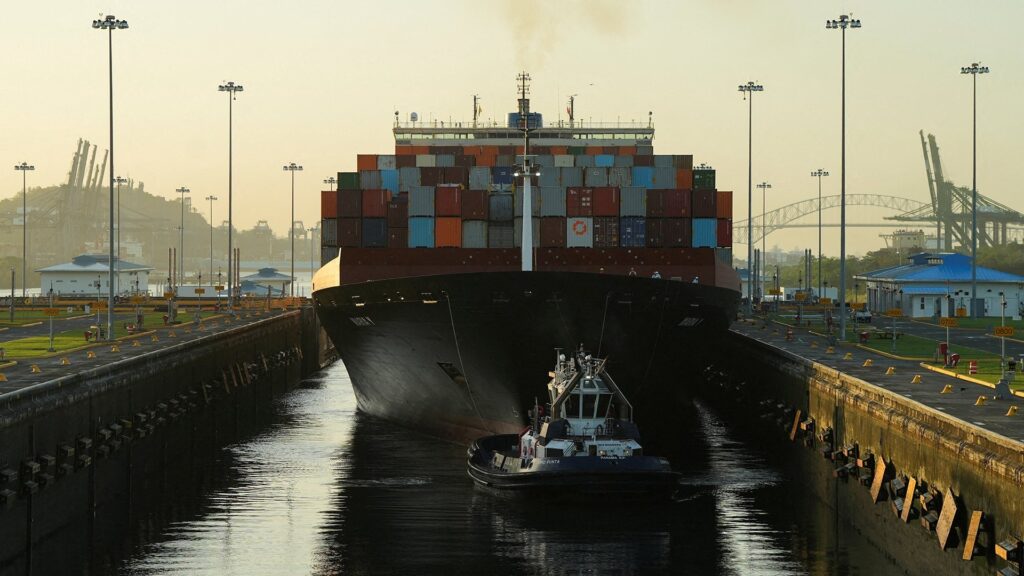
The Panama Canal, a critical artery for global maritime trade, announced a significant reduction in daily vessel transits as it braces for the impact of an “extreme” El Niño weather phenomenon predicted to take hold by mid-September. Starting September 15, the canal will decrease the number of ships passing through from 40 to 32 daily.
This decision underscores the severe environmental challenges that the canal faces amid climate instability. The El Niño phenomenon, characterized by unusually warm ocean temperatures in the equatorial Pacific, often brings prolonged drought conditions to the Panama region. Reduced rainfall threatens the freshwater supply crucial for the canal’s lock operations, which rely heavily on gravity-fed water systems.
The canal’s water reservoirs are expected to receive less replenishment during this dry spell, making it necessary to curb traffic to conserve water and maintain safe vessel transit operations. By limiting the number of daily transits, operations managers aim to balance between meeting global shipping demands and sustaining the canal’s long-term functionality.
Shipping companies and global trade stakeholders are preparing for the ramifications of this change. A reduction in vessel capacity means slower transit times through the canal, which could translate into delayed deliveries and increased transportation costs. The Panama Canal is a vital shortcut connecting the Atlantic and Pacific Oceans, and any disruption impacts supply chains worldwide.
Industry analysts predict that the capacity cut will ripple across various sectors, especially those relying on timely imports and exports of goods such as electronics, pharmaceuticals, and perishables. Increased shipping costs may also trickle down to consumers, potentially inflating prices for imported products.
The Panama Canal Authority has indicated it is closely monitoring weather patterns and water levels to adjust transit schedules dynamically if conditions worsen or improve. They are also exploring medium to long-term adaptation strategies, such as water conservation technologies and infrastructure enhancements, to mitigate impacts from future climate fluctuations.
This measure comes amidst heightened global awareness of climate change impacts on critical infrastructure. The Panama Canal’s operational challenges highlight the vulnerability of maritime trade routes to extreme weather events intensified by a warming climate.
As the extreme El Niño event unfolds, collaboration between governments, industry players, and environmental experts will be essential to navigate these disruptions. Ensuring resilience of vital trade corridors like the Panama Canal will require integrated approaches spanning environmental management, engineering innovation, and economic planning.
In conclusion, the Panama Canal’s decision to reduce daily transits reflects a proactive stance to mitigate risks posed by natural climate cycles. While this move may disrupt shipping temporarily, it also serves as a clarion call for broader climate resilience measures in global trade systems. Stakeholders must prepare for ongoing uncertainties and invest in sustainable infrastructure to safeguard the smooth flow of goods that underpin the global economy.