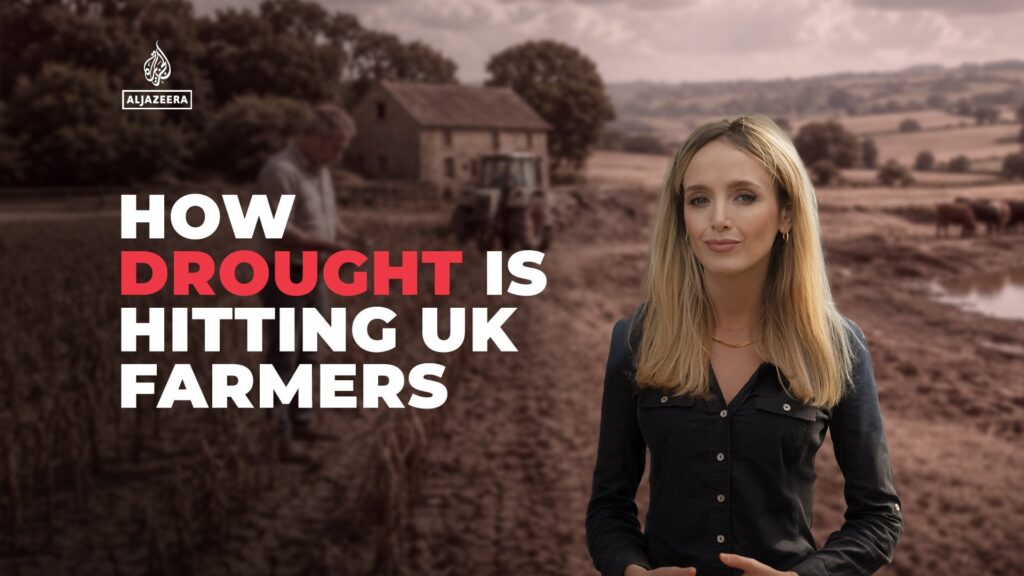
The United Kingdom is currently grappling with a significant drought, with officials declaring that up to two-thirds of England is now affected. This situation has emerged after several months of intense heatwaves and unusually dry weather, causing widespread concern across the farming sector.
The prolonged dryness has critically impacted soil moisture levels, reducing the availability of water essential for crop growth. Farmers across the country are witnessing stunted crop development, with some fields turning brown and barren where plants struggle to survive. This severely threatens the yields of staple crops such as wheat, barley, and vegetables, which are crucial for both domestic consumption and export.
Livestock farmers are also bearing the brunt as water supplies dwindle, and grazing lands dry out. Many are forced to purchase supplementary feed, increasing costs substantially. Some regions report that traditional water sources like ponds and rivers are at historically low levels, further complicating animal husbandry operations.
The drought is exerting pressure on irrigation systems, where limited water allocations are forcing farmers to prioritize which crops receive water. This can lead to uneven growth across farms and economic losses due to reduced market-ready produce.
Government agencies and environmental bodies have issued drought warnings, advising communities and industries to conserve water. Emergency measures are being rolled out, including support packages for affected farmers, to help mitigate the financial strain.
Experts warn that if the weather pattern remains dry into the coming months, the situation could worsen, potentially leading to significant disruptions in food supply chains. Such a scenario raises concerns about rising food prices and food security within the UK.
Historical data suggests that while droughts are not uncommon in the UK, the frequency and intensity have increased, attributed largely to climate change. This drought underscores the urgent need for sustainable water management strategies and resilient agricultural practices to cope with future climate extremes.
The community and government response will be crucial in navigating through this challenging period. Supporting farmers to adapt to changing environmental conditions and investing in infrastructure to better manage water resources are seen as key steps in securing the country’s agricultural future.
As the situation evolves, monitoring of rainfall patterns and soil moisture levels continues, to provide timely updates and guidance. For now, the drought remains a stark reminder of nature’s unpredictability and the vulnerabilities of farming systems dependent on stable climatic conditions.