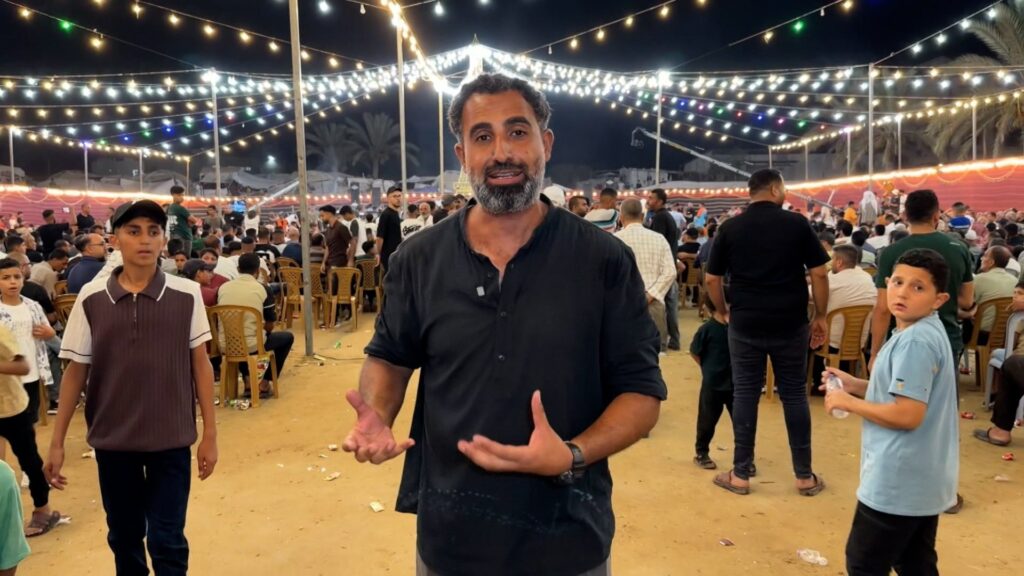
In the war-torn region of Gaza, where life is marked by the ongoing devastating conflict with Israel, moments of celebration like weddings provide a poignant contrast to the daily hardships faced by Palestinian families. Despite the harsh realities of a genocidal war, these events serve as fleeting escapes filled with hope, resilience, and communal solidarity.
The Gaza Strip has long been a focal point of intense conflict, with frequent military operations causing widespread destruction, loss of life, and psychological trauma. Yet, even in the darkest times, the human spirit persists. Weddings in Gaza have become more than just a union of two individuals; they are acts of defiance and affirmations of life.
Families invest whatever resources they can muster to create memorable celebrations. Traditional music, dances, and customary rituals infuse these ceremonies with cultural richness and continuity, reminding attendees of their heritage and identity. For a few hours, the sounds of joy momentarily replace the echoes of bombs and gunfire.
Brides and grooms dress in vibrant attire, surrounded by loved ones who share laughter and tears. The gatherings bring together communities that are often fragmented by conflict and displacement. For these moments, the collective suffering is overshadowed by shared happiness.
Organizing weddings, however, is fraught with challenges. Limited access to basic necessities, restricted movement due to blockades, and the constant threat of airstrikes complicate even the simplest arrangements. Electricity shortages can disrupt celebrations, and medical concerns add layers of anxiety for families already stretched thin.
International humanitarian organizations have noted the importance of preserving cultural traditions like weddings in Gaza. They emphasize that supporting such ceremonies is crucial not only for morale but for the psychological well-being of the people living under siege.
These celebrations often spark conversations of hope for a future beyond conflict. They symbolize continuity and the belief in a better tomorrow. For the younger generation, witnessing weddings amidst war instills resilience and a sense of normalcy, vital for their mental health and social cohesion.
In the broader context, weddings in Gaza highlight the profound resilience of Palestinian society. Amidst a backdrop of genocide and oppression, these moments underscore an unwavering commitment to life, identity, and community.
While the international community grapples with responses to the ongoing war, stories from Gaza’s weddings remind us that even in the face of overwhelming adversity, people continue to seek joy and maintain hope. These events are not just celebrations but powerful statements of survival and humanity amidst conflict.