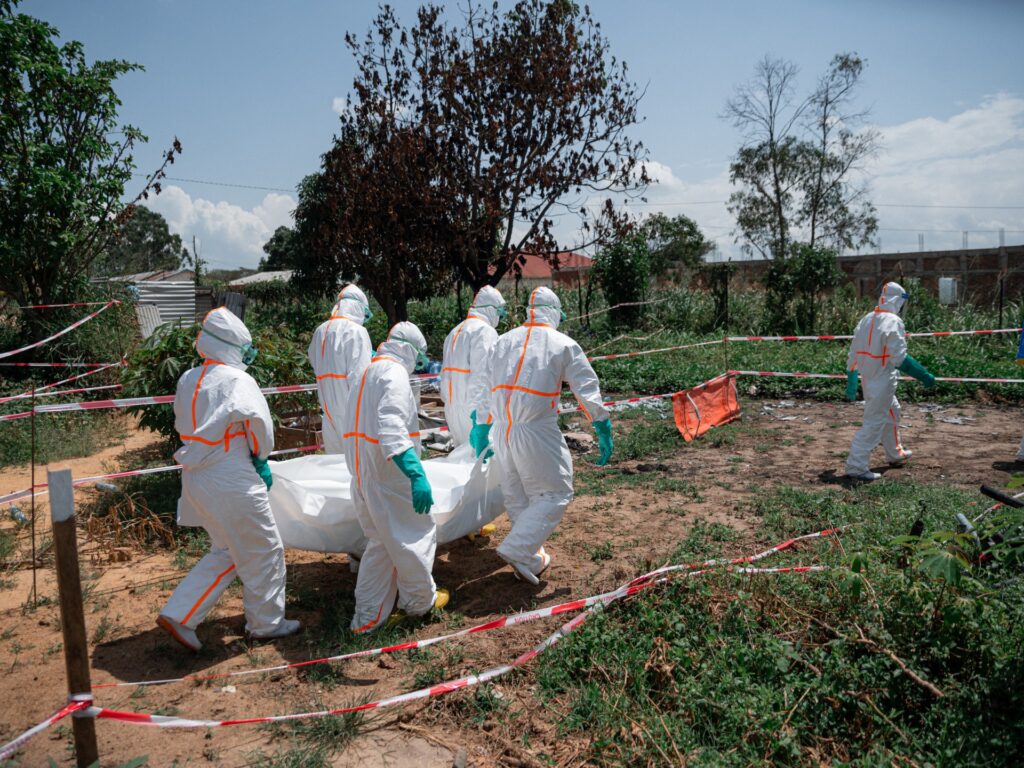
The Ebola outbreak in the Democratic Republic of Congo (DRC) continues to grow at an alarming rate, with the death toll now exceeding 2,500, according to the United Nations. The epidemic, which has been ongoing for several years, remains out of control and poses significant challenges for public health authorities.
The situation is being exacerbated by the ongoing conflict in the region that hinders effective response efforts. Armed groups and violence have not only disrupted healthcare services but also created unsafe conditions for health workers who are trying to contain the spread of the deadly virus.
Health facilities have been targeted in attacks, further reducing the capacity to provide treatment and conduct vaccinations. These attacks have led to a shortage of medical personnel and reduced community trust in response interventions.
In addition to security issues, funding shortages have severely impacted the ability to manage the outbreak. Resources required for surveillance, patient care, and vaccination campaigns are insufficient, placing additional strain on an already overwhelmed health system.
The United Nations and partner organizations have called for increased international support to combat the epidemic. They stress the urgent need for enhanced security measures to protect health workers and facilities, as well as additional financial investments to expand response operations.
The outbreak’s rapid spread and geographic expansion indicate that without sustained intervention, more lives will be at risk. The UN emphasizes that controlling the epidemic is critical not only for the DRC but also for preventing wider regional and global transmission.
Efforts to raise awareness and engage communities remain a priority, aiming to address misinformation and encourage cooperation with health initiatives. Public health officials continue to advocate for a coordinated, multi-sectoral approach that includes security, funding, and community engagement to bring the outbreak under control.
The international community is urged to act swiftly and decisively to prevent further escalation. Failure to contain the Ebola virus could result in devastating consequences for millions of people in the DRC and beyond.
In summary, the Ebola outbreak in the DRC is growing faster and wider amid ongoing conflict, attacks on health workers, and funding shortages. The situation demands immediate and robust action from global partners to save lives and restore control over the epidemic.