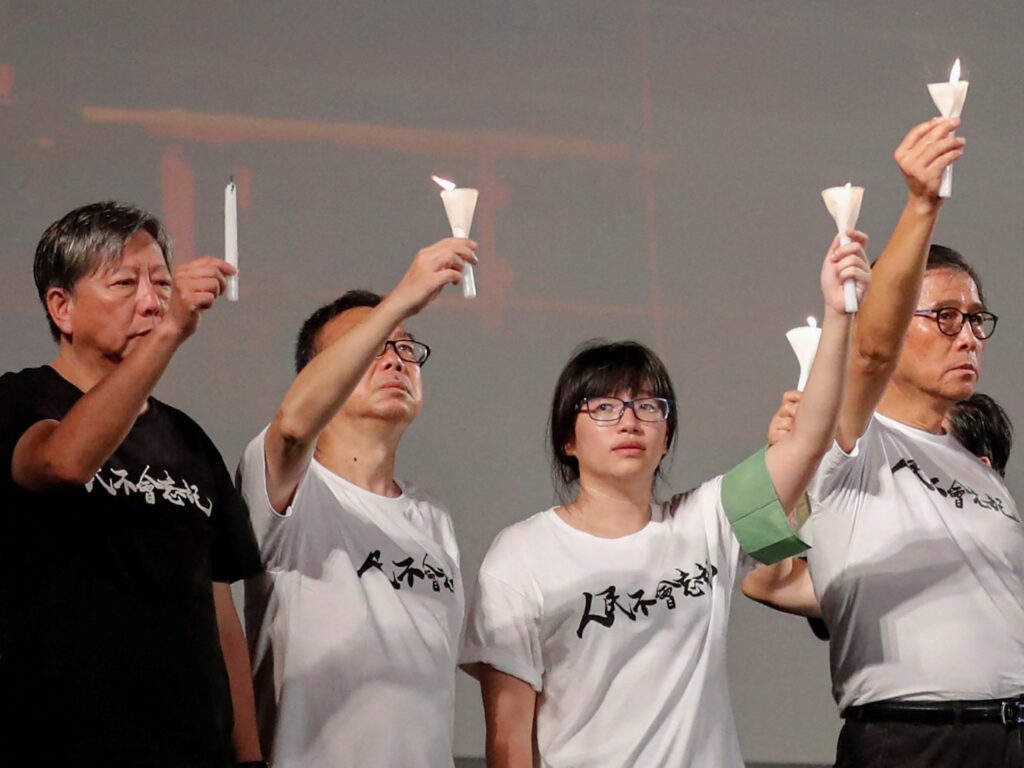
In recent developments, the organisers of Hong Kong’s annual Tiananmen Square vigil are facing imprisonment, a situation that has drawn international condemnation. These organisers have been accused and charged by authorities, leading to apprehension about the erosion of civil liberties in Hong Kong. The Tiananmen vigil, held every year on June 4th, commemorates the 1989 crackdown in Beijing, an event that remains a sensitive and heavily censored topic in mainland China.
Historically, Hong Kong was one of the few places in China where public commemorations of the Tiananmen massacre were permitted. It became a symbol of the city’s relative freedoms, contrasting with the mainland’s strict control over historical narrative. However, in recent years, particularly following Beijing’s increased influence over Hong Kong’s governance, space for dissent has dramatically shrunk. The imprisonment threat to vigil organisers is seen as a stark sign of this crackdown.
Amnesty International, a global human rights NGO, has strongly responded to this situation, urging for the immediate and unconditional release of all individuals detained in connection with the vigil. In a statement, Amnesty highlighted the importance of upholding freedom of expression and peaceful assembly, rights that are enshrined in international human rights law.
The charges against the organisers are related to public assembly laws that authorities argue were violated during the vigil. However, critics accuse the government of using these laws as tools to suppress political dissent and silence those who remember and speak out about Tiananmen.
This situation has reignited concerns about the future of Hong Kong’s autonomy, especially under the “one country, two systems” framework that was supposed to guarantee a high degree of independence until 2047. The imprisonment of vigil organisers is viewed by many as a breach of the promises made during the 1997 handover from Britain to China.
Locally, the sentiment among Hong Kong residents is mixed but increasingly wary as the space for public protest narrows. For decades, the vigil has served as a powerful reminder of the push for democracy and human rights within Chinese society.
Internationally, governments and human rights organizations are watching closely. There have been calls for diplomatic pressure on Beijing to respect Hong Kong’s freedoms and to protect the rights of citizens who engage in peaceful commemoration and protest.
The case of Tiananmen vigil organisers in Hong Kong thus embodies broader tensions between democratic freedoms and authoritarian control in the region. As they face imprisonment, their plight symbolizes the ongoing struggle for human rights and the preservation of historical memory amid an increasingly restrictive political environment.
The global community awaits further developments, hoping for a resolution that respects fundamental human rights and upholds the legacy of those who have suffered for the cause of democracy and freedom in China.