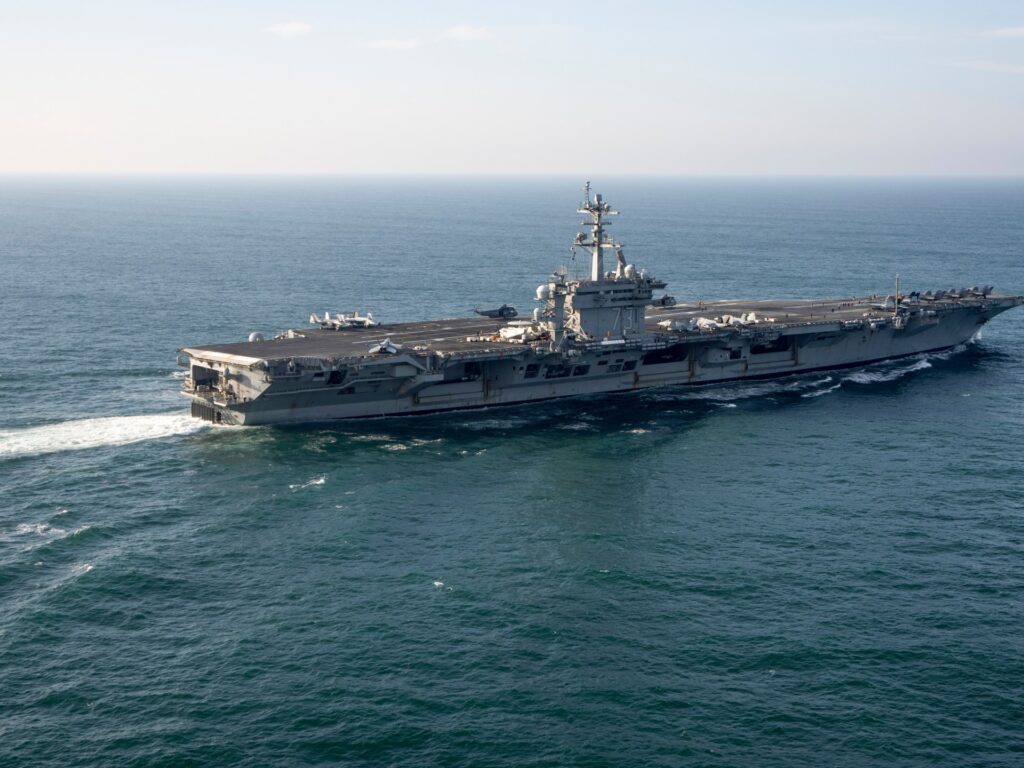
Recent decisions by the Trump administration to reposition US military assets in preparation for potential conflict with Iran have raised alarms among America’s allies in Asia. These partners, while supportive of America’s commitment to international security, express growing concern over the implications of shifting forces away from the Asia-Pacific region.
The crux of the unease lies in the perceived impact on the US’s ability to deter China, a dominant regional power whose strategic ambitions have been well documented. Despite assurances that the majority of US forces will remain stationed in Asia, allies fear that the redeployment might weaken the overall military presence and response capability in the region.
Asian allies emphasize the importance of a robust and sustained US military posture in deterring Chinese expansionism and maintaining regional stability. The shift of assets towards the Middle East in response to heightened tensions with Iran could be interpreted by China as an opportunity to advance its strategic objectives unopposed.
This development comes at a time when the US is engaged in complex security challenges globally. The Iranian situation, marked by escalating tensions and potential for conflict, demands increased military readiness in the Middle East. However, balancing this need with commitments in Asia remains a delicate task.
US officials have reassured partners that the military redeployments are temporary and targeted specifically at countering Iranian threats. They stress that the US remains fully committed to its alliances in Asia and will continue to provide the necessary support to counter any aggression from China.
Nonetheless, regional governments are reviewing their defense strategies in light of these changes. Some are considering bolstering their own military capabilities or seeking alternative security arrangements to hedge against potential gaps in US support.
Analysts note that the situation underscores the challenges inherent in the US’s global military posture. Managing multiple theaters of operation requires careful allocation of resources and clear communication with allies to maintain confidence and cooperation.
The evolving geopolitical landscape in Asia, combined with the unpredictable nature of the Iran conflict, creates a complex security environment. Allies urge Washington to maintain transparency about its strategic intentions and to consider the wider regional implications as it navigates these military decisions.
In conclusion, while the US’s efforts to address threats from Iran are necessary, its allies in Asia remain vigilant and concerned about the possible repercussions on regional security. Maintaining a balance between these competing priorities will be critical for sustaining US influence and ensuring stability across both regions.