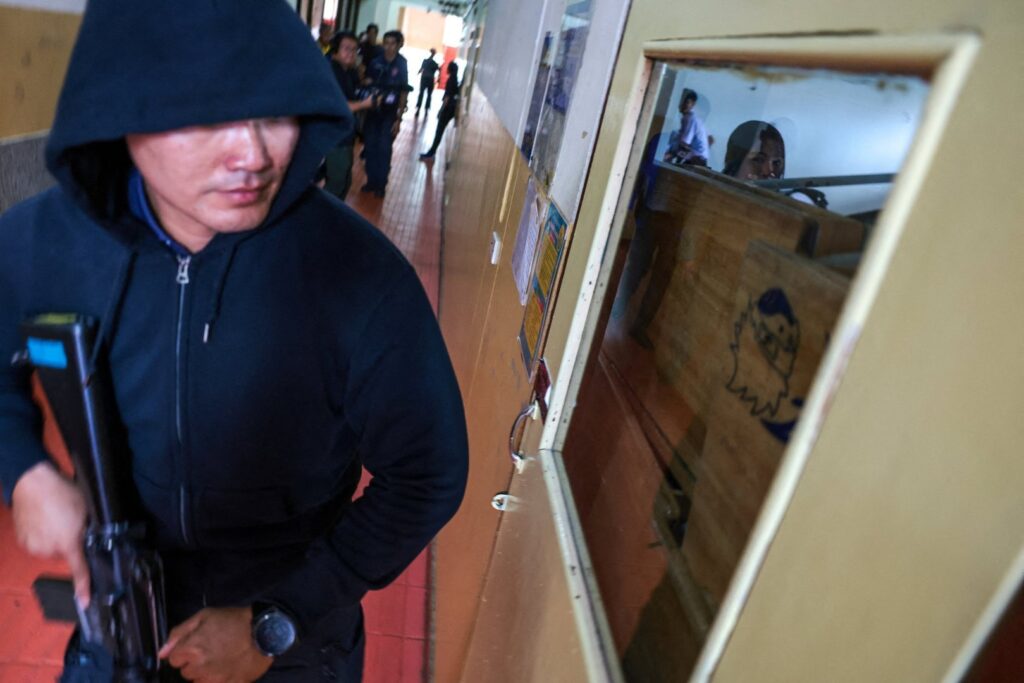
In response to a recent deadly attack, schools across Thailand have begun conducting active shooter drills to enhance student safety and awareness. These drills are designed to prepare students and staff for potential violent incidents, focusing on quick response, evacuation, and protective measures. The shocking attack, which has raised concerns about school security nationwide, has prompted educational authorities to prioritize crisis preparedness.
The drills involve simulated scenarios where students are taught to follow specific safety protocols, including lockdown procedures, situational awareness, and communication during emergencies. Teachers and administrative staff receive training to manage these situations calmly and effectively, ensuring that panic is minimized during a real threat.
Parents and communities have shown mixed reactions; while some express relief at the proactive steps, others worry about the psychological impact such drills may have on children. Psychologists recommend that drills be conducted with care, providing support and explanations to help students understand the purpose without inducing fear.
The government has pledged to increase funding for school security measures, including installing surveillance cameras, employing security personnel, and enhancing communication systems within school campuses. Collaboration between law enforcement agencies and educational institutions has been strengthened to facilitate rapid response and coordination during emergencies.
Experts emphasize the importance of regular drills to build muscle memory and ensure readiness. Lessons learned from recent incidents globally have informed the structure and content of these drills, focusing not only on immediate safety but also on post-incident recovery and mental health support.
Schools participating in the drills report increased confidence among staff and students in handling potential threats. These initiatives aim to create a safer educational environment and demonstrate Thailand’s commitment to protecting its youth from violence.
The active shooter drills represent a significant shift in school safety culture in Thailand, highlighting the need for vigilance and preparedness in an era where such incidents, though rare, pose serious risks. Authorities continue to monitor the effectiveness of the drills and seek feedback to improve their implementation.
As Thailand moves forward, the focus remains on balancing safety, awareness, and the psychological well-being of students while fostering an environment conducive to learning and growth. The recent measures stand as a testament to the country’s resolve in safeguarding its educational institutions and ensuring that every student can learn without fear.