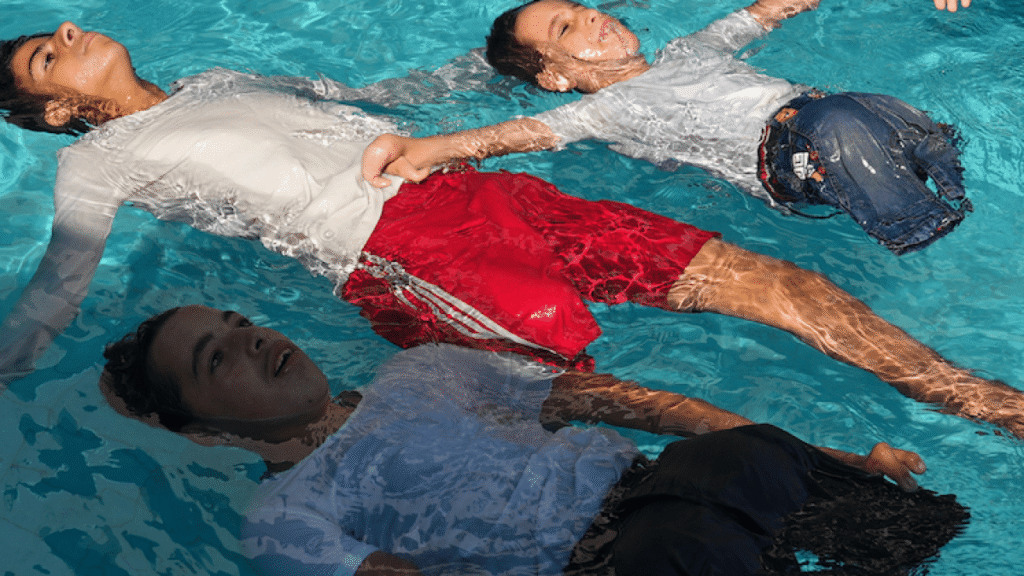
In the aftermath of the recent conflict in Gaza, a unique initiative has emerged to help children who have lost limbs rebuild their confidence and regain mobility. These young amputees, victims of the war between Israel and Gaza, are participating in a specialized swimming program designed to assist their physical and emotional rehabilitation.
The program focuses on teaching swimming to children who have experienced traumatic limb loss during the violence. Swimming offers a safe and therapeutic environment where these children can learn to move independently and strengthen their bodies. For many, this activity marks the first step toward reclaiming their autonomy and joy after devastating injuries.
Organizers of the program emphasize the importance of physical activity in healing both the body and mind. Swimming not only builds muscle strength but also improves cardiovascular health and coordination, which can be challenging for amputees. Moreover, the water provides buoyancy, reducing strain on their bodies and allowing for movements that might be difficult on land.
Beyond physical benefits, the swimming lessons serve a critical role in boosting self-esteem. Children who have undergone traumatic experiences often face psychological hurdles including fear, anxiety, and feelings of isolation. By engaging in group activities like swimming, they find camaraderie and encouragement among peers experiencing similar challenges.
Local health professionals and therapists are involved in tailoring the aquatic sessions to meet each child’s specific needs and abilities. Customized support ensures the children can safely navigate the pool and practice movements adapted to their physical condition.
Family members of the participants report noticeable improvements in their children’s mood and confidence since joining the program. Many express hope that learning to swim will open doors to future opportunities and help their children integrate more fully into society despite their disabilities.
The program also sheds light on the broader consequences of the conflict in Gaza, highlighting the long-term impact on civilian lives, especially vulnerable children. It underscores the critical need for humanitarian aid and rehabilitation services in war-affected regions.
While the swimming lessons provide immediate relief and rehabilitation, organizers stress the necessity for comprehensive medical care, psychological support, and infrastructure development to support amputee children in Gaza.
Efforts like this swimming program demonstrate resilience and the human capacity to adapt and thrive even in the face of profound tragedy. As these young swimmers take to the pool, they symbolize hope and the possibility of a brighter future despite the scars of war.