The longstanding alliance between South Korea and the United States, which has endured for 72 years, is facing significant strain amid escalating tensions related to the Iran dispute during Donald Trump’s presidency. A key point of concern has been Trump’s order to scale back joint military drills between the US and South Korea, a move that has rattled Seoul and revived serious doubts about the reliability of US security guarantees.
For decades, South Korea has depended heavily on the United States’ military presence and security assurances to deter aggression, particularly from North Korea. The alliance, deeply rooted after the Korean War armistice in 1953, has been a pillar of South Korea’s defense strategy and regional stability in East Asia.
However, during Trump’s administration, US foreign policy witnessed a notable shift, particularly with a more transactional approach to alliances and a focus on reducing American military commitments abroad. Trump’s decision to reduce military exercises was framed as a cost-saving measure and an effort to de-escalate tensions with North Korea, but it sparked anxiety in Seoul.
South Korean officials expressed alarm at the reduction of military drills, fearing it might undermine their preparedness and send the wrong signal to adversaries. The military exercises not only serve as vital training opportunities but also as a demonstration of the US-South Korea alliance’s strength and deterrence power.
The dispute involving Iran further complicated this context. Trump’s aggressive stance on Iran, including sanctions and military pressure, escalated global tensions, raising concerns about the US’s ability to simultaneously maintain focus in multiple regions. For South Korea, reliant on US leadership and protection, these distractions heightened fears of neglect or abandonment.
South Korean analysts and policymakers began to openly question the reliability of US security commitments under Trump’s leadership, marking a rare moment of public doubt in a historically strong alliance. This skepticism was fueled by Trump’s inconsistent messaging and abrupt policy reversals.
The impact of these developments extended beyond military concerns. Economically and politically, South Korea found itself reassessing its strategic options, including bolstering its own defense capabilities and exploring deeper regional partnerships.
In response, US officials attempted to reassure their South Korean counterparts by reaffirming the commitment to mutual defense under the existing security treaties. They emphasized that any reductions in military drills did not equate to a reduction in security guarantees.
Despite these assurances, the episode left a lasting impression on the alliance. South Korea began investing more in its indigenous military technology and considering more independent defense postures. It also spurred greater regional diplomacy, including closer ties with other powers in East Asia.
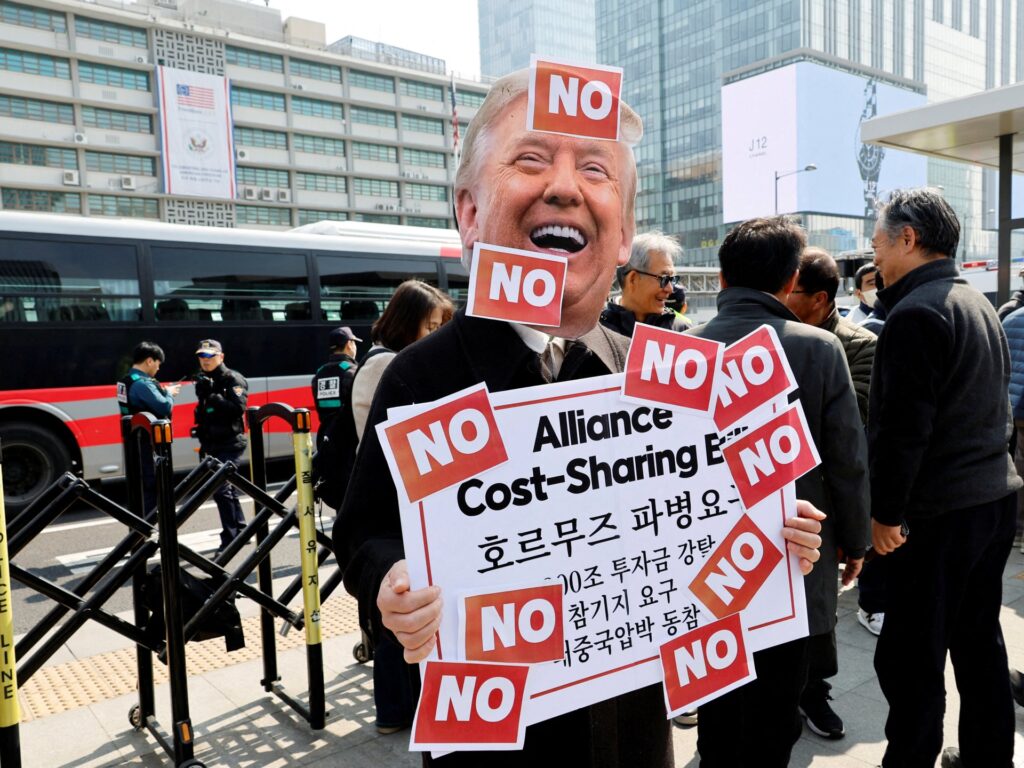
The South Korean public also became more vocal about national security concerns, reflecting a broader unease about the changing nature of global alliances and US engagement in Asia.
Looking forward, the US-South Korea alliance faces a critical juncture. While the foundation remains strong, the Trump-era tensions underscored vulnerabilities and the need for adaptation in an evolving geopolitical landscape.
As South Korea navigates these challenges, the alliance’s future will likely depend on renewed trust, strategic communication, and a shared commitment to maintaining regional security amid shifting global dynamics.
This pivotal moment serves as a reminder of the complexities in balancing international relations, defense commitments, and the unpredictable nature of political leadership affecting decades-long partnerships.