In a significant international development, the Organization of American States (OAS) has voted nearly unanimously to convene an emergency meeting in response to the escalating political crisis in Nicaragua. This move comes on the heels of the Nicaraguan government’s recent actions to extend President Daniel Ortega’s rule and prevent political rivals from participating in upcoming elections.
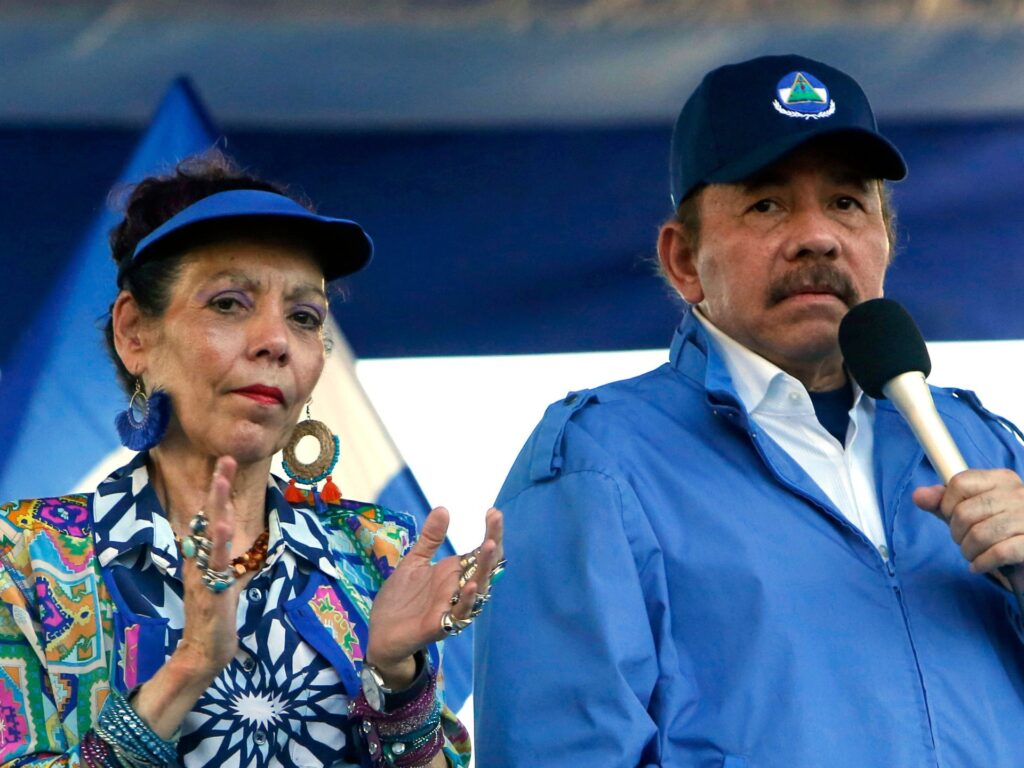
President Ortega’s administration has been accused of undermining democratic processes by altering electoral laws and sidelining opposition candidates. The decision to extend Ortega’s tenure and restrict electoral competition has drawn widespread condemnation from international observers and human rights organizations, who view these actions as a direct threat to democracy in the region.
The OAS meeting aims to address these concerns and seek ways to restore democratic norms in Nicaragua. Delegates from member states are expected to discuss potential sanctions and diplomatic measures to pressure the Nicaraguan government to reverse its recent policies. The near-unanimous vote highlights the gravity with which the international community views the situation.
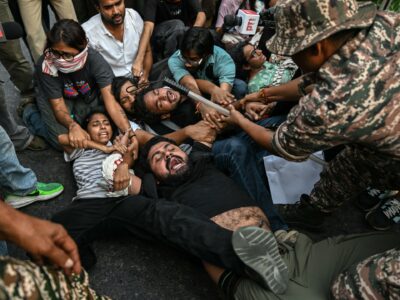
Nicaragua’s political turmoil has intensified since President Ortega’s controversial re-election, with opposition groups facing increasing repression. The barring of rivals from the electoral process has raised fears of a de facto one-party state, undermining the legitimacy of the upcoming elections scheduled later this year.
The emergency session by the OAS represents an urgent call for dialogue and intervention, emphasizing the need to uphold democratic principles and the rule of law. It also signals solidarity among American states against authoritarian tendencies that threaten regional stability.
International leaders have expressed concern over Nicaragua’s trajectory, with some calling for coordinated efforts to support civil society and promote free, fair elections. The outcome of the OAS meeting could set important precedents for how the region responds to democratic backsliding.
As Nicaragua faces increasing isolation due to its actions, the role of international organizations like the OAS becomes crucial in mediating the crisis. The emergency meeting could pave the way for renewed pressure on the Nicaraguan government to engage in meaningful political reforms.
In summary, the OAS’s decision to hold an emergency meeting underscores the critical juncture at which Nicaragua stands, with regional and global implications for democracy and governance. The international community awaits the decisions and declarations from the upcoming session, hopeful for steps that restore democratic order and offer hope to the Nicaraguan people.