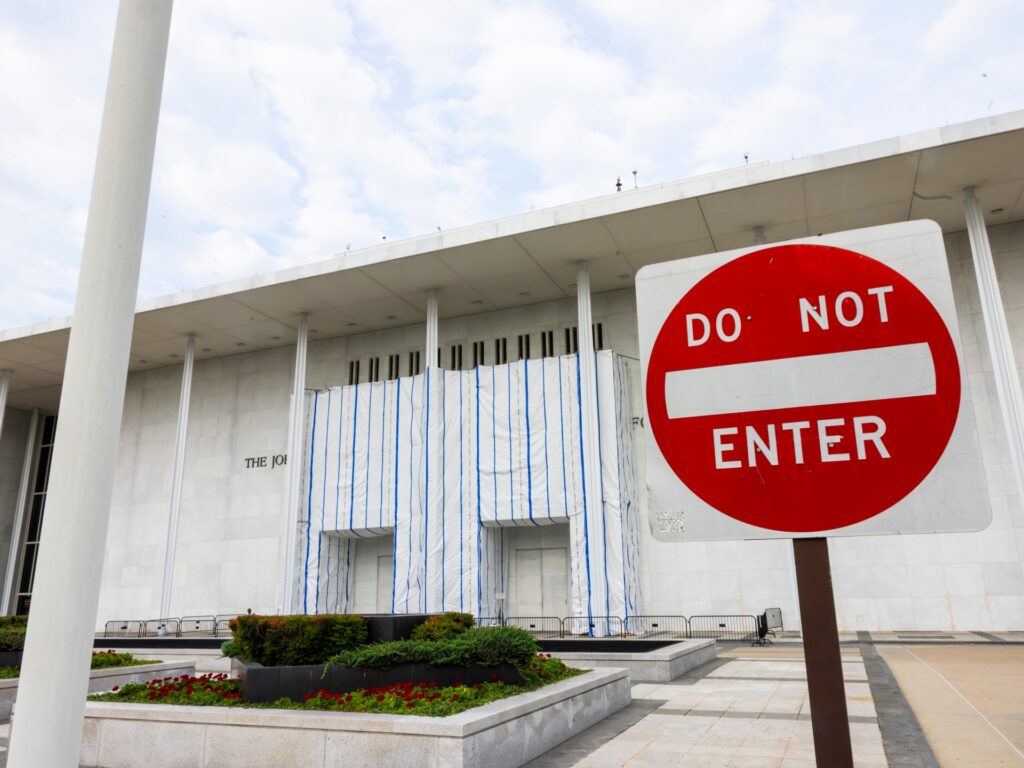
The Kennedy Center board has announced that it will not immediately restore former President Donald Trump’s name to its building, despite ongoing debates and legal pressures. This decision comes after a court order mandated the removal of Trump’s name from the venue, a directive that has sparked significant controversy among supporters and opponents alike.
The board’s cautious approach reflects the complex legal and public relations challenges involved in the issue. Critics argue that the Kennedy Center appears to be deliberately defying the court’s order by not promptly reinstating the name. These opponents believe that the venue’s hesitation undermines the legal process and sets a concerning precedent for compliance with judicial rulings.
Supporters of the delay contend that the Kennedy Center must carefully consider all implications before making a final decision. The name’s removal and potential restoration involve not just legal considerations but also the cultural and political significance attached to the institution and its identity.
This ongoing dispute highlights the broader national conversation about the legacy of political figures and the symbolic meanings imbued in public spaces. The Kennedy Center, as a prominent cultural institution, has become a focal point for these discussions.
The decision not to rush the restoration indicates the board’s intent to navigate this issue with due diligence and respect for the complexities involved. It remains to be seen how the court will respond to the board’s position and what future developments will arise from this contentious matter.
In sum, the Kennedy Center board’s stance marks a moment of significant deliberation amid public and legal pressures, reflecting the ongoing tensions over how history and politics intersect in public commemorations.