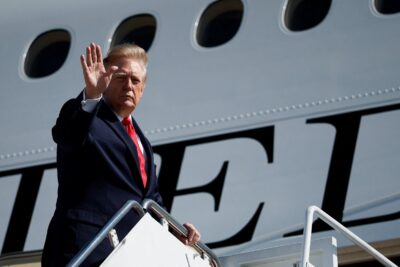
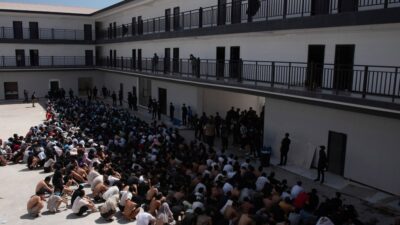
The escalating conflict between the United States and Iran has far-reaching consequences that extend beyond the Middle East, significantly impacting education in countries like Cambodia. As geopolitical tensions rise, the ripple effects of warfare and economic sanctions are threatening the education of countless children in Cambodia.
Cambodia, a developing nation with limited resources, relies heavily on foreign aid to sustain its education system. The US war on Iran has led to the diversion of funds and international attention from critical global issues, including education development programs. This diversion has resulted in reduced financial aid and support for Cambodia’s schools, jeopardizing the quality and accessibility of education for many young learners.
The conflict has also driven a global economic downturn, exacerbated by rising oil prices and disrupted supply chains caused by sanctions on Iran. These economic strains have increased poverty levels in Cambodia, forcing many families to prioritize basic survival needs over schooling. Children are being pulled out of school to help support their families, leading to higher dropout rates and diminished educational opportunities.
Moreover, humanitarian organizations that typically operate in Cambodia face operational challenges due to decreased funding and global resource reallocation towards conflict zones. This reduction in aid hampers efforts to provide educational materials, build infrastructure, and train teachers, further undermining the education sector.
The indirect effects of the US-Iran conflict highlight the interconnectedness of global affairs, underscoring the vulnerability of children’s education in distant regions when geopolitical conflicts arise. Without urgent international cooperation and renewed focus on education funding, the future prospects of Cambodian children may be severely compromised.
Experts warn that continued instability and reduced educational investment could halt progress Cambodia has made in recent decades toward universal education and literacy. Cambodia’s government has made strides in increasing school enrollment, but sustained external support is crucial for maintaining and improving education quality.
Children’s education in Cambodia is not just an isolated issue but part of the broader global development agenda. As long as conflicts like the US war on Iran persist, their indirect victims continue to multiply, stretching beyond borders to impact vulnerable communities worldwide.
In conclusion, the ongoing US-Iran conflict is a stark reminder of how distant geopolitical struggles can have unintended, devastating effects on children’s education in countries like Cambodia. It calls for a more holistic approach to international policy that considers the wider humanitarian implications and prioritizes education as a fundamental pillar of global stability and development.