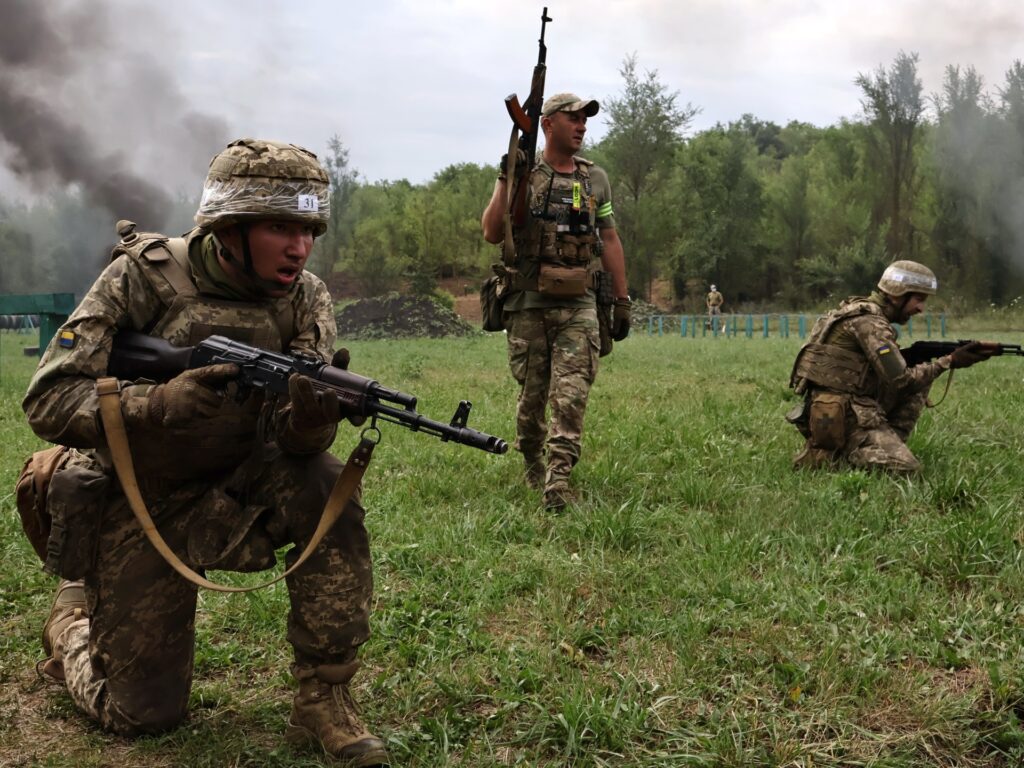
In recent months, Ukraine has witnessed a sharp escalation in forcible military recruitment efforts, which have increasingly devolved into violent confrontations. This troubling development is deeply linked to the rise of “busification,” a coercive practice described as individuals being seized directly off the streets and forcibly conscripted into military service.
The term ‘busification’ has entered the local lexicon as a descriptor of this alarming practice whereby individuals are apprehended in public spaces, often without prior notice or legal procedure, and transported by bus to military facilities to serve mandatory or emergency enlistment.
This practice has been widely criticized for its association with abuse and corruption. Numerous reports have detailed instances where those apprehended have been mistreated, subjected to unlawful detainment, or pressured into service under duress. These actions have spurred significant public outcry and raised serious concerns about human rights violations.
Corruption has been cited as a significant factor fueling ‘‘busification.’’ In several cases, military officials and recruits have alleged the presence of bribery, nepotism, and illicit deals that undermine the fairness and transparency of the recruitment process. Such corruption not only erodes public trust but also compromises the integrity and effectiveness of Ukraine’s military forces.
The Ukrainian government, caught between the pressing need to mobilize forces in the context of ongoing conflicts and the imperative to uphold rule of law and human rights, faces a daunting challenge. Efforts to regulate and monitor recruitment practices have been implemented, but enforcement remains inconsistent and problematic.
Civil society organizations and human rights advocates have stepped forward to document abuses and provide support to those affected by involuntary conscription. They call for urgent reforms, including the establishment of independent oversight mechanisms, clear legal frameworks governing recruitment, and enhanced protections for individual rights.
International observers have also expressed concern about the situation, emphasizing the need for Ukraine to adhere to international human rights standards amidst its security challenges. They recommend dialogue between government officials, military command, and civil organizations to find balanced solutions that respect both national security needs and human dignity.
The escalation of forcible recruitment and the spread of busification highlight the complex intersection of security, governance, and human rights in Ukraine. As the country continues to navigate through a turbulent geopolitical landscape, addressing these issues transparently and justly will be crucial to maintaining social cohesion and international support.
The ongoing situation remains fluid, with calls for de-escalation of violent practices and increased accountability echoing from various segments of Ukrainian society. The hope remains that through concerted efforts and reform, the cycle of abuse and corruption will be broken, paving the way for a more just and effective military recruitment system in Ukraine.