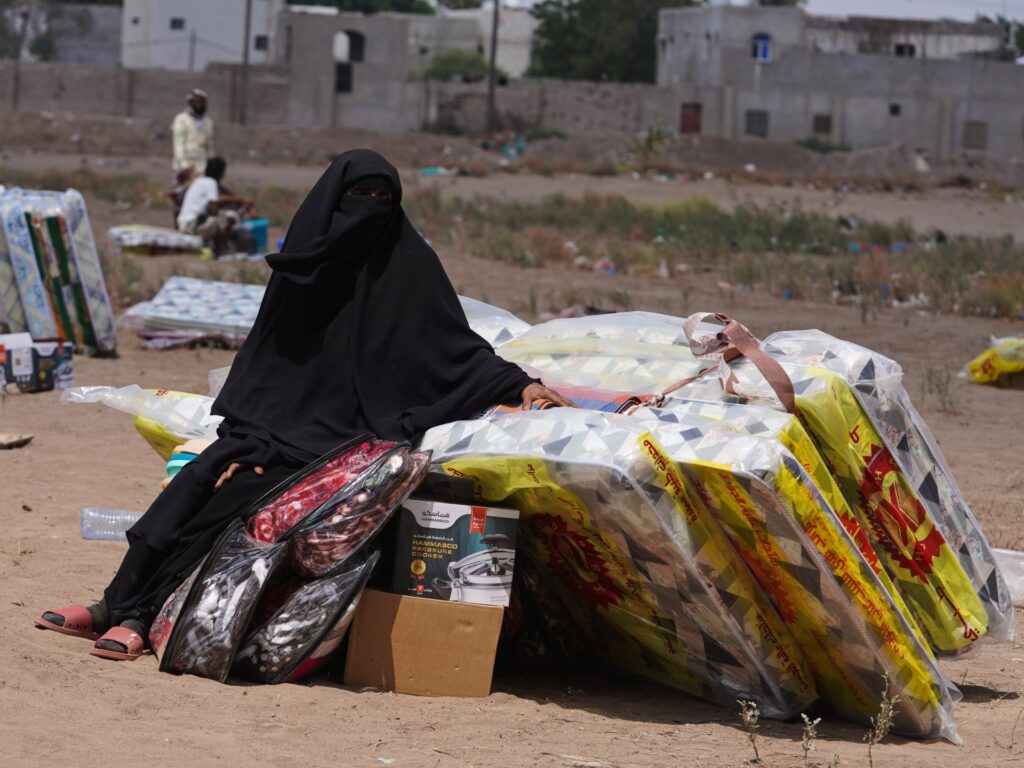
Yemen is currently grappling with a significant surge in cholera cases as ongoing conflict intensifies health and sanitation crises within the country. According to the World Health Organization (WHO), Yemen has reported a total of 8,034 suspected cholera cases so far this year, with 27 confirmed deaths. Alarmingly, approximately one-quarter of these cases have been recorded in just the past four weeks, indicating a rapidly escalating public health emergency.
The country’s fragile health infrastructure, severely weakened by years of conflict, has struggled to cope with the outbreak. Cholera, a waterborne disease caused by the bacterium Vibrio cholerae, thrives in contexts where access to clean water and sanitation is limited—conditions that have deteriorated drastically in Yemen amid ongoing fighting.
Healthcare facilities face shortages of essential supplies, including rehydration fluids and antibiotics needed to treat the disease. Moreover, disruptions in water and sanitation services have exacerbated the spread of cholera, with many communities lacking access to clean drinking water or proper sewage disposal.
Children and vulnerable populations are particularly at risk, with malnutrition further increasing susceptibility to infection and worsening health outcomes.
The WHO and international humanitarian organizations are intensifying efforts to contain the outbreak, including deploying medical teams to affected areas, distributing treatment supplies, and improving water and sanitation infrastructure where feasible.
However, the escalating conflict complicates these interventions, limiting access to certain regions and increasing the risk to healthcare workers on the ground.
Experts warn that without urgent, coordinated action, the cholera outbreak could continue to spread rapidly, causing more illness and death, and placing additional strain on Yemen’s beleaguered healthcare system.
The situation underscores the broader humanitarian crisis in Yemen, highlighting the critical need for peace and stability to enable effective health interventions and prevent further loss of life from preventable diseases.
International calls for ceasefire and increased health aid are growing, as the world watches closely and hopes for a resolution that will allow Yemen’s people to begin recovering from this devastating public health emergency.