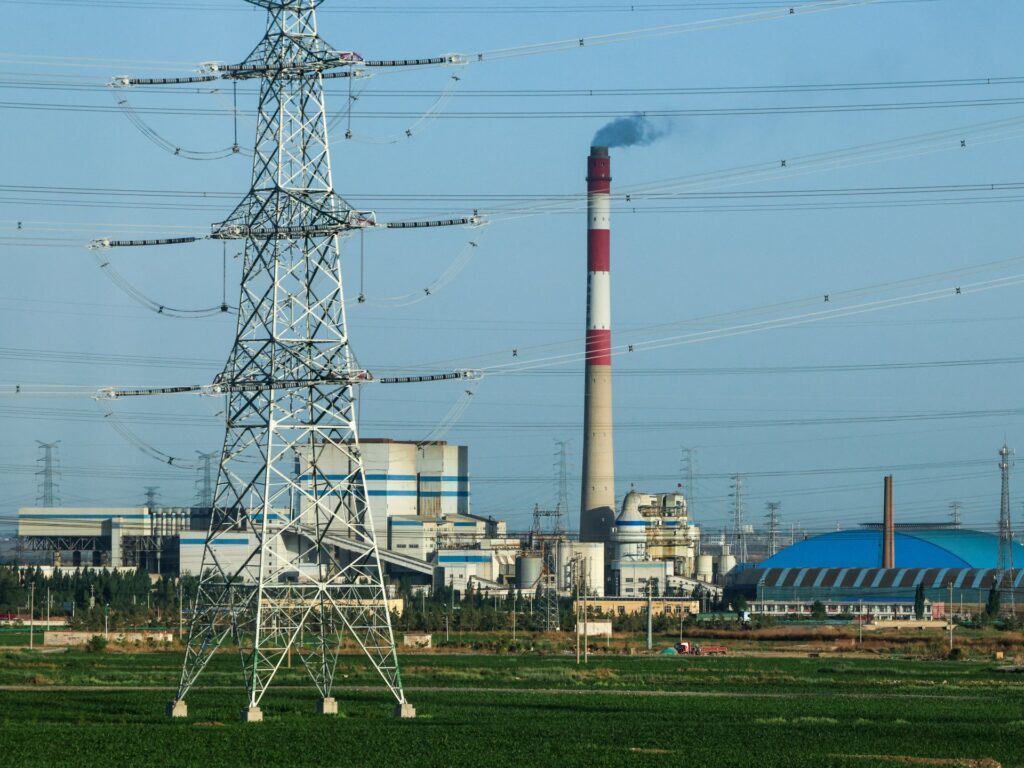
Coal companies from South Africa to Australia are reporting unprecedented profit surges due to geopolitical tensions stemming from the ongoing Iran war. As conflicts disrupt oil and gas supplies, energy markets have seen a notable shift back toward coal, traditionally considered a low-cost, high-emission fossil fuel. This trend has invigorated coal companies, resulting in higher revenues and attractive stock performances.
The Iran war has exposed vulnerabilities in global energy supply chains, particularly affecting crude oil production and natural gas exports. With several nations seeking to reduce dependency on Middle Eastern oil, demand for alternative energy sources has temporarily spiked. Coal, despite its environmental drawbacks, has filled the gap in energy generation as many coal-fired power plants remain critical backbones in numerous economies.
South Africa, one of the world’s major coal exporters, has experienced a boon in coal prices, driving substantial increases in earnings for mining firms. Similarly, Australia’s coal industry is benefiting from heightened demand in Asia and Europe, where energy security concerns prompt a pivot back to coal-based electricity generation.
Analysts caution, however, that this short-term profitability does not negate the long-term trajectory toward clean energy transition. The global commitment to reducing carbon emissions under the Paris Agreement and national renewable energy targets still propels investments in solar, wind, and other sustainable technologies.
The current coal profit surge is seen as a transient anomaly triggered by geopolitical instability rather than a reversal of global climate policy trends. Energy experts emphasize that while coal demand has momentarily increased, the overall market momentum favors decarbonization and cleaner alternatives.
Governments and environmental groups urge caution against over-reliance on coal, highlighting the urgent need to accelerate renewable adoption and energy efficiency improvements. The surge offers a stark reminder of the complex interplay between geopolitics and energy security but also the pressing necessity for resilient, sustainable energy systems.
In conclusion, while coal companies benefit financially from the Iran war-related disruptions, the global clean energy transition remains firmly on course. Short-term market fluctuations underscore the energy sector’s volatility but also reinforce the essential priority of moving toward a sustainable and secure energy future worldwide.