The Ebola outbreak in the Democratic Republic of Congo (DR Congo) has been declared a global emergency by the World Health Organization (WHO) as the number of infections surpasses 5,000. This alarming milestone highlights the severity and rapid spread of the virus within the country and raises significant concerns for public health on a global scale.
WHO officials have emphasized that despite ongoing efforts, new chains of Ebola transmission continue to be identified. This ongoing detection underscores the complexity of interrupting the virus’s spread and the challenges faced by health authorities in containing the outbreak. Officials warn that breaking these chains is essential to halt the progression of the disease and protect vulnerable populations both within DR Congo and internationally.
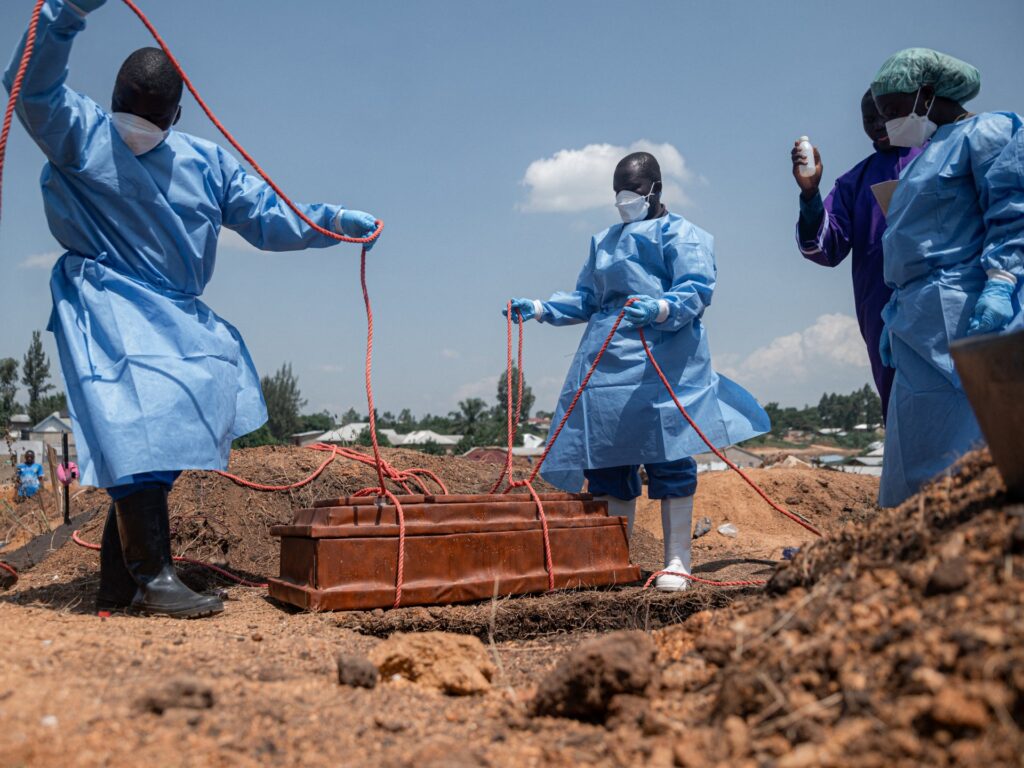
The Ebola virus, known for its high fatality rate, primarily spreads through direct contact with bodily fluids of infected individuals or contaminated materials. The outbreak in DR Congo represents one of the largest crises involving the virus in recent history, compounded by the country’s logistical challenges and periods of conflict.
The global emergency declaration serves to mobilize international resources, increase funding, and strengthen cross-border coordination to combat the epidemic. WHO and its partners are intensifying efforts to deploy medical personnel, provide critical supplies such as vaccines and protective equipment, and enhance surveillance measures to track new cases rapidly.
Healthcare workers on the frontlines are encountering significant hurdles, including vaccine resistance in some communities, misinformation, and the difficulty of reaching remote or insecure areas. These obstacles complicate the effort to vaccinate at-risk populations and implement effective infection prevention and control programs.
The international community is urged to support DR Congo’s response by contributing to humanitarian aid, improving infrastructure, and fostering collaboration among neighboring countries to prevent the virus from spreading further beyond the region.
The declaration of a global emergency underscores the necessity of a unified global response to contain Ebola in DR Congo and prevent a potential wider outbreak. Vigilance, sustained commitment, and a comprehensive approach integrating medical, logistical, and social strategies will be critical to overcoming this public health crisis.
As the situation evolves, health authorities continue to monitor the outbreak, update guidance, and strive towards ending the epidemic, recognizing that the health and safety of populations worldwide depend on effective containment measures in DR Congo.