The ongoing debate over election integrity in the United States has recently taken a global perspective, with former President Donald Trump citing India’s voter ID system as a model to justify stricter voter identification laws in the US. Trump’s argument points to India’s use of voter identification cards as a means to safeguard the electoral process against fraud and ensure that only eligible voters participate in elections.
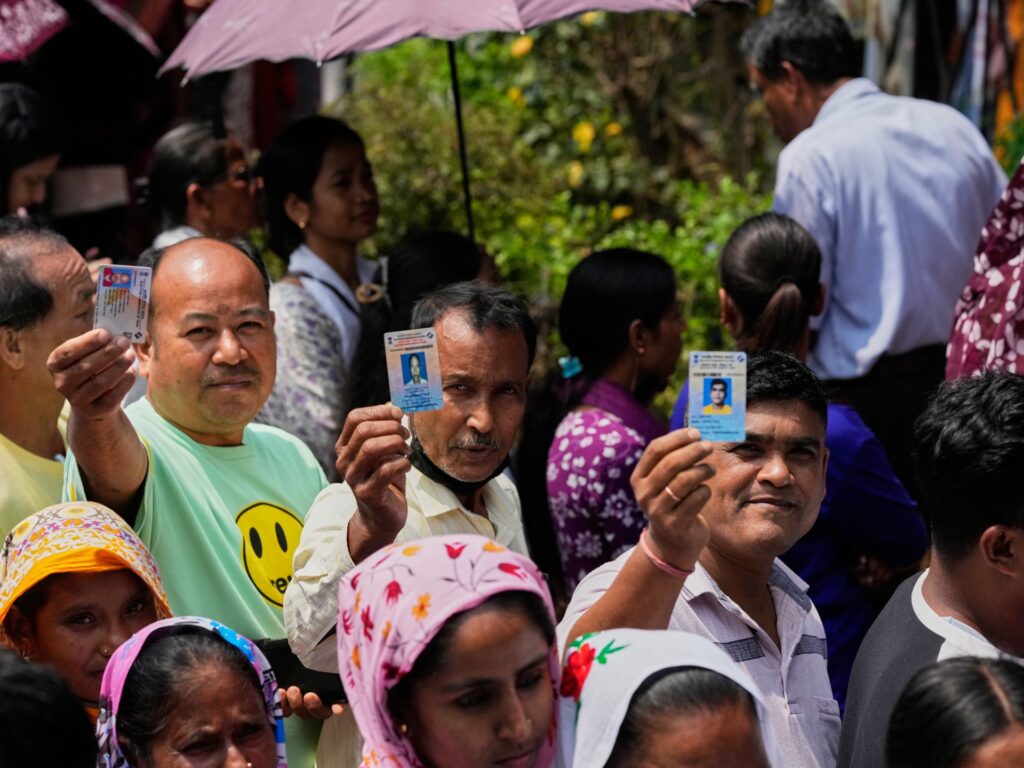
India’s voter ID system, known as the Elector Photo Identity Card (EPIC), is designed to verify the identity of voters in a country with over a billion people and a highly diverse electorate. The system is praised for its ability to reduce electoral fraud and maintain the integrity of elections across India’s vast and varied landscape.
However, the spotlight on India’s electoral process raises important questions about the cleanliness and fairness of elections in India, particularly under the leadership of Prime Minister Narendra Modi. Modi’s tenure has been marked by significant political shifts, with some critics alleging that electoral processes have faced challenges such as voter intimidation, media bias, and changes in electoral management.
Despite these criticisms, India’s Election Commission is often regarded as a robust institution that strives to maintain impartiality and fairness. The commission conducts elections using a comprehensive framework that includes voter ID verification, widespread monitoring, and strict enforcement of election laws. These measures help uphold the democratic process in a highly complex electoral environment.
The debate gains complexity when comparing India’s election system to the situation in the United States. While the US has been grappling with concerns about voter fraud and election security, the introduction of stricter voter ID requirements has sparked controversy over potential voter suppression and disenfranchisement of marginalized groups.
Trump’s invocation of India’s voter ID laws seeks to highlight a perceived effective strategy in maintaining election integrity, yet the context differs significantly between the two democracies. India’s challenges include managing an enormous electorate with diverse logistical and political issues, whereas the US faces different systemic challenges related to its electoral framework and voter demographics.
Experts caution that while voter ID laws can be a tool to enhance election security, they must be implemented with safeguards to prevent unjust exclusion of eligible voters. The Indian example offers lessons in logistical execution and the use of photo IDs, but it also reveals the complexities of ensuring truly free and fair elections amid political pressures.
In addition to voter IDs, India’s elections incorporate multiple layers of checks and balances, including extensive polling station coverage, electronic voting machines (EVMs) with voter-verifiable paper audit trails (VVPATs), and vigilant civil society participation. These components collectively contribute to the credibility of Indian elections, although ongoing scrutiny and reforms are necessary to address emerging challenges.
Overall, Trump’s reference to India’s voter ID system underscores a broader narrative about the global exchange of ideas on election integrity. While India offers an example of how voter identification can be managed effectively, the debate about election fairness remains pertinent both in India under Modi and in the broader context of the United States.
This discussion invites continued examination of how democracies can balance the need for secure elections with the imperative to ensure inclusive voter access. The Indian experience demonstrates both the potential benefits and the inherent challenges in administering elections that are both clean and representative in complex sociopolitical landscapes.
As election laws continue to evolve worldwide, the comparative study of different national systems like India’s provides valuable insights. It also reminds policymakers and citizens alike of the ongoing responsibility to safeguard democratic processes against threats while upholding the fundamental right to vote.