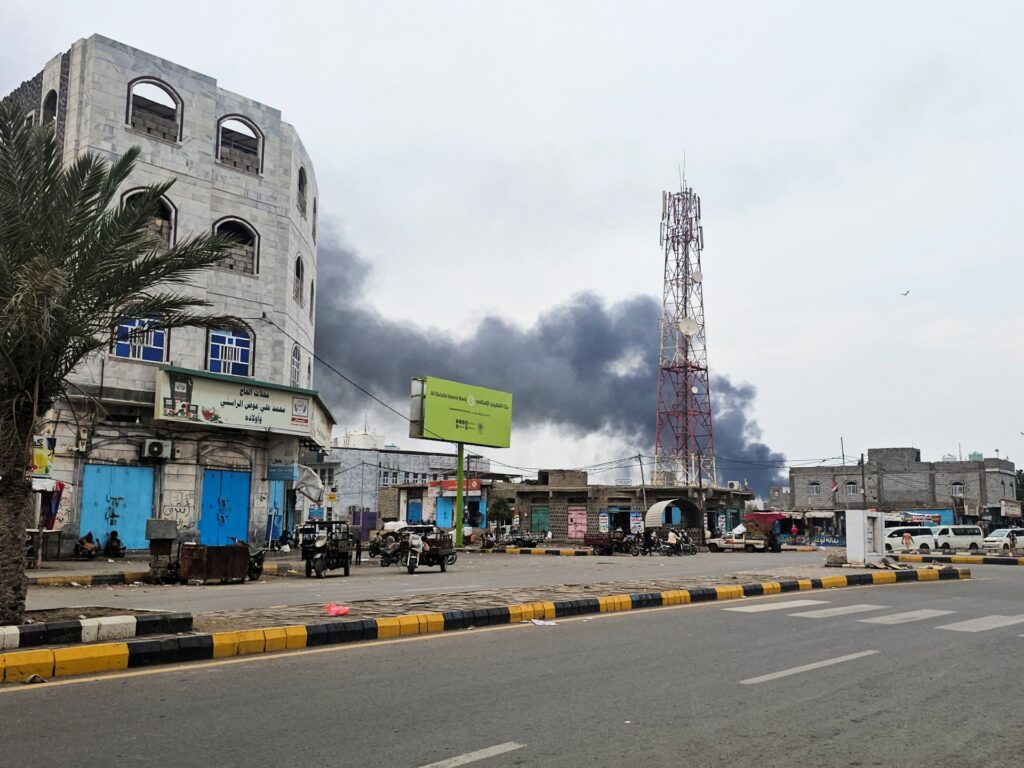
Yemen is currently witnessing a significant escalation in conflict as the internationally recognized Yemeni government intensifies its attacks against the Houthi rebels. This surge in violence has ignited fierce clashes across multiple fronts, signaling a potentially pivotal phase in the protracted Yemeni civil war.
The roots of the conflict trace back to 2014 when the Houthis, a Zaidi Shia-led religious-political movement, took control of Yemen’s capital, Sana’a, and much of the north, prompting the formation of a coalition led by Saudi Arabia to restore the government. Since then, the situation has devolved into one of the most severe humanitarian crises worldwide, with widespread famine, disease, and displacement.
Recent days have seen a marked increase in military operations by government forces seeking to reclaim territories held by the Houthis. The government, backed by Arab Coalition air support, has launched coordinated offensives targeting key Houthi strongholds. These attacks have included airstrikes, ground assaults, and artillery bombardments, focusing on strategic areas such as Marib, Taiz, and parts of the western coastal region.
The Houthis have responded with fierce resistance, engaging government forces in intensive battles, utilizing guerrilla tactics, and launching missile attacks into government-controlled regions. Reports indicate heightened casualties on both sides, alongside escalating civilian suffering.
International actors remain deeply concerned about the widening conflict. The United Nations and numerous humanitarian organizations have called for immediate cessation of hostilities to prevent further civilian toll and to allow aid delivery to those affected by the violence.
Analysts suggest that the Yemeni government’s escalated military campaign aims to consolidate control ahead of possible political negotiations. However, the conflict’s complexity, with its regional implications and involvement of foreign powers, complicates prospects for a swift resolution.
The next steps in this intensifying conflict are critical. Increased international diplomatic efforts may be necessary to bring both sides to the negotiation table. Continued fighting risks exacerbating the humanitarian disaster, with millions dependent on aid facing worsening conditions.
In summary, the Yemeni civil war has entered a precarious stage with the government amplifying attacks on the Houthi rebels. This escalation raises urgent questions about the future trajectory of Yemen’s fragile peace prospects and the potential for renewed diplomatic engagement to halt the spiraling violence and humanitarian crisis.