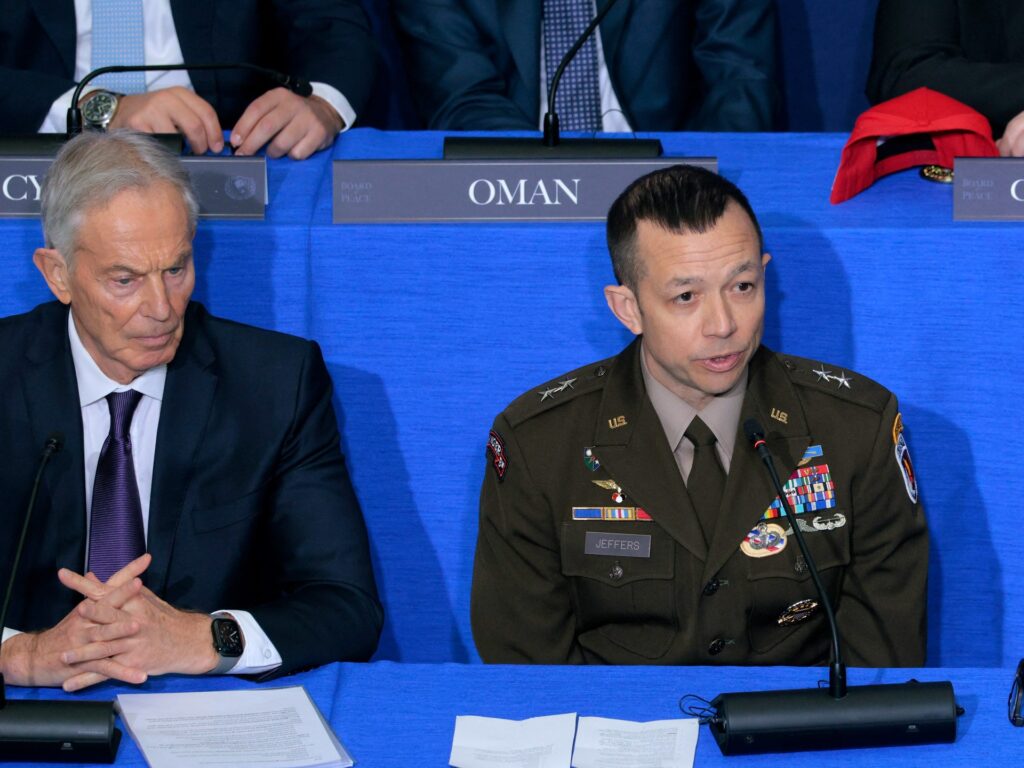
The Gaza working groups have emerged as key actors in the ongoing efforts to address the complex humanitarian and political situation in Gaza. These groups are typically composed of representatives from various international organizations, local Palestinian authorities, and donor countries, all coordinated to streamline aid delivery, development projects, and reconstruction efforts in the Gaza Strip.
### The Mandate of the Gaza Working Groups
The core mandate of the Gaza working groups revolves around facilitating and managing reconstruction and humanitarian aid, ensuring that efforts align with international laws and humanitarian principles. They aim to coordinate between different stakeholders to optimize the flow of resources and avoid duplication or political entanglement that could delay aid.
These groups prioritize rebuilding infrastructure destroyed in conflicts, such as homes, schools, hospitals, and public utilities, while also focusing on economic recovery and improving living standards for Gaza’s population. They also work on improving governance structures and promoting stability in the region through dialogue and cooperation between involved parties.
### New Development: Conditioning Reconstruction on Immediate Disarmament
Recently, a significant shift has been introduced by some members of these working groups and donor entities: they have begun conditioning reconstruction efforts on the immediate disarmament of militant groups in Gaza. This marks a departure from previous approaches that focused primarily on humanitarian needs without explicit preconditions.
The rationale behind this conditionality stems from a desire to reduce the cycles of violence and to ensure that reconstruction aid is not diverted toward military purposes. By linking reconstruction to disarmament, these groups aim to foster a sustainable peace environment that discourages future conflicts and promotes long-term stability.
### Implications of the New Policy
This new condition has sparked a complex debate. On one hand, proponents argue that disarmament is essential for genuine peace and security, making reconstruction efforts more likely to succeed and benefit the civilian population fully. They contend that this approach incentivizes militant groups to lay down arms in exchange for economic development and improved living conditions.
On the other hand, critics warn that tying reconstruction aid to disarmament may delay much-needed humanitarian assistance, exacerbate suffering among civilians, and complicate negotiations. They highlight the risk of politicizing aid and potentially alienating key actors necessary for peace.
### Operational Challenges
Implementing the disarmament condition poses significant challenges. Verification and enforcement mechanisms require robust cooperation, trust building, and transparent monitoring, which are difficult in Gaza’s fragmented political landscape. Additionally, the question of who will disarm and how disarmament will be achieved remains contentious, given the presence of multiple armed groups with varying objectives.
### Looking Forward
The Gaza working groups remain central to navigating these complex issues. Their evolving mandate reflects the changing political realities and the international community’s efforts to balance humanitarian concerns with security imperatives.
Understanding these developments helps stakeholders and observers alike grasp the dynamics shaping Gaza’s future. While reconstruction remains a critical goal, integrating disarmament efforts highlights the intricate link between peacebuilding and development in conflict-affected regions like Gaza.