In a significant development reflecting the tightening political landscape in Russia, the Supreme Court has upheld a ban on the opposition party Yabloko from participating in upcoming elections. This ruling marks a continuation of the Kremlin’s stringent measures aimed at curbing opposition voices ahead of the parliamentary elections set for September.
Yabloko, known for its liberal stance and criticism of the Kremlin, has faced increasing pressure over recent months. The Supreme Court decision effectively bars the party from contesting in the crucial parliamentary vote, significantly impacting the political arena by limiting the choices available to voters.
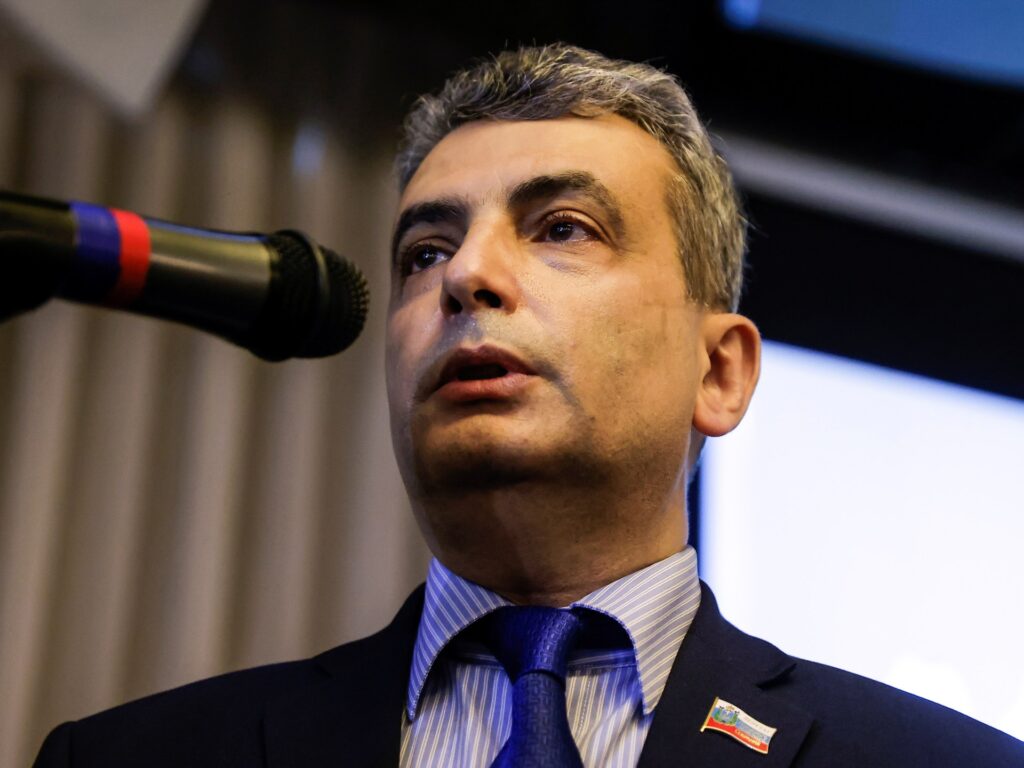
Adding to the political turmoil, the deputy head of Yabloko has been sentenced to jail, a move seen by many observers as part of a broader strategy to stifle dissent and weaken opposition parties. The imprisonment highlights the heightened risks faced by political figures challenging the current government.
The ban and the incarceration occur against a backdrop of tightening state control over political processes in Russia. Various opposition groups have reported systematic hurdles, including disqualification from elections, restrictive laws, and intimidation tactics aimed at limiting their influence.
Critics argue that these actions undermine democratic principles and concentrate power within the ruling establishment. The Kremlin, on the other hand, maintains that such measures are necessary for national security and stability.
The Yabloko party has expressed strong condemnation of the Supreme Court’s ruling and the imprisonment of its deputy head, claiming these steps are politically motivated to silence opposition ahead of the elections. Party representatives have vowed to continue their political activities despite these setbacks.
International reaction to the developments has been critical, with many governments and human rights organizations calling for the protection of political freedoms and the release of detained opposition figures. They warn that the erosion of political pluralism in Russia could lead to further isolation on the global stage.
As September approaches, the political environment in Russia remains highly charged. The exclusion of Yabloko from the elections could reshape the parliamentary landscape by consolidating the dominance of pro-Kremlin parties.
This series of events underscores the challenges faced by opposition parties in Russia and raises concerns about the future of electoral fairness and political diversity in the country. Observers will be closely watching how these dynamics evolve and their implications for Russia’s democratic processes.