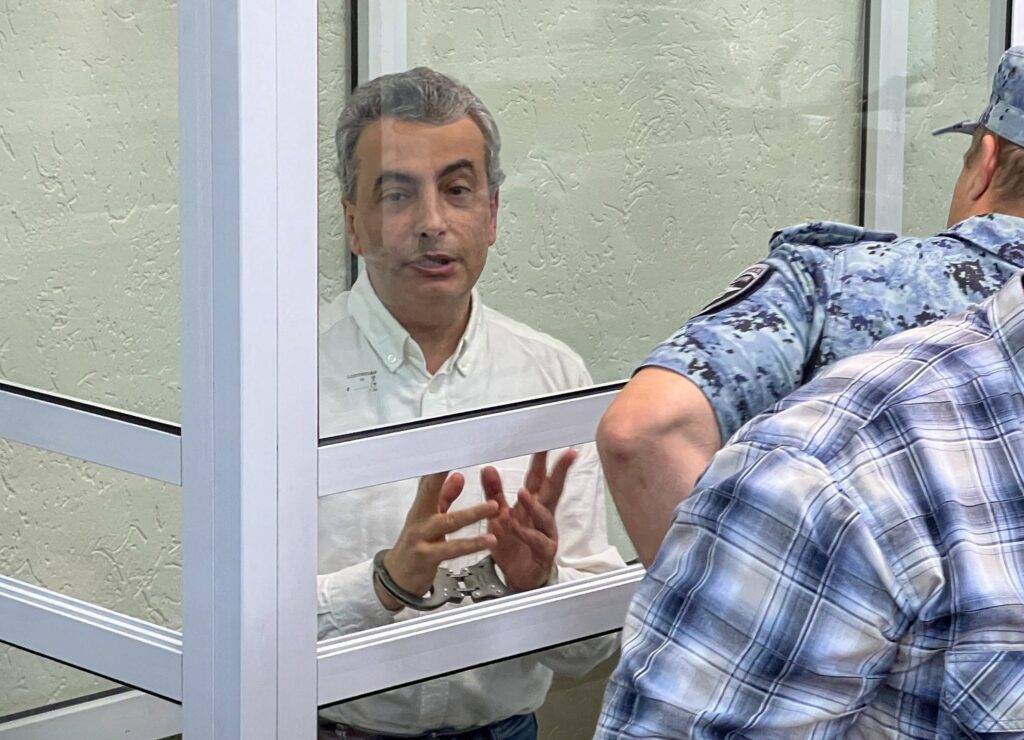
Lev Shlosberg, a prominent Russian politician and senior member of the opposition Yabloko party, has been sentenced to 11 years and one month in prison. The sentencing took place on Monday, marking a significant crackdown on political dissent in Russia amid ongoing tensions related to the war in Ukraine.
Shlosberg has been an outspoken critic of the Russian government’s actions in Ukraine, consistently voicing opposition to the military conflict. His conviction and harsh sentence are widely viewed as part of a broader effort by Russian authorities to silence and punish dissenting voices who challenge the official narrative around the war.
The Yabloko party, known for its liberal and pro-democracy stance, has seen increased pressure from the government in recent years. Shlosberg’s sentencing highlights the increasingly dangerous environment for political activists and opposition figures in Russia who advocate for peace and democratic reforms.
International observers and human rights organizations have condemned the sentence, calling it politically motivated and a violation of fundamental freedoms. They argue that the imprisonment of Shlosberg is an attempt to intimidate others who might publicly oppose the war or criticize Russian leadership.
This harsh sentencing raises concerns about the future of political plurality and freedom of speech within Russia. Analysts suggest that the government is moving towards an even more authoritarian stance, where dissent is met with severe repercussions.
Lev Shlosberg’s case epitomizes the risks faced by politicians and activists who dare to challenge the Kremlin’s policies. His commitment to peace and opposition to the conflict in Ukraine have come at a great personal cost, underscoring the perilous state of political opposition in the country.
The broader implications of Shlosberg’s sentencing resonate beyond Russia’s borders, signaling the difficulties for any opposition movement or voices of reason amid the ongoing conflict. The international community continues to monitor such developments closely, advocating for democratic principles and respect for human rights in Russia.
As Russia intensifies its efforts to control the narrative around the Ukraine conflict, the fate of opposition figures like Shlosberg serves as a stark reminder of the challenges facing those who stand against war and authoritarianism in today’s Russia.