The ongoing conflict in Yemen has reached a new phase with the introduction and escalation of drone warfare between Houthi rebels and government forces. In recent months, both sides have increasingly employed drones to launch attacks, signaling a significant shift in the tactics of this prolonged war.
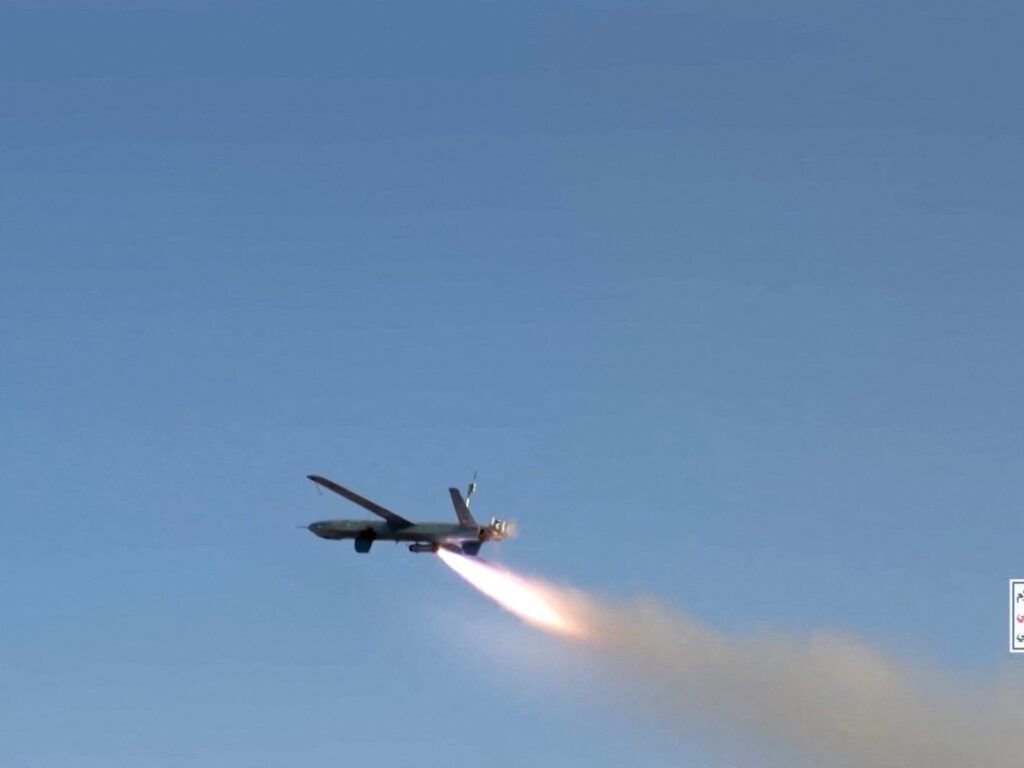
Drones, also referred to as unmanned aerial vehicles (UAVs), have become a pivotal element on the battlefield. Their use allows armed factions to conduct precision strikes, gather intelligence, and deliver payloads without putting pilots’ lives at risk. This technological advancement is changing the dynamics of combat in Yemen.
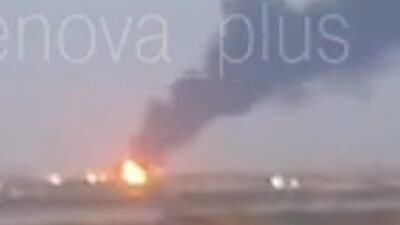
Houthi forces, who have been engaged in a bitter conflict with government troops, have showcased expanded drone capabilities. They have managed to carry out a series of drone strikes targeting critical infrastructure and military installations controlled by the government. These strikes often disrupt supply lines and communication networks, inflicting damage beyond traditional ground assaults.
On the other side, government forces have also adopted drone usage, deploying advanced UAVs to counter Houthi offensives. This includes reconnaissance missions as well as offensive strikes aimed at degrading the Houthis’ logistical capabilities. The government’s increasing drone arsenal reflects an adaptation to the changing nature of warfare, acknowledging the need to match the aerial reach of their adversaries.
The escalation of drone combat highlights the growing accessibility and sophistication of this technology in conflict zones. Unlike conventional weapons systems, drones can be relatively inexpensive and easier to deploy, making them attractive tools for non-state actors and government forces alike.
International observers note that the drone war in Yemen represents a broader trend in modern conflicts, where aerial drones are reshaping battlefield strategies globally. The conflict serves as a case study for how emerging military technologies can influence asymmetric warfare, complicating traditional defense postures and necessitating new countermeasures.
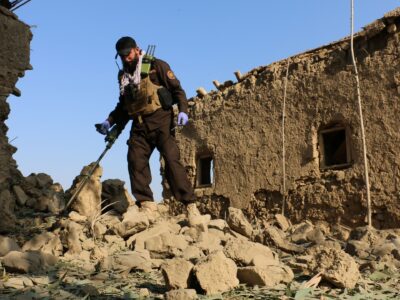
However, the increased use of drones also raises concerns about civilian casualties and the collateral damage of infrastructure. The network of drone attacks blurs the line between military and civilian zones, presenting challenges for international humanitarian law and complicating efforts for conflict resolution.
In addition to tactical advantages, drones provide psychological impacts by provoking fear and uncertainty among populations. The persistent drone presence over key areas generates a climate of unease, affecting daily life and social stability.
Moreover, the drone war illustrates the external dimension of Yemen’s conflict. Various foreign powers support different factions, and the proliferation of drone technology is linked to these broader geopolitical engagements. Supporters often supply drones or share technological expertise, further entrenching the conflict.
Efforts to control and regulate drone warfare in Yemen remain limited. Negotiations and peace talks have yet to address the growing drone threat adequately. Without effective agreements, the use of drones is poised to escalate, prolonging violence and complicating prospects for peace.
The shift toward drone-enabled combat demonstrates how the Yemen war is evolving with new technologies at its core. As both the Houthi forces and government troops continue to develop their aerial capabilities, the conflict underscores the urgent need for dialogue on the implications of drone warfare, not just in Yemen but worldwide.
In conclusion, the drone war in Yemen marks a crucial development in this long-standing conflict. It reflects the broader global trend of militaries and armed groups relying more on unmanned systems, bringing both tactical advantages and humanitarian challenges. The international community’s response will be crucial in shaping the future trajectory of such conflicts and the role drones play within them.