Skip to content
August 17, 2026
  • Facebook
  • Twitter
  • Instagram
  • Youtube
  • tiktok
MILLENNIUM NEWS 24/7

MILLENNIUM NEWS 24/7

Bridging The Community’s World Wide

  • Home
  • IP TV LIVE
  • U.S.News
  • LOCAL ELECTION
  • State News
    • Alabama
    • Alaska
    • Arizona
    • Arkansas
    • California
    • Colorado
    • Connecticut
    • Delaware
    • Florida
    • Georgia
    • Hawaii
    • Idaho
    • Illinois
    • Indiana
    • Iowa
    • Kansas
    • Kentucky
    • Louisiana
    • Maryland
    • Massachusetts
    • Michigan
    • Maine
    • Minnesota
    • Mississippi
    • Missouri
    • Montana
    • Nebraska
    • Nevada
    • New Hampshire
    • New Jersey
    • New Mexico
    • New York
    • North Carolina
    • North Dakota
    • Oregon
    • Pennsylvania
    • Rhode Island
    • South Carolina
    • South Dakota
    • Tennessee
    • Texas
    • Virginia
    • Washington
    • West Virginia
    • U.S. Virgin Islands
  • Politics
  • World News
  • Sports
  • Entertainment
  • Weather
  • Business
  • Health News
  • Urban Cultural Programs
  • ADVERTISEMENT
  • About Us
  • Contact us
Live TV

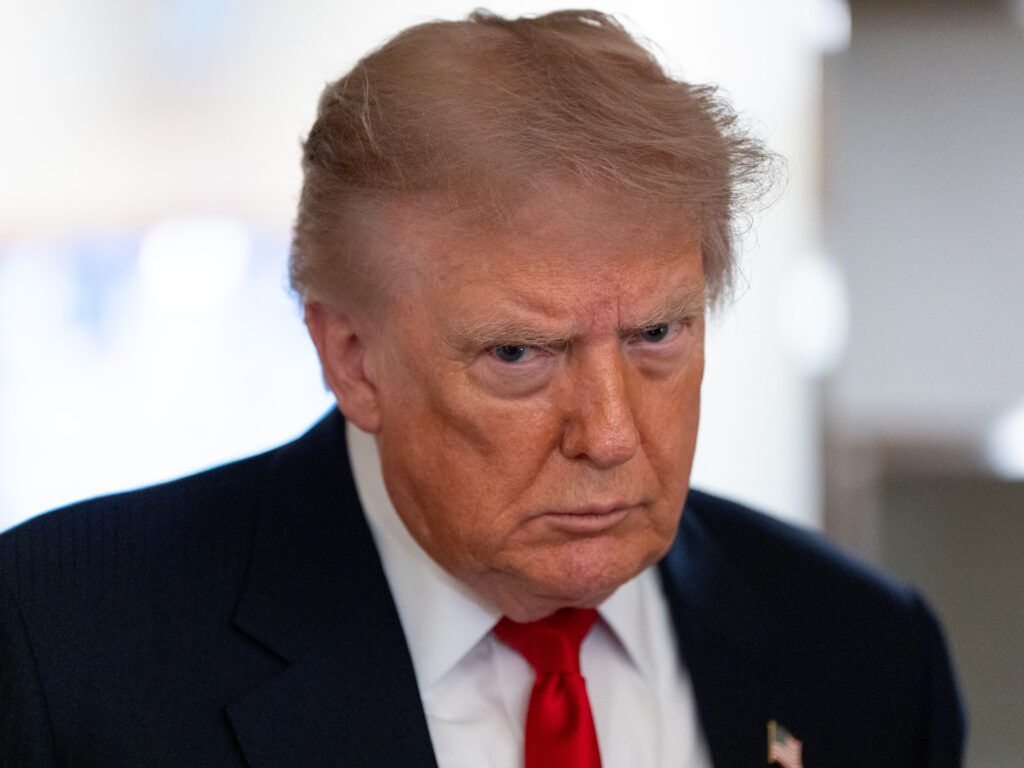
Trump Scales Down War Games with South Korea: Strategic Shifts and Global Implications

In a significant shift in U.S. military strategy, President Donald Trump has decided to scale down the joint war games conducted with South Korea. This move has captured international attention and sparked discussions on its broader implications for regional security, U.S.-South Korea relations, and the delicate balance in East Asia.

The decision comes amidst President Trump’s criticism of Seoul’s perceived reluctance to fully support his administration’s stance on Iran. Citing this lack of backing as a critical factor, Trump has re-evaluated the traditional military exercises that have been a cornerstone of the U.S.-South Korea alliance for decades.

Historically, the joint war games have served multiple purposes: they demonstrate the strength and readiness of the U.S.-South Korea alliance, act as a deterrent against North Korean aggression, and enable both militaries to coordinate closely in the event of conflict. Downsizing these exercises signals a potential recalibration of U.S. defense commitments in the region.

Adding a layer of complexity, Trump’s reportedly warm rapport with North Korean leader Kim Jong-un has influenced the decision. The president appears to prioritize diplomatic engagement and personal diplomacy, aiming to forge a new path that could reduce military tensions on the Korean Peninsula.

This development has drawn mixed reactions from various stakeholders. South Korean officials have expressed concern over the implications for national security, emphasizing the importance of strong joint military readiness. They worry that scaling down exercises might embolden North Korea or weaken the conventional deterrence mechanism.

From Washington’s perspective, the move may be seen as an attempt to leverage military posture to gain diplomatic concessions or to reorient U.S. foreign policy priorities. It also reflects the administration’s broader approach of recalibrating alliances and challenging traditional defense agreements that it views as burdensome or not directly serving American interests.

Analysts warn, however, that reducing the scale of war games could lead to unintended consequences. It might create gaps in military preparedness, reduce interoperability between U.S. and South Korean forces, and complicate responses to any potential provocations from the North.

The broader strategic context includes managing the fragile peace on the Korean Peninsula, which has been technically at war since the 1950-53 Korean War ended with an armistice, not a peace treaty. The ongoing threat from North Korea’s nuclear program remains a critical concern.

Furthermore, China’s role as a regional power adds another dimension. Beijing closely monitors U.S. military activities in the region and may interpret the scale-down as an opportunity to assert greater influence over Korean Peninsula affairs.

Japan, another key U.S. ally in the region, is also closely watching these developments with cautious interest, given its security concerns related to North Korean missile tests and regional stability.

For the Trump administration, the move signals a continued effort to reshape traditional U.S. defense relationships and strategy to align with its priorities. It reflects an emphasis on diplomatic engagement, renegotiating defense cost-sharing, and reassessing the traditional guarantees that the U.S. has maintained for its allies.

Ultimately, the scaling down of war games with South Korea is more than a military decision; it is a strategic message with implications for diplomacy, regional power dynamics, and the security architecture of East Asia.

Observers and policymakers globally will be watching closely to see how this adjustment unfolds and what it means for the future of peace and stability on the Korean Peninsula and beyond.


About Author

admin

See author's posts

Post navigation

Previous Yemen’s Drone War: Rivals Flex Growing Aerial Muscle
Next Will Europe Hear a Landmark Russian Climate Change Case?

Related Stories

Trump Hails New Mecca Security Pact Amid Shift in US Middle East Strategy

Trump Hails New Mecca Security Pact Amid Shift in US Middle East Strategy

Cameroon Clinches First-Ever WAFCON Title with a 3-0 Victory Over Malawi

Cameroon Clinches First-Ever WAFCON Title with a 3-0 Victory Over Malawi

Why Jared Kushner Met Hamas Leaders and What It Means for Trump’s Gaza Roadmap

Why Jared Kushner Met Hamas Leaders and What It Means for Trump’s Gaza Roadmap

Entertainment

The Trial of Duane ‘Keffe D’ Davis: Three Decades Since Tupac Shakur’s Death 1

The Trial of Duane ‘Keffe D’ Davis: Three Decades Since Tupac Shakur’s Death

Kennedy Center Votes to Restore Trump’s Name to Venue While Planning Extensive Renovations 2

Kennedy Center Votes to Restore Trump’s Name to Venue While Planning Extensive Renovations

Eurovision to Ban Countries at War from Hosting Contest: Implications Explored 3

Eurovision to Ban Countries at War from Hosting Contest: Implications Explored

South Koreans Beat the Heat with ‘Silent Disco’ Pool Party During Record Heat Wave 4

South Koreans Beat the Heat with ‘Silent Disco’ Pool Party During Record Heat Wave

The Concentration of Media Ownership in America: Six Giants Control 90% of the Market 5

The Concentration of Media Ownership in America: Six Giants Control 90% of the Market

The Tragic Death of Mexican TikToker Cesar Gastelum During Livestream 6

The Tragic Death of Mexican TikToker Cesar Gastelum During Livestream

Ariana Grande’s new video sets off talk about body and beauty standards — again 7

Ariana Grande’s new video sets off talk about body and beauty standards — again

Top News

Trump Hails New Mecca Security Pact Amid Shift in US Middle East Strategy

Trump Hails New Mecca Security Pact Amid Shift in US Middle East Strategy

Cameroon Clinches First-Ever WAFCON Title with a 3-0 Victory Over Malawi

Cameroon Clinches First-Ever WAFCON Title with a 3-0 Victory Over Malawi

Why Jared Kushner Met Hamas Leaders and What It Means for Trump’s Gaza Roadmap

Why Jared Kushner Met Hamas Leaders and What It Means for Trump’s Gaza Roadmap

Rising China-India Border Tensions Fuel Unrest in Arunachal Pradesh

Rising China-India Border Tensions Fuel Unrest in Arunachal Pradesh

  • Home
  • About Us
  • Facebook
  • Twitter
  • Instagram
  • Youtube
  • tiktok
Editor: Nur M Tofader, Office: 250 Park Avenue, 7th Floor, New York, NY 10177 & Tell: 718 893 0002 (Office), 7188441300, +1212 401 6266, e-mail: Info@millenniuamtv24.com, e-mail: Info@millenniuamnews24.com, Copyright © Millennium News 24/7 | DarkNews by AF themes.