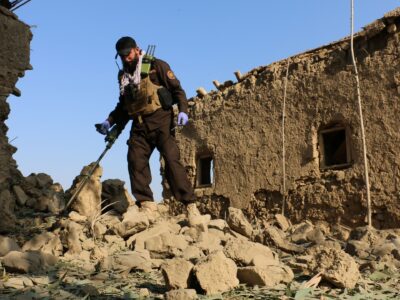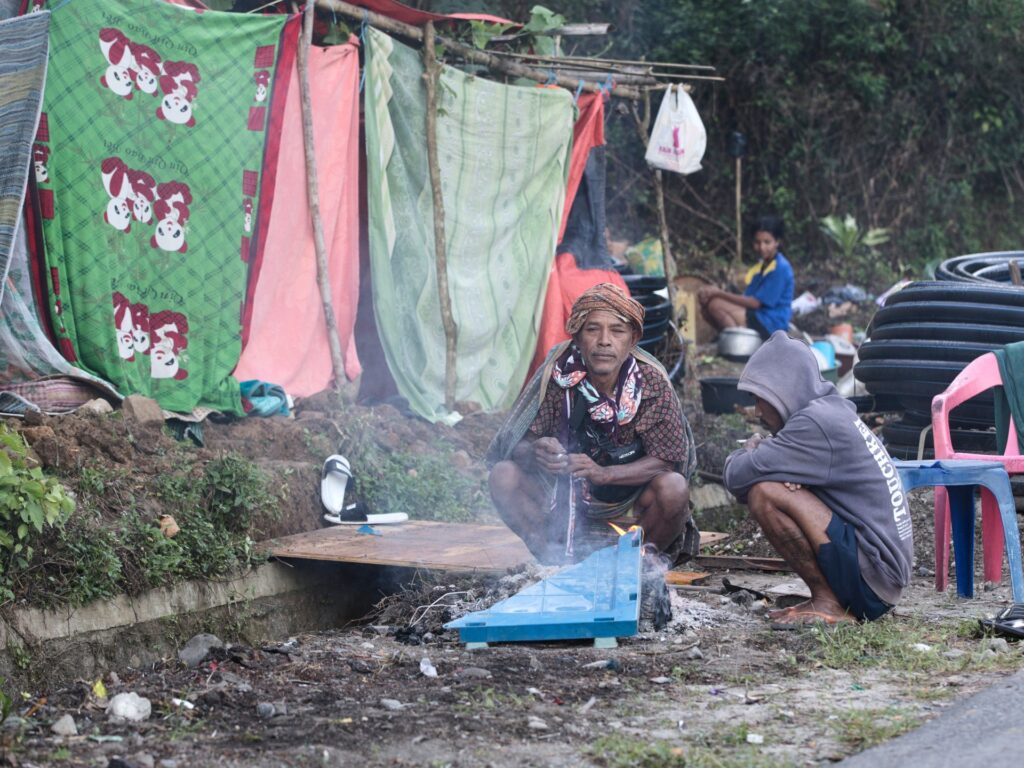
A powerful earthquake with a magnitude of 7.7 struck East Nusa Tenggara province in Indonesia on Saturday, causing widespread devastation and leaving thousands displaced. The disaster has resulted in significant damage to infrastructure, homes, and essential services, triggering an urgent humanitarian response.
Rescue teams have been dispatched to the hardest-hit areas to search for survivors and provide immediate assistance. Local authorities, along with national disaster management agencies, are coordinating efforts to deliver food, clean water, medical supplies, and temporary shelter to affected communities.
According to officials, many residents have been forced to flee their homes due to the destruction and ongoing risk of aftershocks, which continue to pose a threat to safety. Emergency shelters have been set up in safer locations to accommodate those displaced.
The earthquake struck with little warning, disrupting daily life and sparking widespread panic. Communication lines in some regions remain down, complicating rescue and relief operations. The scale of the devastation has overwhelmed local resources, prompting calls for international aid and support.
Volunteers and humanitarian organizations are working tirelessly alongside government agencies to assist survivors and help restore basic services. Medical teams are treating the injured, and psychological support is being provided to those traumatized by the event.
Officials have warned residents to remain vigilant as aftershocks continue, advising people to avoid unstable structures and stay informed through official channels. Efforts to assess the full extent of the damage are ongoing, with initial reports indicating significant destruction to infrastructure, including roads, bridges, and power lines.
The Indonesian government has pledged full support for the affected region, mobilizing resources to accelerate recovery and rehabilitation. President and key ministers have expressed their condolences to victims and urged solidarity and resilience among the population.
Community leaders and local officials are playing a critical role in coordinating relief efforts on the ground, ensuring that aid reaches those most in need. Public donations and contributions have started to pour in, demonstrating national and global solidarity in the face of tragedy.
As rescue operations proceed, attention is also turning to longer-term rebuilding plans. Experts highlight the importance of earthquake-resistant infrastructure and improved disaster preparedness to mitigate the impact of future seismic events in this vulnerable region.
The East Nusa Tenggara earthquake underscores Indonesia’s ongoing struggle with natural disasters, given its location on the Pacific Ring of Fire. Despite frequent seismic activity, the resilience and solidarity of the people continue to shine through in times of crisis.