A powerful magnitude 7.7 earthquake struck Indonesia’s East Nusa Tenggara province on Saturday, causing widespread destruction and leaving thousands of residents displaced. The seismic event triggered panic and devastation across the region, prompting urgent calls for aid and the mobilization of rescue operations.
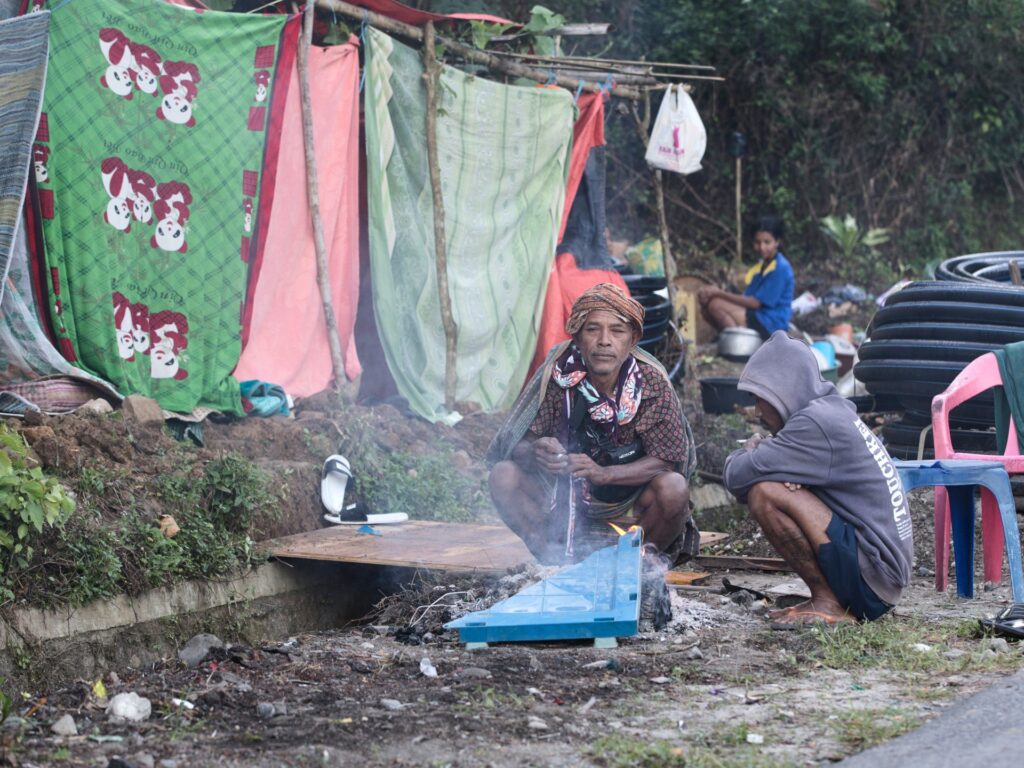
The quake, one of the strongest to hit the area in recent years, resulted in significant damage to infrastructure, homes, and public facilities. Many buildings crumbled or sustained severe structural damage, forcing thousands to evacuate their residences and seek temporary shelter. The government and humanitarian organizations have intensified efforts to provide relief to affected communities.
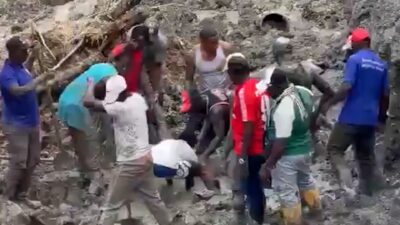
Rescue teams are tirelessly conducting search and rescue operations to locate and assist survivors trapped under rubble. Emergency medical services have been deployed to treat the injured, and efforts to secure essential supplies like food, water, and medical aid are underway. The Indonesian National Disaster Management Authority (BNPB) is coordinating with local officials and international partners to ensure prompt and effective disaster response.
Local residents have reported aftershocks following the initial quake, adding to the anxiety and complexity of rescue operations. Authorities have warned of the potential for additional seismic activity and advised people to stay alert and follow safety protocols.
Communication networks in some areas have been disrupted, complicating rescue and coordination efforts. Relief agencies are working on restoring connectivity to improve the flow of information and the distribution of aid.
Government officials have assured the public that all necessary resources will be mobilized to support those affected by the earthquake. Temporary shelters and relief centers have been set up to accommodate displaced families, with a focus on providing essential services and ensuring safety.
The earthquake has also drawn attention to the region’s vulnerability to natural disasters and the critical need for improved preparedness and infrastructure resilience. Experts emphasize the importance of community education on disaster response and the implementation of building codes that can withstand seismic events.
As the situation develops, the global community has expressed solidarity with Indonesia, with offers of assistance and support being received from various countries and international organizations.
The tragedy underscores the ongoing challenges faced by many regions in earthquake-prone areas, highlighting the importance of rapid and coordinated disaster response to save lives and aid recovery efforts. Relief operations continue as authorities and aid workers strive to reach all victims and provide the much-needed assistance to rebuild the shaken communities.