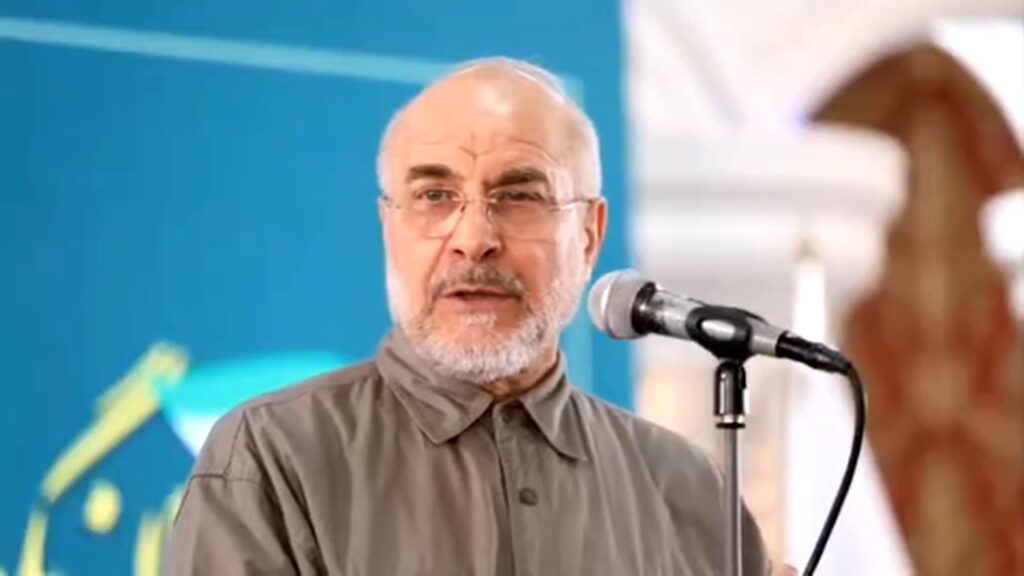
In a bold statement resonating through the corridors of power in the Middle East, Iran’s Parliament Speaker and top negotiator Mohammad Baqer Qalibaf has declared a definitive victory in what he describes as a war against the United States and Israel. This declaration underscores Iran’s stance on its regional and international conflicts, framing them not just as isolated skirmishes or political disputes, but as a broader contest of endurance and influence.
Mohammad Baqer Qalibaf, a pivotal figure in Iran’s political arena, has emphasized both a military and political triumph, signaling a dual aspect of Iran’s strategy and resilience. His announcement serves as a testament to the country’s persistence amid international pressures, sanctions, and diplomatic challenges.
The conflict backdrop includes multiple dimensions, ranging from proxy confrontations in neighboring countries to direct political and economic battles on the global stage. Iran’s relations with the United States and Israel have been fraught with tension for decades, with issues spanning nuclear development, regional dominance, and ideological clashes.
Qalibaf’s proclamation of victory reflects not only military successes but also the political leverage Iran claims to have gained. This encompasses negotiations, international discourse, and the ability to withstand intense diplomatic isolation.
The declaration is likely to have far-reaching implications for regional geopolitics. It could embolden Iran’s posture in ongoing conflicts and negotiations, potentially impacting peace efforts and alliances.
Critics and international observers may interpret this victory as a challenge to the global order, calling for careful diplomatic engagement to address the underlying issues that continue to fuel hostilities.
Qalibaf’s statement also has domestic significance, as it bolsters national pride and the leadership’s narrative of strength and sovereignty against foreign adversaries. It may influence public opinion and consolidate political support within Iran.
The international community is poised to respond to this declaration, weighing the consequences for security, diplomacy, and economic relations in the Middle East and beyond.
As tensions remain high, the statements by Iran’s top negotiator mark a critical moment in the ongoing saga of Middle Eastern politics, where declarations have the power to shape futures and redefine alliances.