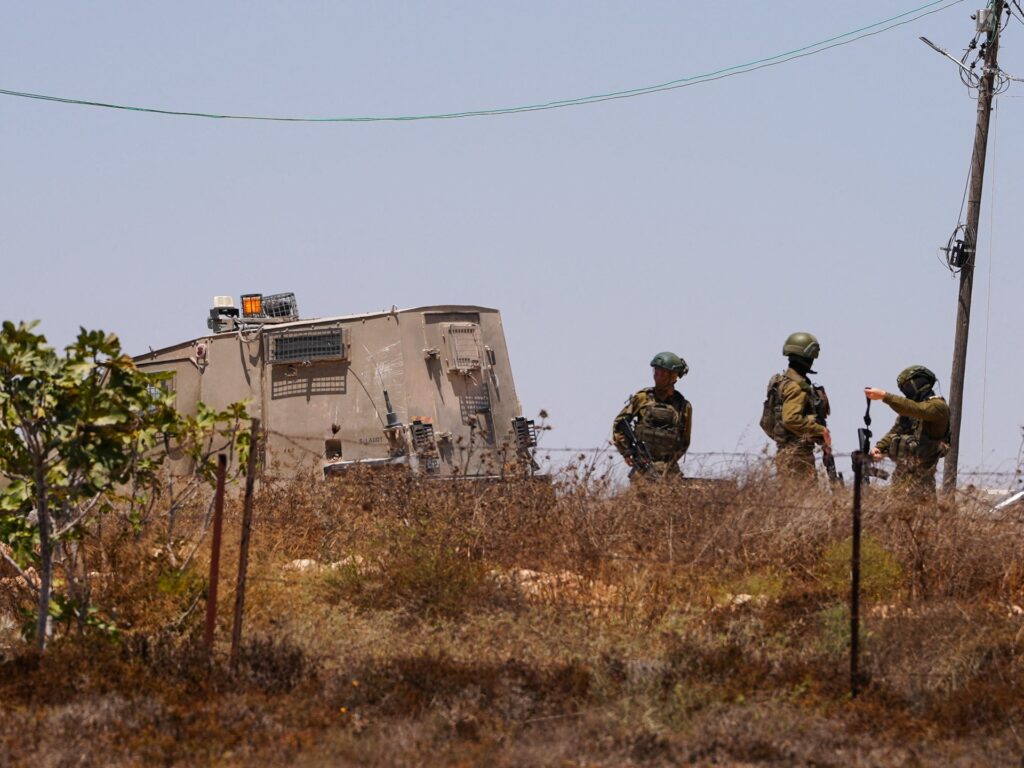
For the past eight days, the families of Qusra, a Palestinian village, have been trapped under a harrowing siege imposed by Israeli settlers and soldiers. This assault has cut off their access to basic necessities, notably water and humanitarian aid, rendering daily life an unbearable ordeal.
The residents of Qusra are enduring extreme hardship as Israeli settlers, backed by soldiers, blockade their village, obstructing both entry and exit routes. The siege has specifically targeted essential supplies, with water being severely restricted—a cornerstone of survival that once freely flowed is now a scarce commodity.
Natural water sources in the area have been deliberately blocked or contaminated, and the delivery of water tanks and other supplies from aid organizations has been systematically prevented. This combative stance by the settlers and military presence has escalated tensions, causing a profound humanitarian crisis.
Families report drinking saline or brackish water in desperation, a measure that poses significant health risks. The combination of heat, lack of clean water, and inadequate nutrition is weakening the community, especially children and the elderly.
Aid agencies have condemned the blockade, labeling it a violation of international humanitarian laws and a severe breach of human rights. According to reports, the targeted deprivation affects not only physical well-being but also the psychological and social fabric of the village.
The villagers have resorted to various coping mechanisms, including rationing water, harvesting limited rainwater, and calling on neighboring communities for any spare supplies. Despite these efforts, the blockade remains unlifted, and aid convoys still face denial or obstruction at checkpoints.
The reasons behind this siege are rooted in the broader Israeli-Palestinian conflict, where settlement expansion and control over land and resources frequently trigger confrontations. Qusra’s strategic location and its resilient community have made it a frequent flashpoint in these disputes.
Human rights organizations are advocating for immediate international intervention to end the siege and restore the villagers’ access to water, food, and medical aid. Calls for accountability and protection of civilians have intensified as the toll on Qusra continues to mount.
The ongoing siege has also drawn attention to the broader issue of settler violence and military complicity, which have been reported across various occupied territories. This pattern of restricting access to essential services as a means of exerting pressure is widely condemned but remains a persistent reality.
Locals express deep frustration and fear. Women and children suffer disproportionately, with schools reportedly closed due to lack of water and safety concerns. Medical cases requiring urgent attention go untreated amid the imposed isolation.
Despite international outcry and media coverage, little tangible action has been taken to lift the siege. The villagers’ plight remains urgent and emblematic of the broader human cost of the ongoing conflict.
In the meantime, solidarity efforts by activists and some humanitarian agencies try to provide what little help is possible, but these efforts are often hampered by military and settler interference.
Qusra residents continue to endure the siege with resilience, holding on to hope that international pressure and advocacy will bring relief. Their struggle highlights the critical need for sustainable peace and respect for human dignity in the region.
As this crisis unfolds, it underscores the vital importance of ensuring access to water—a fundamental human right—and calls attention to the devastating consequences of its denial in conflict zones worldwide.