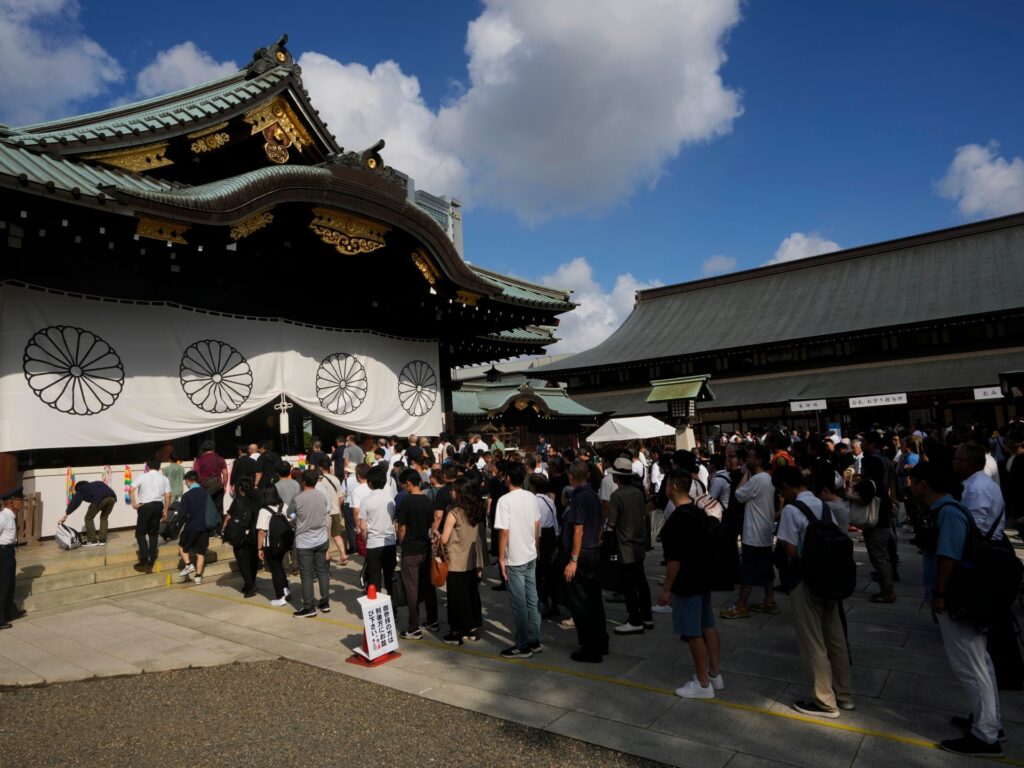
Tokyo’s Yasukuni Shrine stands as one of Japan’s most significant and contentious historical sites, deeply entwined with the country’s complex wartime past. Established in 1869, the shrine serves as a memorial dedicated to those who lost their lives in service of the Japanese Empire. Its enshrinement ritual honors approximately 2.5 million souls, including soldiers and civilians who died during conflicts involving Japan.
However, the shrine’s role in history becomes highly controversial due to its inclusion of Class A war criminals from World War II among the enshrined. These individuals were convicted for their actions during the war, which included planning and executing aggressive military campaigns that caused widespread suffering and atrocities across Asia. The shrine’s enshrinement of these figures has drawn sharp criticism both domestically and internationally, straining Japan’s diplomatic relationships with neighboring countries, especially China and South Korea.
Yasukuni Shrine is more than a war memorial; it also reflects the tensions in how Japan confronts and commemorates its imperial past. For many Japanese, the shrine is a place of mourning and patriotism, honoring those who sacrificed their lives. Annual visits by Japanese political leaders to the shrine spark protests and diplomatic protests from countries affected by Japan’s wartime aggression, as such visits are seen as an endorsement of Japan’s militaristic past.
The shrine houses the Yūshūkan Museum, which provides a perspective on Japan’s military history, but critics argue it presents a revisionist view that downplays wartime atrocities. Despite these controversies, Yasukuni Shrine continues to attract millions of visitors, embodying a complex intersection of memory, history, and nationalism.
In understanding Yasukuni Shrine, it is crucial to recognize its dual identity: a solemn site of remembrance for many Japanese families and a reminder of unresolved historical grievances for others across East Asia. Its enduring presence in Tokyo’s cultural and political landscape highlights the ongoing challenges Japan faces in addressing the legacy of its wartime actions while balancing national pride and international reconciliation.