In a significant escalation of the ongoing conflict, Ukraine has launched a mass drone attack targeting Moscow, marking one of the most direct assaults on the Russian capital. The operation involved more than 200 drones, aimed at key strategic points in the Moscow region. Russian authorities have reported that they successfully intercepted and downed 201 Ukrainian drones overnight, preventing any significant damage. The bold attack comes as Ukraine presses its counteroffensive efforts, signaling a new phase in the conflict that extends beyond frontline clashes to the heart of Russia itself.
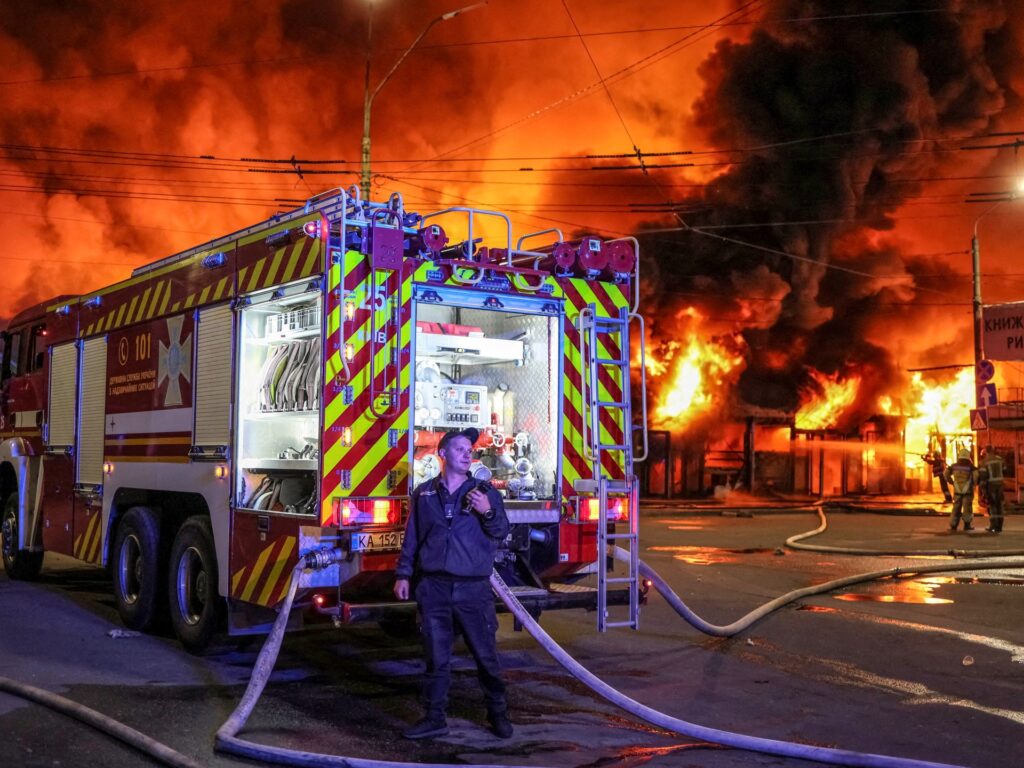
Meanwhile, in response, Russian forces have intensified their bombings over Kyiv, continuing their campaign of aerial strikes against Ukraine’s capital. The escalation underscores the increasing ferocity and geographical reach of the war, with both sides targeting critical urban centers and infrastructure.
Ukraine’s use of drones in large numbers reflects an evolving strategy to challenge Russian air defenses and strike high-value targets without risking manned aircraft. This tactic aims to disrupt command and control centers, communication lines, and military installations within Russia.
The Moscow region’s authorities confirmed the extensive interception efforts overnight, emphasizing the successful defense against the unprecedented scale of the drone incursion. Despite these claims, the psychological impact on Moscow’s population has been palpable, highlighting the conflict’s penetration into civilian life.
Russian bombings of Kyiv continue to cause widespread destruction and civilian casualties, with multiple districts affected by air raids. Ukrainian emergency services remain on high alert, and international organizations have condemned the targeting of civilian areas.
Analysts suggest that these developments indicate a possible shift in the conflict’s dynamics, with Ukraine seeking to apply pressure on Russian urban centers, potentially aiming to force negotiations or draw Russian resources away from frontline combat zones.
International reactions have varied, with some countries calling for immediate ceasefire talks to prevent further escalations and humanitarian crises, while others support Ukraine’s right to defend its sovereignty and respond to Russian aggression.
As the conflict persists, the use of drone technology and urban targeting represents a new chapter in modern warfare, raising concerns about the risks to civilian populations and the potential for expanded hostilities.
The situation remains fluid, with both parties preparing for possible retaliation and continued military operations. Observers continue to monitor developments closely, aware that this escalation could have significant implications for regional security and international relations.
In the coming days, diplomatic efforts may intensify to seek a resolution, but the immediate outlook suggests that combat operations will continue to escalate, with Moscow and Kyiv both at the center of the conflict.
This latest drone attack by Ukraine and the subsequent Russian bombardment of Kyiv underscore the deepening crisis and the urgent need for de-escalation and peace talks to avoid further humanitarian disasters and instability in the region.