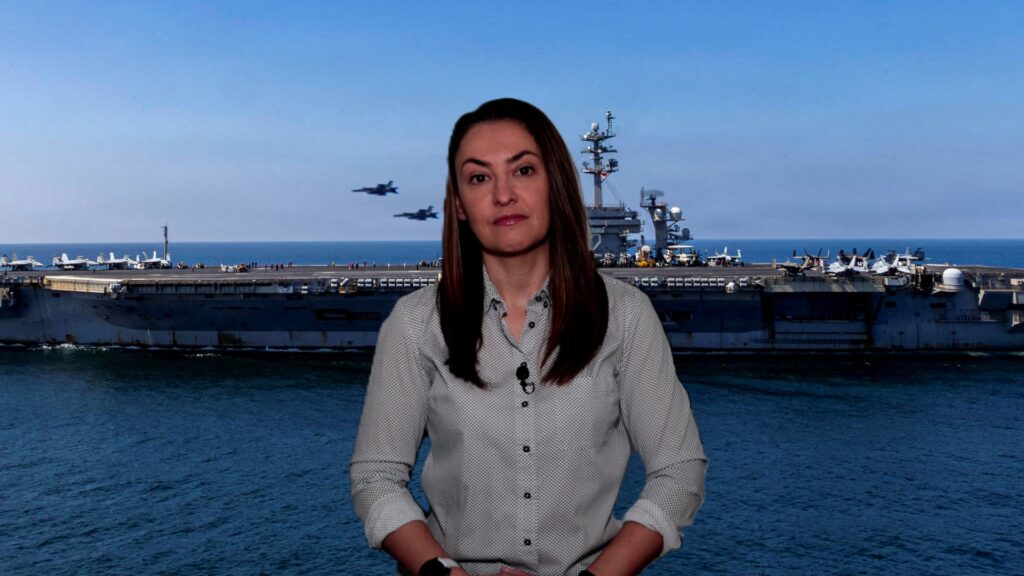
The USS Abraham Lincoln, a Nimitz-class aircraft carrier, has recently come under intense scrutiny amid reports of a severe crisis onboard. Contrary to the official narrative from the US President, who has downplayed these reports, multiple sources have highlighted dire conditions and a growing mental health crisis among the crew.
The USS Abraham Lincoln is one of the Navy’s premier vessels, tasked with crucial national defense and power projection roles. Typically, life aboard such a ship is challenging but well-regulated, with a structured routine designed to maintain both operational readiness and crew welfare. However, recent events have cast a shadow over the traditionally disciplined environment.
Reports from within the naval community and leaked accounts to the media suggest that the mental health issues on board have escalated significantly. Symptoms include increased stress, anxiety, depression, and several instances of suicidal ideation among sailors. These claims, though not officially confirmed, align with concerns about extended deployments, high operational tempo, and limited access to mental health resources.
The US President has publicly brushed off these reports, emphasizing confidence in the Navy’s command and control measures and highlighting ongoing efforts to support the crew’s well-being. Official statements assert that while challenges exist, the situation is under control and does not warrant alarm.
Experts in military mental health underscore that carrier deployments, especially during extended operations or crises, can exacerbate psychological stress. Isolation from family, demanding schedules, and the pressure of potential combat situations contribute to a volatile mental health environment. The situation aboard the USS Abraham Lincoln, if as severe as reported, would necessitate immediate intervention.
In response to the controversy, the Navy has initiated internal reviews and offered additional support programs, including counseling services and enhanced recreational activities aimed at mitigating mental health risks. It remains unclear how effective these measures have been or if further structural changes are needed.
Families of crew members have expressed concern and frustration over the perceived gap between official statements and the reality communicated by sailors. Advocacy groups are calling for increased transparency, better mental health services, and a reevaluation of deployment policies to safeguard servicemembers’ well-being.
The crisis aboard the USS Abraham Lincoln serves as a poignant reminder of the often overlooked human costs associated with military service. As the Navy works to address these challenges, the broader conversation about mental health in the armed forces gains renewed urgency. The situation encourages a closer examination of how military operations impact personnel beyond the battlefield and the importance of proactive, compassionate care.
This developing story continues to evolve as more information becomes available. The outcome of the Navy’s efforts to manage and rectify the crisis aboard the USS Abraham Lincoln will likely influence future policies on mental health support within the US military, ensuring that those who serve are adequately cared for in all circumstances.