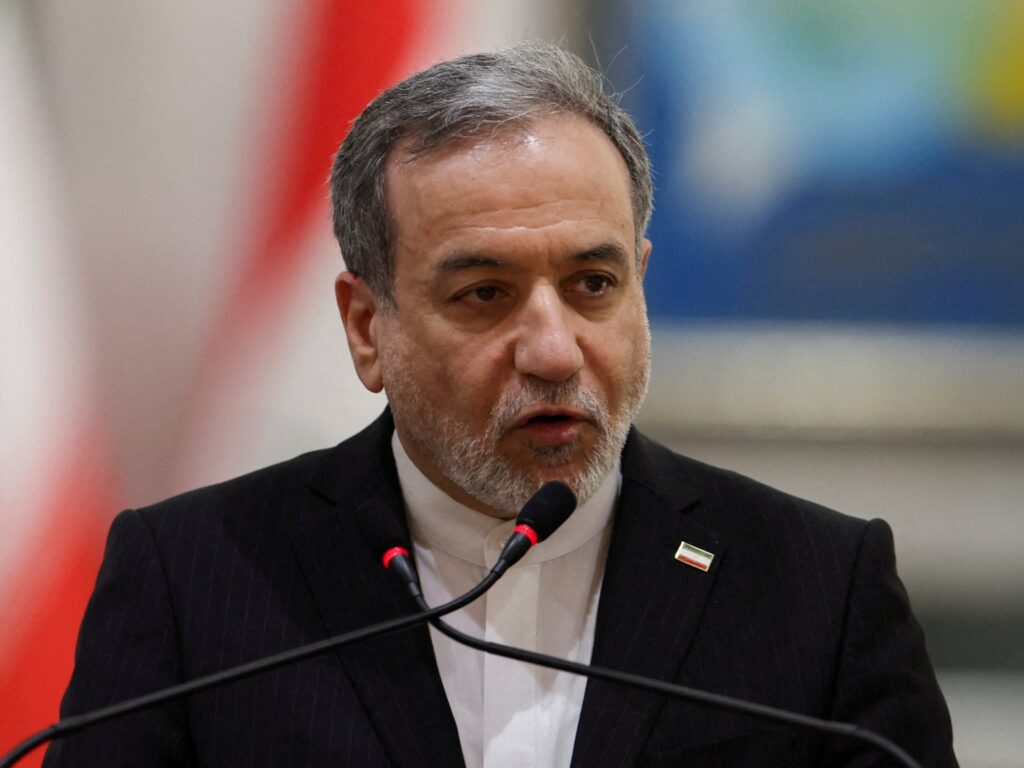
In recent developments concerning the diplomatic relations between Iran and the United States, Iran has declared that no decision has yet been made regarding a potential return to direct talks with the US. The announcement came from Iranian Foreign Minister Abbas Araghchi, who emphasized the complexities involved in the negotiation process. Araghchi highlighted that while discussions have been ongoing, particularly with Oman acting as an intermediary, the conditions set by the US remain a significant factor influencing Iran’s stance.
Minister Araghchi stated that Iran is actively cooperating with Oman to explore and establish viable routes for communication and negotiation. Oman has historically played a pivotal role in facilitating dialogues between Iran and other nations due to its strategic location and neutral position. However, the Foreign Minister pointed out that despite these efforts, the resumption of shipping activities through the Strait of Hormuz—a critical maritime passage for global oil supplies—hinges on the US meeting specific conditions set forth by Iran.
The Strait of Hormuz is a strategic chokepoint, where approximately 20% of the world’s petroleum passes through, making it a highly sensitive and crucial area for international maritime navigation and energy markets. Iran’s position underscores its leverage in regional geopolitics, especially concerning economic and security issues that are interlinked with diplomatic negotiations.
The US, under its policies and sanctions regime, has imposed strict conditions on Iran, especially relating to its nuclear program and regional activities. These conditions remain a sticking point for both countries, affecting the broader Middle East stability. The lack of a conclusive agreement or decision on returning to talks indicates ongoing challenges in bridging the gap between the two nations’ demands and expectations.
This situation comes against the backdrop of fluctuating tensions and intermittent negotiations regarding Iran’s nuclear ambitions. Previous talks aimed to reinstate or replace the Joint Comprehensive Plan of Action (JCPOA), commonly known as the Iran nuclear deal, which had initially involved multiple world powers. However, the US withdrawal from the agreement in 2018 led to increased sanctions and heightened tensions.
Iran’s insistence on the US fulfilling particular prerequisites before resuming normal shipping underscores a strategic approach to maximize its bargaining power. The cooperation with Oman is crucial as it symbolizes Iran’s preference for indirect negotiations, utilizing trusted regional partners rather than direct high-profile talks with the US.
Experts suggest that the ongoing uncertainty may prolong economic instability in the region and affect global energy prices due to the vital role of the Strait of Hormuz. It also illustrates the delicate balance Iran aims to maintain between asserting its sovereignty and negotiating terms that favor its national interests amidst international pressures.
In summary, the Iranian foreign ministry’s recent statements highlight a cautious but firm approach to any future negotiation process with the US. The emphasis on Oman’s role and conditions related to Hormuz shipping shed light on the broader strategic and diplomatic calculations Tehran is undertaking. Stakeholders and observers worldwide remain attentive to developments, understanding that any shifts in this dynamic will have significant implications for regional security and international diplomacy.